

Hey there! I'm an ACP for ceiling supplier, and I often get asked about the price range of ACP for ceilings. Well, let's dive right into it and break down the factors that affect the cost.
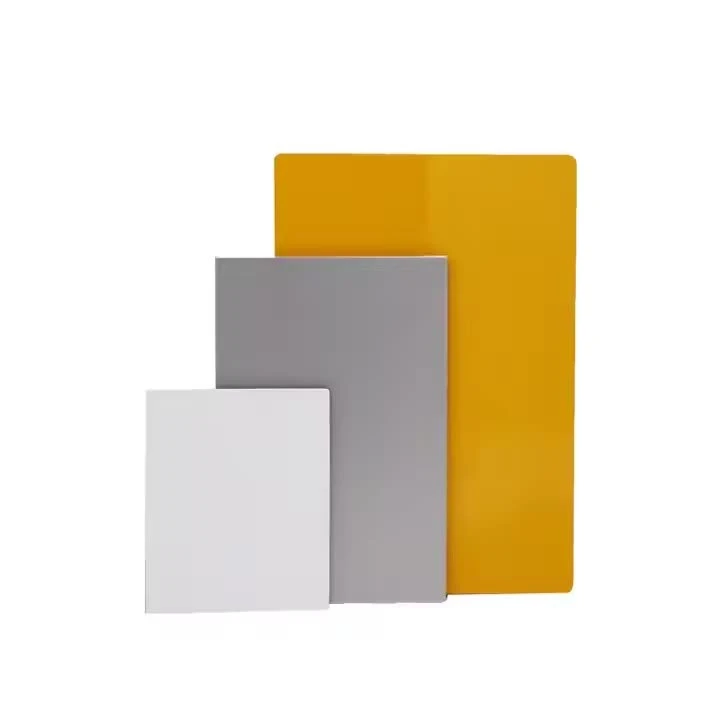
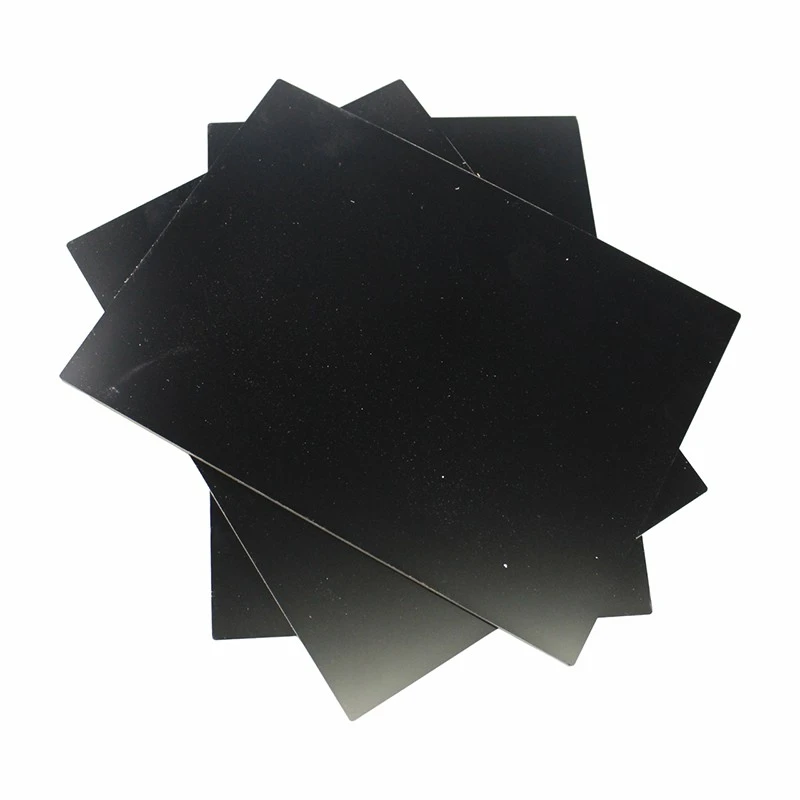
First off, what is ACP? Aluminum Composite Panel (ACP) is a popular choice for ceiling applications due to its lightweight, durability, and aesthetic appeal. It consists of two aluminum sheets bonded to a non - aluminum core, and it comes in a variety of finishes, thicknesses, and qualities.
Quality and Grade
One of the biggest factors influencing the price of ACP for ceilings is the quality and grade. There are different grades of ACP in the market. The lower - grade ACPs are usually more budget - friendly. These are often used in less - demanding applications where the look doesn't have to be top - notch, or where the panel won't be exposed to harsh conditions. They might have a thinner aluminum layer and a less - refined core material.
On the other hand, high - grade ACPs are made with better - quality aluminum, a more stable core, and advanced manufacturing processes. They offer better resistance to weather, scratches, and fading. High - grade ACPs are commonly used in commercial buildings, high - end residential projects, or areas with high foot traffic. The price of high - grade ACP can be significantly higher than that of lower - grade ones.
Thickness
The thickness of the ACP also plays a crucial role in determining its price. Thicker ACPs generally cost more. A thinner ACP, say around 3mm, is lighter and more flexible. It's suitable for small - scale projects or where weight is a concern. For example, in a home renovation project where you're just adding a decorative ceiling in a small room, a 3mm ACP might be a great choice.
However, if you're working on a large - scale commercial project or a ceiling that needs to withstand some mechanical stress, you'll probably want a thicker ACP, like 6mm or even 8mm. These thicker panels are more rigid and offer better structural support, but they come at a higher price.
Finish
The finish of the ACP can greatly impact its cost. There are several types of finishes available, each with its own unique look and price point.
- Plain Finish: This is the most basic finish. It's simple and cost - effective. A plain finish ACP has a smooth, untextured surface and comes in a variety of colors. It's a popular choice for many projects due to its affordability and versatility.
- Brushed Finish: A Brushed Aluminium Composite finish gives the ACP a textured, metallic look. It adds a touch of elegance and is often used in modern and contemporary designs. The brushing process requires additional manufacturing steps, which increases the cost compared to a plain finish.
- Wood - Grain Finish: If you want to achieve the look of natural wood without the maintenance issues, a wood - grain finish ACP is a great option. This finish is created through a printing process that mimics the look of real wood. It's more expensive than a plain finish because of the advanced printing technology involved.
- Stone - Look Finish: Similar to the wood - grain finish, the stone - look finish uses advanced printing techniques to replicate the appearance of natural stone. It's a high - end option and is quite expensive. It's commonly used in luxury projects to create a sophisticated and luxurious atmosphere.
Fire - Resistance
Fire safety is a major concern in many building projects, especially in commercial and public buildings. That's where Fireproof ACP and Fire Resistant Composite Panels come in.
ACP with fire - resistant properties is designed to slow down the spread of fire and reduce the risk of ignition. These panels are made with special core materials and additives that enhance their fire - resistance. The production of fire - resistant ACP involves more complex manufacturing processes and the use of specialized materials, so they are more expensive than regular ACPs. However, the added safety they provide is often worth the extra cost, especially in areas where fire codes are strict.
Market Conditions
Like any other product, the price of ACP for ceilings is also affected by market conditions. Fluctuations in the price of raw materials, such as aluminum and the core materials, can have a direct impact on the final cost of the ACP. If the price of aluminum goes up due to supply - and - demand imbalances or geopolitical factors, the price of ACP will likely increase as well.
Seasonal demand can also affect prices. For example, during the peak construction season, the demand for ACP is high, and suppliers might increase their prices slightly. On the other hand, during the off - season, you might be able to get a better deal as suppliers try to clear their inventory.
Price Range
So, what's the actual price range of ACP for ceilings? Well, it can vary widely depending on the factors we've discussed above.
On the low end, you can find basic, lower - grade, 3mm thick ACP with a plain finish for around $5 to $10 per square meter. These are suitable for small - scale, budget - conscious projects.
For mid - range ACP, say a 4mm or 5mm thick panel with a brushed or wood - grain finish, the price can range from $15 to $30 per square meter. This type of ACP is a good balance between quality and cost and is commonly used in many commercial and residential projects.
High - end, fire - resistant, 6mm or 8mm thick ACP with a stone - look finish can cost anywhere from $30 to $60 per square meter or even more. These are premium products that are used in luxury projects where quality and safety are of the utmost importance.
Conclusion
As an ACP for ceiling supplier, I understand that choosing the right ACP for your project can be a daunting task, especially when it comes to balancing quality and cost. But I'm here to help you make an informed decision. Whether you're working on a small home renovation or a large - scale commercial project, I can offer you a wide range of ACP options to suit your needs and budget.
If you're interested in purchasing ACP for your ceiling project, I'd love to have a chat with you. We can discuss your specific requirements, go over the different options available, and find the best solution for you. Just reach out, and let's start this exciting project together!
References
- Industry reports on aluminum composite panel market trends
- Manufacturer's specifications and price lists
- Construction industry standards and guidelines related to ACP use