

As a supplier of ACP sheets for kitchens, I often get asked whether these sheets are resistant to the chemicals commonly used in the kitchen. This is a crucial question for homeowners, interior designers, and contractors alike, as the durability and functionality of kitchen surfaces are of utmost importance. In this blog post, I will delve into the topic of ACP sheet chemical resistance, exploring the science behind it and providing practical insights for your kitchen projects.
Understanding ACP Sheets
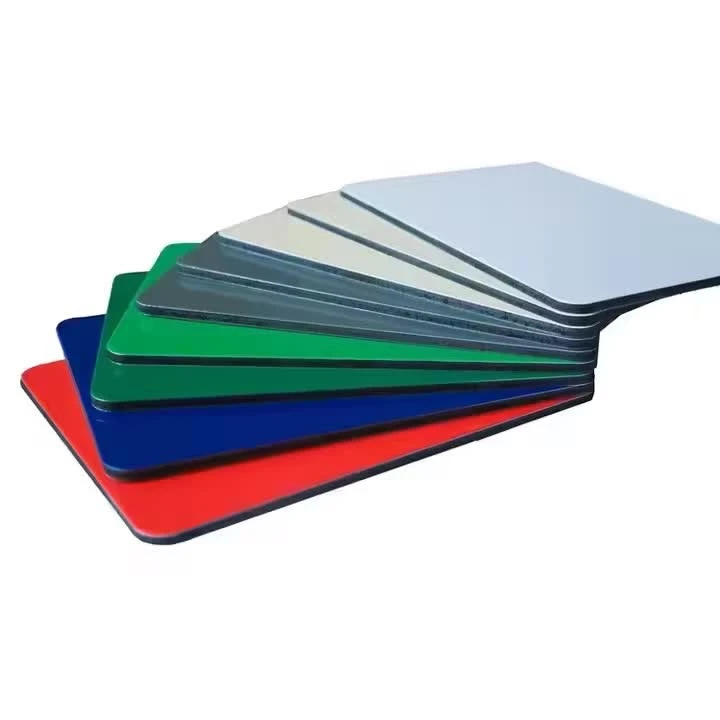
ACP, or Aluminum Composite Panel, consists of two thin aluminum sheets bonded to a non - aluminum core. These panels are known for their versatility, lightweight nature, and aesthetic appeal. They are widely used in various applications, including Aluminium ACP Board for exterior cladding, Fire Rated ACP Sheets for safety - critical areas, and ACP for Ceiling. In the kitchen, ACP sheets can be used for cabinet doors, backsplashes, and countertops.
Chemicals Commonly Found in the Kitchen
The kitchen is a place where a variety of chemicals are used on a daily basis. Cleaning agents are perhaps the most obvious ones. These can include dishwashing liquids, oven cleaners, degreasers, and surface disinfectants. Dishwashing liquids usually contain surfactants, enzymes, and sometimes bleach to break down grease and remove stains. Oven cleaners are often highly alkaline, with strong chemicals like sodium hydroxide to dissolve baked - on food and grease.
Food acids are another category of chemicals present in the kitchen. Citric acid in lemons and limes, acetic acid in vinegar, and lactic acid in dairy products can come into contact with the ACP sheets. Additionally, cooking oils and fats, which can oxidize over time and produce acidic by - products, are also common in the kitchen environment.
Chemical Resistance of ACP Sheets
The chemical resistance of ACP sheets depends on several factors, including the type of aluminum used, the composition of the core material, and the surface treatment applied.
Aluminum Component
Aluminum itself has a certain degree of chemical resistance. It forms a thin oxide layer on its surface when exposed to air, which acts as a protective barrier against mild chemicals. This oxide layer is stable in a wide range of pH levels, from slightly acidic to slightly alkaline. However, strong acids or alkalis can break down this oxide layer, leading to corrosion. For example, concentrated hydrochloric acid or sodium hydroxide solutions can react with aluminum, causing pitting and discoloration.
Core Material
The core material of ACP sheets can vary. Common core materials include polyethylene (PE), fire - retardant polyethylene (FR - PE), and mineral - filled cores. PE is a relatively inert polymer, resistant to many common kitchen chemicals. It does not react with mild acids, alkalis, or most cleaning agents. However, it can be softened or dissolved by some organic solvents. Fire - retardant cores may have different chemical properties due to the addition of fire - retardant additives. These additives can sometimes affect the overall chemical resistance of the panel.

Surface Treatment
The surface treatment of ACP sheets plays a vital role in their chemical resistance. Many ACP sheets are coated with a protective layer, such as a fluoropolymer coating. Fluoropolymer coatings are known for their excellent chemical resistance. They can withstand exposure to a wide range of chemicals, including strong acids, alkalis, and organic solvents. These coatings also have good weatherability and are resistant to UV radiation, which is important in a kitchen environment where the panels may be exposed to sunlight through windows.
Testing the Chemical Resistance of ACP Sheets
To ensure the quality and chemical resistance of our ACP sheets for kitchens, we conduct a series of tests. One common test is the immersion test. In this test, small samples of the ACP sheets are immersed in different chemical solutions for a specified period of time. The solutions can include diluted acids, alkalis, and common cleaning agents. After the immersion period, the samples are examined for any signs of damage, such as discoloration, swelling, or loss of adhesion.
Another test is the spot test. A small amount of the chemical is applied to the surface of the ACP sheet and left for a certain time. Then, the area is wiped clean, and the surface is inspected for any changes. These tests help us to identify the performance of our ACP sheets under different chemical conditions and make necessary adjustments to the manufacturing process if needed.
Practical Considerations for Using ACP Sheets in the Kitchen
When using ACP sheets in the kitchen, it is important to follow some best practices to maintain their chemical resistance.
Cleaning
Use mild cleaning agents whenever possible. A simple solution of water and a gentle dishwashing liquid is usually sufficient for daily cleaning. Avoid using abrasive cleaners or scrubbers, as these can scratch the surface of the ACP sheet, compromising the protective layer. If a stronger cleaner is needed, test it on a small, inconspicuous area first to ensure it does not damage the sheet.
Spill Management
Promptly clean up any spills, especially those from acids or alkalis. The longer a chemical is left on the surface, the greater the chance of damage. Blot the spill with a clean cloth rather than rubbing it, as rubbing can spread the chemical and increase the area of potential damage.
Avoiding Harsh Chemicals
Do not use oven cleaners or other highly alkaline or acidic chemicals directly on the ACP sheets. If you need to clean an area near the ACP surface with such chemicals, take precautions to protect the sheet, such as covering it with a plastic sheet.
Advantages of Using ACP Sheets in the Kitchen Despite Chemical Concerns
Despite the potential chemical challenges, ACP sheets offer several advantages for kitchen applications. They are lightweight, which makes them easy to handle during installation. Their smooth surface is easy to clean, and they come in a wide range of colors and finishes, allowing for a high degree of customization. Additionally, ACP sheets are relatively cost - effective compared to some other kitchen materials, such as natural stone or solid wood.
Conclusion
ACP sheets can be resistant to many of the chemicals commonly found in the kitchen, especially when they are properly manufactured with high - quality materials and appropriate surface treatments. However, it is important to be aware of their limitations and take proper care to ensure their long - term performance.
If you are considering using ACP sheets for your kitchen project, I encourage you to contact us for more information. We can provide you with detailed product specifications, test results, and advice on installation and maintenance. Our team of experts is ready to assist you in choosing the right ACP sheets for your specific needs. Whether you are a homeowner looking to renovate your kitchen or a contractor working on a large - scale project, we are here to help. Let's start a conversation about how our ACP sheets can transform your kitchen into a functional and beautiful space.
References
- ASTM International. Standard test methods for evaluating the chemical resistance of plastics.
- "Handbook of Polymers and Composites" by various authors, which provides in - depth information on the properties of polymers used in ACP sheets.
- Research papers on the corrosion resistance of aluminum and its alloys in different chemical environments.