

In the construction and manufacturing industries, Aluminium Paint Coil has gained significant popularity due to its aesthetic appeal, durability, and versatility. As a supplier of Aluminium Paint Coil, I have witnessed firsthand the increasing demand for this product. However, like any material, Aluminium Paint Coil comes with its own set of potential risks that need to be carefully considered. In this blog post, I will delve into these risks to help you make informed decisions when using this product.
1. Health Risks Associated with Aluminium Exposure
Aluminium is a naturally occurring element, but excessive exposure to it can pose health risks. When Aluminium Paint Coil is cut, sanded, or welded, fine aluminium dust can be released into the air. Inhalation of this dust over an extended period can lead to a condition known as aluminosis, which is a type of pneumoconiosis. Symptoms of aluminosis include coughing, shortness of breath, and reduced lung function.
Moreover, there is ongoing research into the potential link between aluminium exposure and neurodegenerative diseases such as Alzheimer's disease. Although the evidence is not conclusive, some studies have suggested that high levels of aluminium in the body may contribute to the development of these conditions. Workers who are regularly exposed to aluminium dust during the installation or processing of Aluminium Paint Coil may be at a higher risk.
To mitigate these health risks, it is essential to implement proper safety measures. Workers should wear appropriate personal protective equipment (PPE), such as respirators and dust goggles, when working with Aluminium Paint Coil. Adequate ventilation should also be provided in the work area to reduce the concentration of aluminium dust in the air.
2. Environmental Risks
The production and disposal of Aluminium Paint Coil can have a significant impact on the environment. The extraction of aluminium from bauxite ore is an energy-intensive process that requires large amounts of electricity. This energy consumption contributes to greenhouse gas emissions and climate change.
In addition, the paints and coatings used on Aluminium Paint Coil often contain volatile organic compounds (VOCs). These compounds can be released into the atmosphere during the painting process and contribute to air pollution. VOCs can react with other pollutants in the air to form ground-level ozone, which is a major component of smog and can have harmful effects on human health and the environment.
When Aluminium Paint Coil reaches the end of its life cycle, proper disposal is crucial. If not disposed of correctly, the paint and coating materials can leach into the soil and water, potentially contaminating groundwater and harming aquatic ecosystems. Recycling Aluminium Paint Coil is one way to reduce its environmental impact, as it requires less energy than producing new aluminium from raw materials.
3. Fire and Combustion Risks
Although Aluminium Paint Coil is generally considered to be a fire-resistant material, the paints and coatings used on the surface can increase the flammability of the coil under certain conditions. Some paints may contain combustible solvents or additives that can ignite when exposed to a heat source or an open flame.
In the event of a fire, the burning of Aluminium Paint Coil can release toxic fumes and gases, such as carbon monoxide and nitrogen oxides. These fumes can pose a serious threat to human health and can also contribute to the spread of the fire. It is important to ensure that Aluminium Paint Coil is installed and used in accordance with fire safety regulations. Fire barriers and insulation materials should be used in areas where there is a risk of fire to prevent the spread of flames and heat.
4. Corrosion and Degradation Risks
Despite its corrosion-resistant properties, Aluminium Paint Coil can still be susceptible to corrosion under certain environmental conditions. If the paint or coating on the coil is damaged or scratched, the underlying aluminium may be exposed to moisture and oxygen, which can lead to the formation of aluminium oxide (rust). Corrosion can weaken the structural integrity of the coil and reduce its lifespan.
In addition, exposure to harsh chemicals, such as acids and alkalis, can also cause the paint and coating on Aluminium Paint Coil to degrade. This can result in discoloration, peeling, and flaking of the paint, which not only affects the aesthetic appearance of the coil but also exposes the aluminium to further corrosion. Regular inspection and maintenance of Aluminium Paint Coil are essential to detect and address any signs of corrosion or degradation early on.
5. Compatibility Risks
When using Aluminium Paint Coil in combination with other materials, compatibility issues can arise. For example, if Aluminium Paint Coil is installed in contact with certain metals, such as steel or copper, galvanic corrosion can occur. Galvanic corrosion is an electrochemical process that occurs when two different metals are in contact with each other in the presence of an electrolyte, such as moisture. This can lead to accelerated corrosion of the aluminium coil and the other metal.
It is also important to ensure that the paints and coatings used on Aluminium Paint Coil are compatible with the adhesives, sealants, and other products that will be used in the installation process. Incompatible products can cause adhesion failure, which can result in the delamination of the paint or coating from the coil.
Conclusion
While Aluminium Paint Coil offers many advantages in terms of aesthetics, durability, and versatility, it is important to be aware of the potential risks associated with its use. By understanding these risks and taking appropriate measures to mitigate them, you can ensure the safe and effective use of Aluminium Paint Coil in your projects.

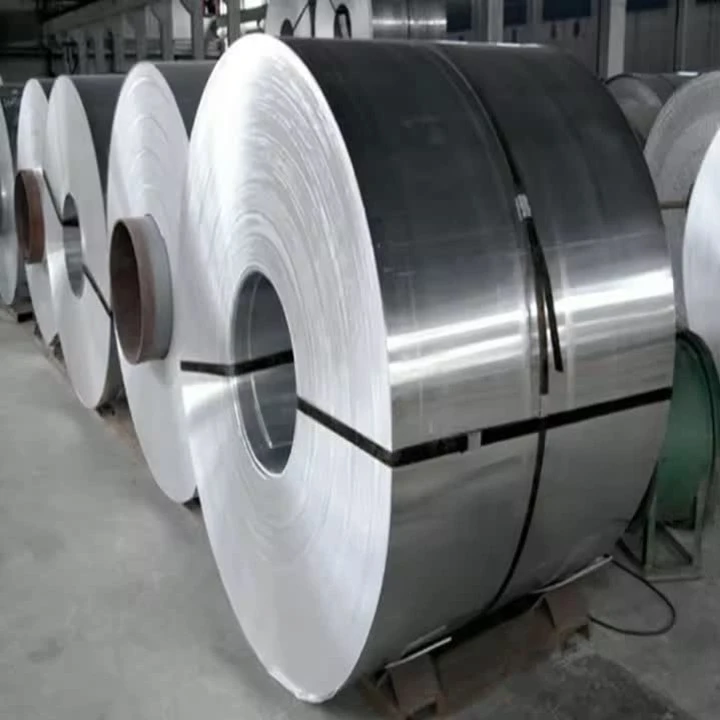
As a supplier of Aluminium Paint Coil, Prefinished Aluminum Coils, and Aluminum Lacquered Coil, I am committed to providing high-quality products and ensuring the safety of our customers. If you have any questions or concerns about the potential risks of using Aluminium Paint Coil, or if you are interested in purchasing our products, please feel free to contact us for more information. We look forward to discussing your specific needs and helping you find the best solutions for your projects.
References
- "Occupational Exposure to Aluminium and Its Compounds." World Health Organization.
- "Environmental Impact of Aluminium Production." International Aluminium Institute.
- "Fire Safety Considerations for Building Materials." National Fire Protection Association.
- "Corrosion of Aluminium and Its Alloys." ASM International.