


Why Choose Us
Our Product
We offer a variety of products, including B1 fireproof aluminum composite panels, wooden aluminum composite panels, mirror aluminum composite panels, 3D aluminum composite panels, PE/PVDF coated aluminum composite panels, aluminum coils, and aluminum honeycomb panels.
Our Certificates
We hold CE and EN13501 certifications.
Product Applications
Our products are suitable for building exterior walls.
Our Services
We help you determine the quantity, style, and delivery time of your order. Our team provides efficient and high-quality service, ensuring strict quality control at every stage. We guarantee timely delivery according to our contract.

Perforated ACP sheet is a highly innovative building material that is highly respected in modern architectural decoration.

Mirror composite panel is a highly innovative building material that stands out in the market for its excellent performance and beautiful appearance.

Perforated Aluminium Composite Panel
Perforated aluminium composite panels are an innovative building material that are highly valued in modern building decoration for their unique design and outstanding performance.

PVDF coating ACP is a highly competitive building material that is highly favored in modern architectural decoration due to its multiple advantages.
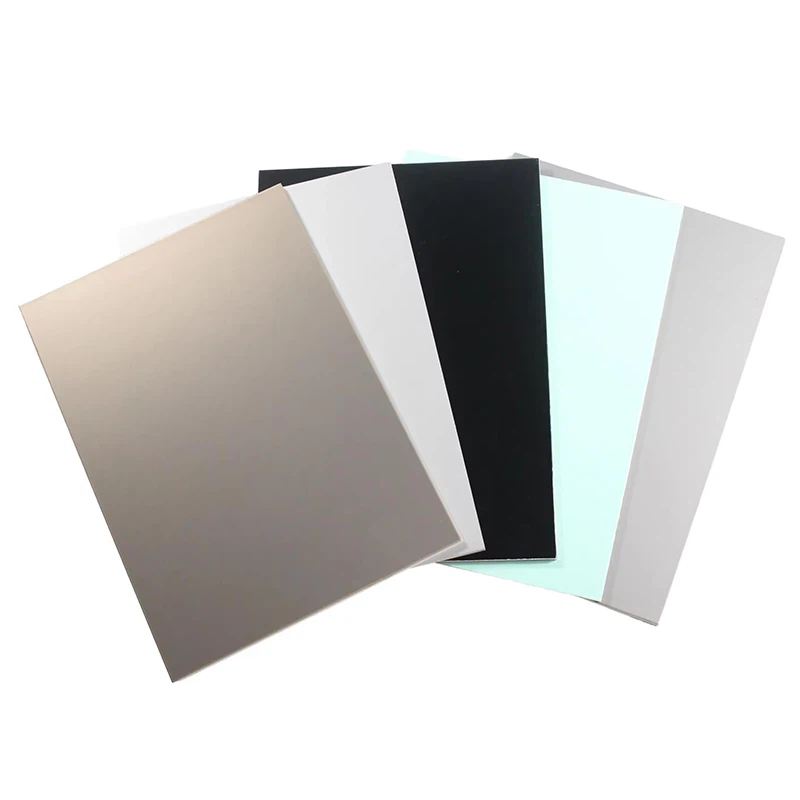
PVDF Coating Aluminum Composite Panel
PVDF coating aluminum composite panel is an excellent building material that is widely used in modern architectural decoration with its multiple advantages. The core of this board is two layers of high-strength aluminum plates with a plastic core sandwiched in between.
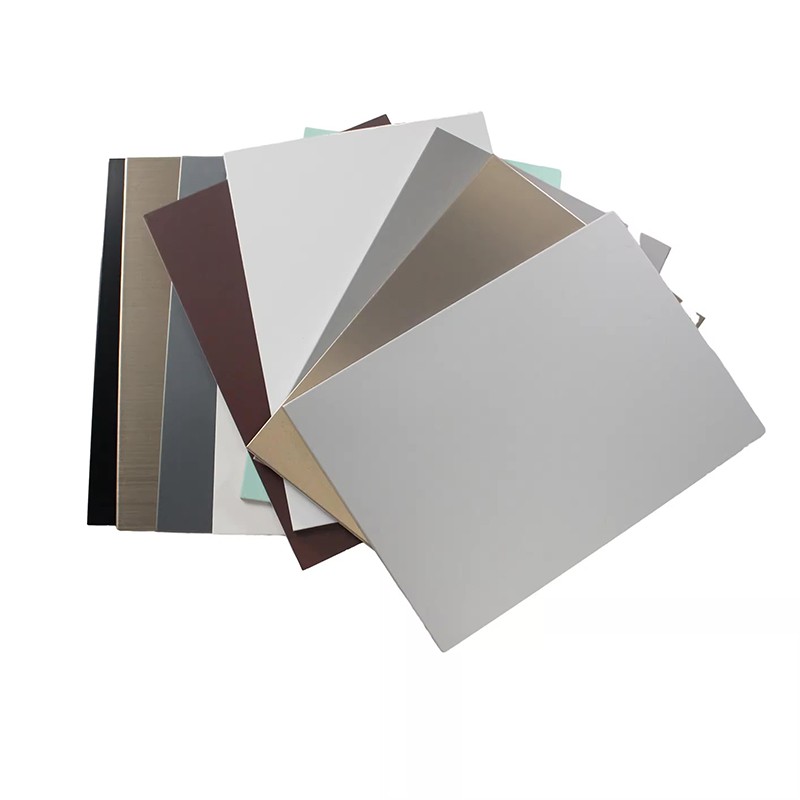
Mirror Aluminium Composite Panel
Mirror aluminium composite panels are a high-performance building material that is highly regarded in architectural decoration for its outstanding aesthetics and functional properties.
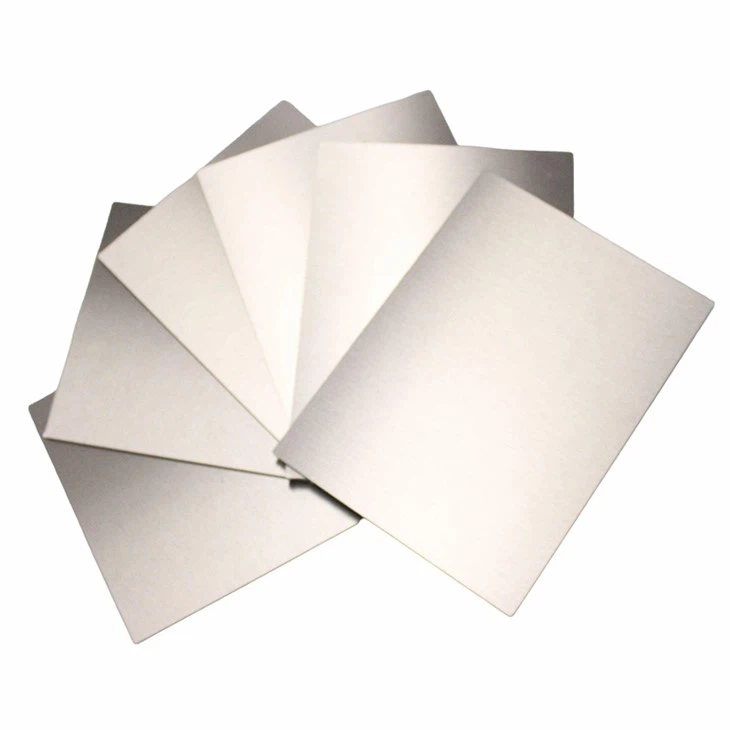
Mirror Aluminum Composite Panel
Mirror aluminum composite panel is a high-performance building material, and its unique mirror effect is popular in modern architectural decoration. One of its main advantages is its excellent aesthetics.

Fire Rated ACP is a modern building material that is highly favored in the field of building decoration for its many advantages. First of all, this material greatly facilitates the installation process due to its lightness and high strength.

Fire rated acp sheets are a modern building material popular in the construction sector due to their exceptional performance and versatility. It has many advantages, the first of which is its fire resistance.
What is Fire Resistant Composite Panels?
Fire resistant composite panels are engineered materials designed to withstand high temperatures and resist spreading fire. These panels consist of multiple layers, typically combining a core material with one or more face sheets, each selected for their unique properties. The core can be made from materials such as gypsum, rock wool, or phenolic resins, which offer excellent heat resistance and insulating properties. Face sheets, often made from metal or fiber-reinforced polymers, provide additional strength and durability.
What Are The Advantages Of Fire Resistant Composite Panels?
Moisture-Proof
The most worried thing about the bathroom is humidity, especially in the southern weather where it rains a lot. In addition, if the ventilation effect in the bathroom is poor, it is easy to get damp, which will breed bacteria, which will affect the furniture and health to a certain extent. If you choose a fire-proof conformal board, it can have a moisture-proof effect.
Durable
When people choose decoration materials, they must first consider its practicality. If it is strong and durable, this material will be favored by everyone. When decorating the bathroom, you can choose to use fire-resistant composite panels. This material is of good quality, strong and durable, so it is very popular among the decoration materials.
Easy to take care of
If the fireproof composite board is used in the bathroom space, it is convenient for people to take care of, especially after the bath, sometimes water will be sprayed on it, and it can be dried directly. If you choose other materials for decoration, some materials are more troublesome to maintain, so the materials are not practical.

Our recent fire test on aluminium composite panels proved successful with the protection of our water-based, fire-resistant coating. The first test piece, held in a vice with 2 pieces of softwood on the back, tested the integrity of the composite panel. A bench test using a triple-headed gas burning torch over the aluminium composite panel heated at 700oC. The panel continued to burn for 60 minutes in total. The flames did not ignite the core, and therefore the wood samples remained intact and unburnt. A few layers of fire-resistant coating successfully protected the composite panel.
The second fire testing of aluminium composite consisted of a second panel sample, coated in fire-resistant paint and placed in the furnace. Using 13mm plasterboard pads on the edges, thus allowing cold air to pass and flames from the furnace to breakthrough. The total duration of this test was 36 minutes.
Coated panels provide at least 45 minutes of fire integrity from both sides. This gives ample time for the occupants to evacuate the building and also for fire rescue services to arrive on the scene.
The aluminium remained in the furnace for a further 30 minutes, thus exposed to heat for 50 minutes in total. When tapped with tools, the aluminium face remained rigid and intact.
Anti Fire Aluminum Composite Panels Market Size
A significant driver in the Anti Fire Aluminum Composite Panels market is the stringent implementation of fire safety regulations in the construction industry worldwide. In the wake of several high-profile building fires, governments and regulatory bodies have tightened building codes and standards, particularly concerning the fire performance of facade materials. This regulatory push has led to increased adoption of fire-resistant materials in building construction, with anti-fire aluminum composite panels emerging as a preferred solution. These panels offer a balance of fire resistance, structural integrity, and aestheticversatility,making them attractive to architects and builders. The growing awareness among building owners and occupants about fire safety has also contributed to the demand for these panels.
Additionally, the insurance industry's emphasis on fire-resistant construction materials to mitigate risks has further boosted the market. The trend towards sustainable urban development, which often involves the construction of high- rise buildings, has increased the need for reliable fire-resistant cladding solutions. As cities continue to grow vertically and building designs become more complex, the demand for advanced fire safety materials like anti-fire aluminum composite panels is expected to remain strong, driving market growth.
A significant restraint in the Anti Fire Aluminum Composite Panels market is the high initial cost associated with these advanced materials compared to traditional building cladding options.The incorporation of fire-resistant core materials and the complex manufacturing process contribute to the higher price point of these panels. This cost factor can be a deterrent for budget-conscious projects,particularly in price-sensitive markets or developing regions. Additionally, the installation of anti-fire aluminum composite panels often requires specialized skills and techniques, which can further increase overall project costs. The market also faces challenges from the development of alternative fire-resistant materials that may offer similar performance at potentially lower costs.
There is ongoing debate and scrutiny regarding the long-term performance and reliability of different types of fire-resistant cladding materials, which can create uncertainty in the market.Retrofitting existing buildings with anti-fire panels can be technically challenging and expensive, limiting market growth in the renovation sector.Furthermore, the environmental impact of producing and disposing of these composite materials is a growing concern, as sustainability becomes an increasingly important factor in construction material selection. These factors collectively create obstacles for the Anti Fire Aluminum Composite Panels market, necessitating ongoing efforts in cost reduction, performance improvement, and addressing sustainability concerns to maintain and expand market share.
A significant restraint in the Anti Fire Aluminum Composite Panels market is the high initial cost associated with these advanced materials compared to traditional building cladding options. The incorporation of fire-resistant core materials and the complex manufacturing process contribute to the higher price point of these panels. This cost factor can be a deterrent for budget-conscious projects,particularly in price-sensitive markets or developing regions. Additionally, the installation of anti-fire aluminum composite panels often requires specialized skills and techniques, which can further increase overall project costs.
There is ongoing debate and scrutiny regarding the long-term performance and reliability of different types of fire-resistant cladding materials, which can create uncertainty in the market. Retrofitting existing buildings with anti-fire panels can be technically challenging and expensive,limiting market growth in the renovation sector. Furthermore, the environmental impact of producing and disposing of these composite materials is a growing concern, as sustainability becomes an increasingly important factor in construction material selection.These factors collectively create obstacles for the Anti Fire Aluminum Composite Panels market, necessitating ongoing efforts in cost reduction,performance improvement, and addressing sustainability concerns to maintain and expand market share.
Why Fire Resistant Composite Panels Are a Must
While some clients may choose to go for non-fire-rated aluminum composite panels to reduce costs, it is important to understand that this decision can compromise the safety of the building and its occupants. Here are some reasons why non-fire-rated aluminum composite panels are not a good choice for tower construction:
Increased Fire Hazard
Non-fire-rated aluminum composite panels do not have the same level of fire resistance as fire-rated panels. In case of a fire outbreak, non-fire-rated panels can quickly catch fire and contribute to the spread of the fire. This can increase the fire hazard and put the building and its occupants at greater risk.
Non-Compliance with Building Codes and Regulations
Using non-fire-rated aluminum composite panels in tower construction may not comply with building codes and regulations. In many countries, the use of fire-rated materials is mandatory in high-rise buildings, including aluminum composite panels. Failure to comply with building codes and regulations can result in fines, legal liabilities, and reputational damage.
Compromised Safety for Occupants
The safety of the occupants should be a top priority in any construction project. Using non-fire-rated aluminum composite panels can compromise the safety of the building's occupants in case of a fire. Non-fire-rated panels can contribute to the spread of fire, making it more difficult for occupants to evacuate the building safely.
Increased Property Damage
Non-fire-rated aluminum composite panels can also increase property damage in the event of a fire. These panels can catch fire quickly and contribute to the spread of fire, leading to greater property damage. This can cause higher costs for repairs and rebuilding, as well as longer downtimes for businesses and tenants.
Our Factory
The Jinxiang aluminum composite panel (also call ACP or ACM) is made of high quality and strictly chosen materials, such as DuPont adhesive polymer membrane with 2 layers of virgin aluminum skin at polyethylene (PE) core or fire retardant(FR) core.
FAQ
Hot Tags: fire resistant composite panels, China fire resistant composite panels manufacturers, hotel building panel, specifying aluminum composite panels, labeling of aluminum composite panels, 3mm acm sheet, panel production, acp panel board price


