

Hey there! As an aluminum coil supplier, I've gotten tons of questions from clients about the flexibility limit of aluminum coils. It's a super important topic, especially for those who are looking to use aluminum coils in various applications. So, I thought I'd sit down and write this blog to share what I know.
First off, let's talk about what flexibility means when it comes to aluminum coils. Flexibility refers to the ability of the aluminum coil to bend or deform without breaking. This is crucial because in many industries, like construction, automotive, and electronics, aluminum coils need to be shaped into different forms to fit specific requirements.
The flexibility of aluminum coils is mainly determined by a few key factors. One of the most important ones is the alloy composition. Different aluminum alloys have different levels of flexibility. For example, 1xxx series aluminum alloys, which are pure aluminum, are generally more flexible compared to 7xxx series alloys, which are high-strength alloys with a lot of other elements added. The more elements you add to the aluminum, the stiffer and less flexible it tends to become.
Another factor is the temper of the aluminum coil. Temper refers to the heat treatment and mechanical processing that the aluminum has undergone. For instance, an aluminum coil with an O temper (fully annealed) is very soft and flexible. On the other hand, a coil with a T6 temper (solution heat-treated and artificially aged) is much harder and less flexible. So, if you need a highly flexible coil, you'd probably want to go for an O-tempered one.
The thickness of the aluminum coil also plays a big role in its flexibility. Thinner coils are generally more flexible than thicker ones. This is because it's easier to bend a thin piece of material than a thick one. However, you also need to consider the strength requirements of your application. If you use a coil that's too thin, it might not be strong enough to withstand the forces it will be subjected to.
Now, let's get into the actual flexibility limit. Determining the exact flexibility limit is a bit tricky because it depends on so many factors, as I mentioned earlier. But in general, we can use some industry standards and testing methods to get an idea.
One common way to test the flexibility of an aluminum coil is the bend test. In a bend test, a sample of the aluminum coil is bent to a certain angle at a specific radius. The test is repeated with different angles and radii until the coil cracks or breaks. The maximum angle and minimum radius at which the coil can be bent without failure give us an indication of its flexibility limit.
For most common aluminum alloys used in general applications, they can usually be bent to an angle of around 180 degrees with a relatively small bend radius. For example, a 1xxx series O-tempered aluminum coil with a thickness of around 0.5 mm can often be bent into a tight U-shape without any issues. However, if you try to bend a thicker 7xxx series T6-tempered coil to the same angle and radius, it's likely to crack.
In the construction industry, flexibility is crucial for applications like roofing and siding. Paint Aluminum Coil and Pre Painted Aluminium Coil are often used in these applications. They need to be flexible enough to be shaped to fit the contours of the building. For example, when installing a curved roof, the aluminum coil needs to be bent smoothly without any visible cracks or damage.
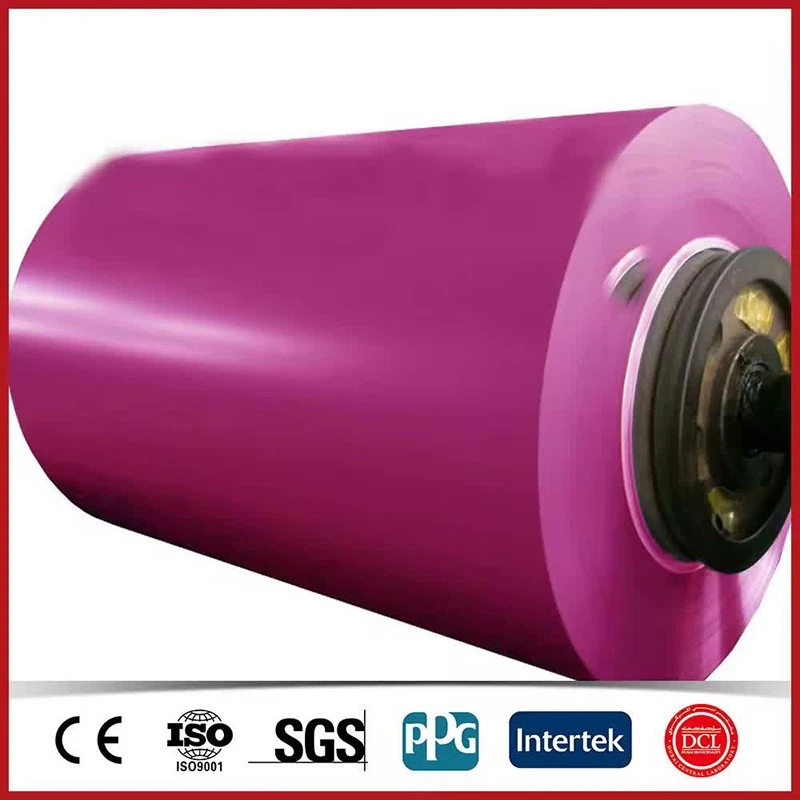
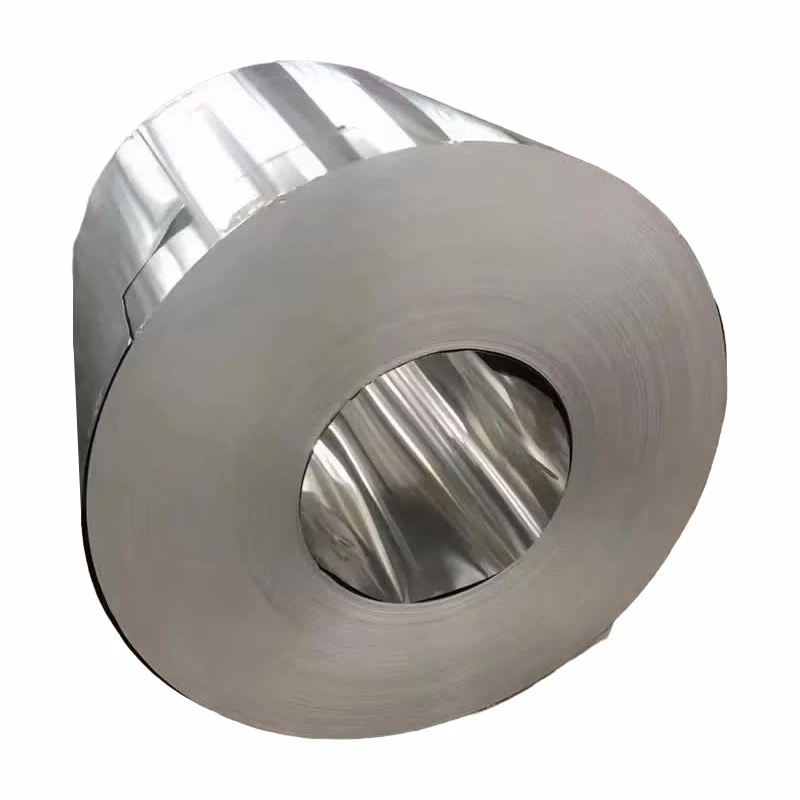
In the automotive industry, aluminum coils are used for various parts, such as body panels and heat exchangers. Color Coating Aluminum Coil is popular for body panels as it not only provides flexibility but also a nice appearance. The flexibility of the coil allows it to be formed into complex shapes to meet the design requirements of modern cars.
So, how do you choose the right aluminum coil with the appropriate flexibility for your application? First, you need to clearly define your requirements. Think about the shape you need to bend the coil into, the forces it will be subjected to, and the environmental conditions it will be exposed to. Then, consult with your aluminum coil supplier. We can help you select the right alloy, temper, and thickness based on your specific needs.
As an aluminum coil supplier, I've seen all sorts of projects, from small DIY home improvement jobs to large-scale industrial construction. And I can tell you that getting the flexibility right is key to the success of these projects. If you choose a coil that's too rigid, it won't be able to be shaped properly, and you'll end up with a subpar result. On the other hand, if you choose a coil that's too flexible, it might not have the strength to hold up over time.
If you're in the market for aluminum coils and have questions about flexibility or any other aspect, don't hesitate to reach out. I'm here to help you find the perfect solution for your project. Whether you're a contractor, an engineer, or a DIY enthusiast, I've got the knowledge and experience to guide you through the selection process.
In conclusion, the flexibility limit of aluminum coils is influenced by alloy composition, temper, and thickness. By understanding these factors and using appropriate testing methods, you can determine the right coil for your specific application. And as your trusted aluminum coil supplier, I'm committed to providing you with high-quality coils that meet your needs. So, if you're interested in purchasing aluminum coils, let's start a conversation and see how we can work together to make your project a success.
References
- Aluminum Association. (2023). Aluminum Design Manual.
- ASTM International. (2023). Standard Test Methods for Bend Testing of Metallic Materials.