

Hey there! I'm a supplier of Painted Aluminum Coil, and today I wanna chat about how temperature can mess with the performance of these coils.
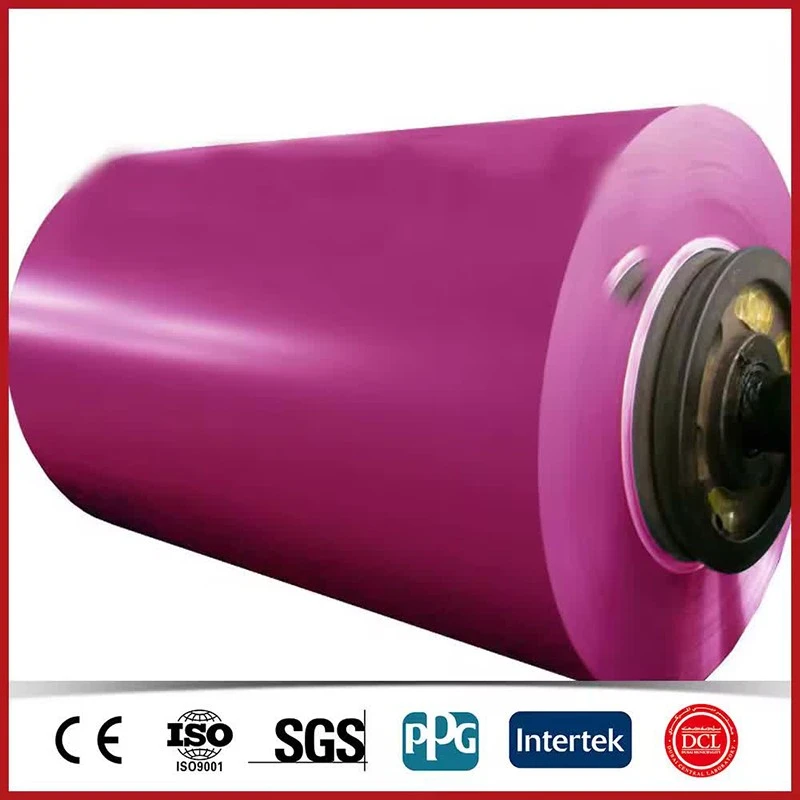
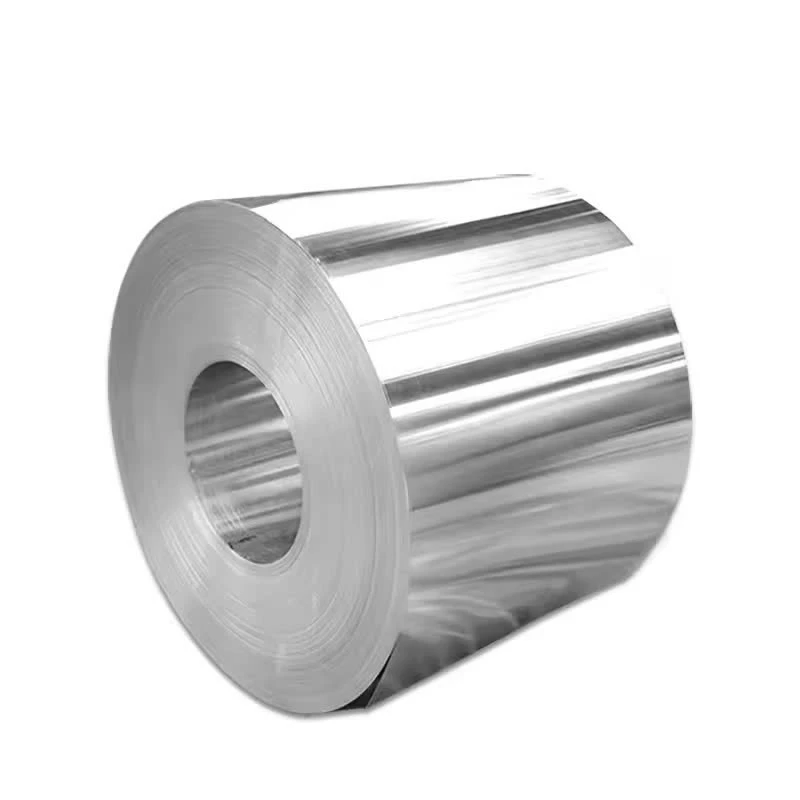
First off, let's get a bit of background. Painted Aluminum Coils, also known as Pre Coated Aluminium, are super popular in a bunch of industries. They're used in construction for things like roofing and siding, in the automotive world for trims and panels, and even in home appliances. The paint on these coils isn't just for looks; it adds a layer of protection against corrosion and gives the aluminum a nice finish.
Now, let's dive into how temperature comes into play. Temperature can have a huge impact on both the short - term and long - term performance of Painted Aluminum Coils.
High Temperatures
When it comes to high temperatures, the first thing that happens is thermal expansion. Aluminum, like most metals, expands when it gets hot. The paint on the coil has to stretch along with the expanding aluminum. If the temperature rises too quickly or gets too high, the paint might not be able to keep up. This can lead to cracking or peeling of the paint.
For example, in a desert area where the daytime temperatures can soar well above 40°C (104°F), the Painted Aluminum Coil on a building's exterior is constantly under stress. The paint has to expand and contract with the changing temperature throughout the day. Over time, small cracks can form in the paint, which not only looks bad but also exposes the underlying aluminum to the elements. Once the aluminum is exposed, it's at risk of corrosion.
Another issue with high temperatures is the softening of the paint. Some paint formulations can start to soften at relatively high temperatures. This can make the surface of the Painted Aluminum Coil sticky, which means it can attract dust, dirt, and other pollutants. If the coil is used in an industrial area, this can be a real problem as the pollutants can react with the paint and further degrade its quality.
In addition, high temperatures can also affect the adhesion of the paint to the aluminum substrate. The heat can break down the chemical bonds between the paint and the aluminum, reducing the overall adhesion strength. This makes it easier for the paint to chip or flake off, especially if the coil is subjected to mechanical stress, like being hit by a small object or during installation.
Low Temperatures
On the flip side, low temperatures can also cause problems for Painted Aluminum Coils. Cold temperatures make the aluminum contract. Similar to the situation with high temperatures, the paint has to shrink along with the aluminum. If the temperature drops too low, the paint might become brittle.
In cold regions where the temperature can go below - 20°C (- 4°F), the paint on the Painted Aluminum Coil can become so brittle that it can crack easily. Even a small impact, like a piece of ice hitting the coil, can cause the paint to crack. Once the paint is cracked, moisture can seep in and start corroding the aluminum.
The curing process of the paint can also be affected by low temperatures. When the paint is applied to the aluminum coil, it needs to cure properly to achieve its full strength and durability. Cold temperatures can slow down or even halt the curing process. This means that the paint might not reach its optimal properties, and the coil won't perform as well as it should.
Temperature Cycling
Temperature cycling, which is the repeated change between high and low temperatures, is perhaps the most challenging condition for Painted Aluminum Coils. Every time the temperature changes, the aluminum and the paint expand and contract. This constant movement puts a lot of stress on the paint - aluminum interface.
Think about a building in a temperate climate where the temperature can vary from below freezing in the winter to hot and sunny in the summer. The Painted Aluminum Coil on this building has to go through these extreme temperature changes year after year. Over time, the repeated expansion and contraction can cause the paint to delaminate from the aluminum. Delamination is when the paint separates from the substrate, leaving the aluminum exposed and vulnerable to corrosion.
How We, as Suppliers, Deal with Temperature Issues
As a Painted Aluminum Coil supplier, we take these temperature - related issues very seriously. We use high - quality paints that are formulated to withstand a wide range of temperatures. These paints have good flexibility, so they can expand and contract with the aluminum without cracking.
We also conduct extensive testing on our coils. We simulate different temperature conditions in our labs to see how the coils perform. This helps us to select the best paint - aluminum combinations and make sure that our products can handle the real - world temperature variations.
When it comes to installation, we provide clear instructions to our customers. We recommend that the coils are installed at the right temperature to ensure proper adhesion and to minimize the stress on the paint. For example, installing the coils in extremely cold or hot weather can increase the risk of paint damage during the installation process.
Conclusion
In conclusion, temperature has a significant impact on the performance of Painted Aluminum Coil and Painted Aluminium Coil. High temperatures can cause paint cracking, softening, and adhesion problems, while low temperatures can make the paint brittle and affect the curing process. Temperature cycling is the most challenging condition, as it puts continuous stress on the paint - aluminum interface.
But don't worry! As a reliable supplier, we've got you covered. We use top - notch materials and conduct thorough testing to make sure our Painted Aluminum Coils can stand up to different temperature conditions.
If you're in the market for high - quality Painted Aluminum Coils, whether it's for a construction project, an automotive application, or something else, we'd love to talk to you. Contact us to discuss your specific needs and get a quote. We're here to help you find the perfect solution for your project.
References
- ASTM International. (20XX). Standard test methods for evaluating the performance of painted metal substrates under different environmental conditions.
- Aluminum Association. (20XX). Technical report on the effects of temperature on aluminum products.