

As a seasoned supplier of Aluminum Coil Rolls, I've witnessed firsthand the industry's evolution and the growing demand for high-quality aluminum products. One of the most frequently asked questions I encounter is about the formability of aluminum coil rolls. In this blog post, I'll delve into the concept of formability, its significance, and how it relates to our Aluminum Coil Rolls.
Understanding Formability
Formability refers to the ability of a material to undergo plastic deformation without cracking or fracturing. In the context of aluminum coil rolls, it's the capacity to be shaped into various forms, such as bending, rolling, stamping, and deep drawing, while maintaining its integrity. This property is crucial in many industries, including automotive, construction, and packaging, where aluminum components need to be fabricated into complex shapes.
The formability of aluminum coil rolls is influenced by several factors, including the alloy composition, temper, thickness, and surface quality. Different aluminum alloys have varying levels of formability, with some being more suitable for specific forming processes than others. For example, alloys with higher magnesium and silicon content tend to have better formability, making them ideal for applications that require extensive shaping.
Alloy Composition and Formability
Aluminum alloys are classified into different series based on their primary alloying elements. The most common series used in coil rolls are the 1xxx, 3xxx, 5xxx, and 6xxx series. Each series has unique properties that affect its formability.
- 1xxx Series: These are pure aluminum alloys with a minimum aluminum content of 99%. They have excellent formability and are often used in applications where high ductility is required, such as foil and electrical conductors.
- 3xxx Series: These alloys contain manganese as the primary alloying element. They offer good formability, corrosion resistance, and moderate strength, making them suitable for general-purpose applications like roofing and siding.
- 5xxx Series: Magnesium is the main alloying element in this series. They have high strength, good formability, and excellent corrosion resistance, making them popular in marine and automotive applications.
- 6xxx Series: These alloys contain magnesium and silicon, which provide a good combination of strength, formability, and corrosion resistance. They are commonly used in automotive body panels, architectural extrusions, and aerospace components.
Temper and Formability
The temper of an aluminum coil roll also plays a significant role in its formability. Temper refers to the heat treatment and mechanical processing that the aluminum has undergone to achieve a specific set of properties. The most common tempers used in coil rolls are O, H, and T.
- O Temper: This is the softest temper and offers the highest formability. Aluminum in the O temper is fully annealed, which means it has been heated and slowly cooled to relieve internal stresses and improve ductility.
- H Temper: These tempers are achieved through cold working and strain hardening. They offer different levels of strength and formability depending on the degree of cold work. For example, H12 is a lightly cold-worked temper with good formability, while H18 is a heavily cold-worked temper with high strength but lower formability.
- T Temper: These tempers are achieved through heat treatment, which involves solution heat treating, quenching, and aging. They offer a good combination of strength and formability, making them suitable for applications that require both.
Thickness and Formability
The thickness of an aluminum coil roll can also affect its formability. Generally, thinner coils have better formability than thicker ones because they require less force to deform. However, very thin coils may be more prone to wrinkling and tearing during forming.
When selecting the appropriate thickness for a specific application, it's important to consider the forming process, the desired shape, and the required strength. Our company offers a wide range of thicknesses to meet the diverse needs of our customers.
Surface Quality and Formability
The surface quality of an aluminum coil roll can also impact its formability. A smooth, clean surface is essential for achieving good formability because it reduces friction and prevents defects such as scratches and cracks.
We take great care to ensure that our coil rolls have a high-quality surface finish. Our manufacturing process includes strict quality control measures to minimize surface imperfections and ensure consistent performance.
Applications of Aluminum Coil Rolls with Good Formability
The excellent formability of aluminum coil rolls makes them suitable for a wide range of applications. Here are some examples:
- Automotive Industry: Aluminum coil rolls are used in the manufacturing of automotive body panels, engine components, and structural parts. Their light weight and good formability help to reduce vehicle weight, improve fuel efficiency, and enhance performance.
- Construction Industry: In the construction industry, aluminum coil rolls are used for roofing, siding, gutters, and window frames. Their corrosion resistance, durability, and formability make them a popular choice for both residential and commercial buildings.
- Packaging Industry: Aluminum coil rolls are widely used in the packaging industry for food and beverage cans, aerosol containers, and foil wraps. Their formability allows for the creation of complex shapes and designs, while their barrier properties protect the contents from moisture, oxygen, and light.
- Aerospace Industry: The aerospace industry requires materials that are lightweight, strong, and have excellent formability. Aluminum coil rolls are used in the manufacturing of aircraft wings, fuselages, and other structural components.
Our Aluminum Coil Roll Products
As a leading supplier of Aluminum Coil Rolls, we offer a wide range of products with excellent formability. Our coil rolls are available in various alloys, tempers, thicknesses, and widths to meet the specific needs of our customers.
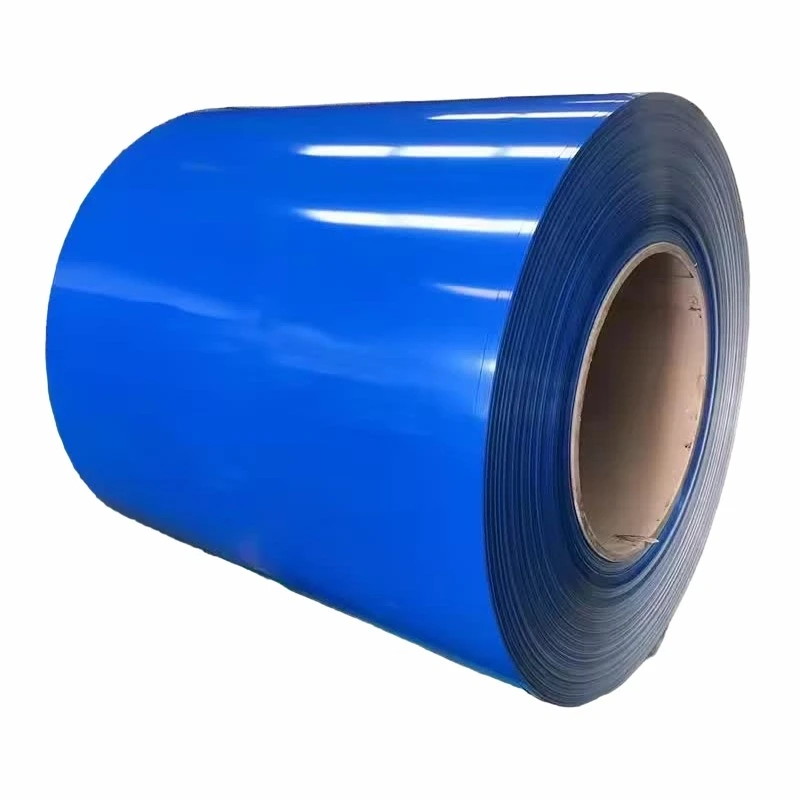
We also offer Color Aluminium Coil, Aluminium Coating Coil, and Painted Aluminum Coil options to enhance the aesthetic appeal and durability of our products. Our coatings and paints are designed to provide long-lasting protection against corrosion, UV rays, and other environmental factors.
Conclusion
In conclusion, the formability of aluminum coil rolls is a critical property that determines their suitability for various applications. It is influenced by factors such as alloy composition, temper, thickness, and surface quality. By understanding these factors, you can choose the right aluminum coil roll for your specific needs.
If you're interested in learning more about our Aluminum Coil Rolls or have any questions about formability, please don't hesitate to contact us. We're here to help you find the perfect solution for your project.

References
- ASM Handbook Volume 2: Properties and Selection: Nonferrous Alloys and Special-Purpose Materials.
- Aluminum Association: Aluminum Standards and Data.
- Modern Aluminum: Technology and Applications.