

As a supplier of ACP sheets for kitchens, I often encounter inquiries from customers about the performance of these sheets under extreme temperatures in the kitchen environment. In this blog, I will delve into the topic to provide you with a comprehensive understanding of whether ACP sheets for kitchens are affected by extreme temperatures.
Understanding ACP Sheets for Kitchens
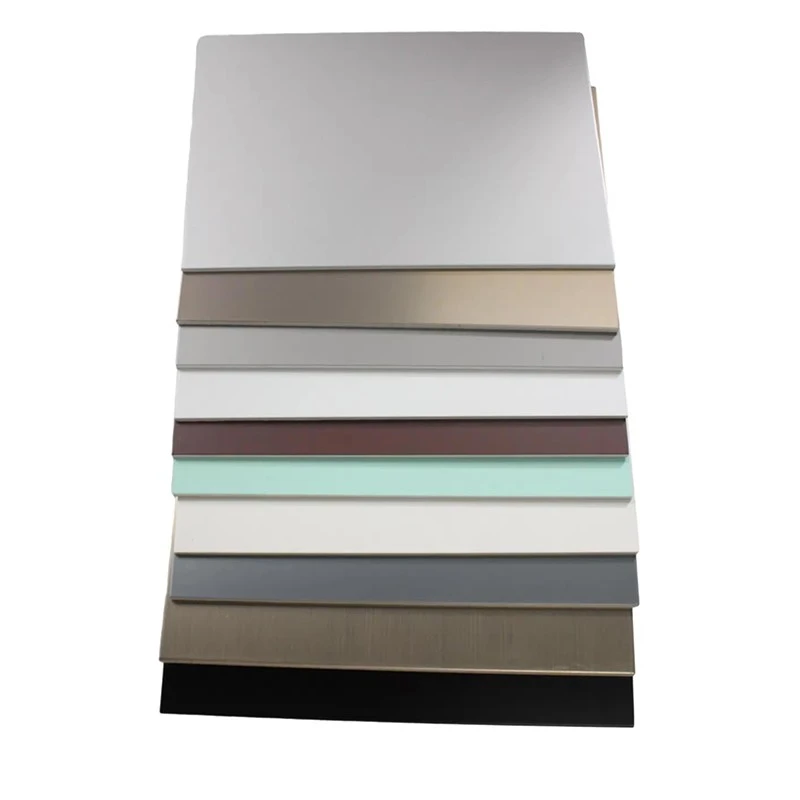
ACP, or Aluminum Composite Panel, consists of two aluminum sheets bonded to a non - aluminum core. These panels are widely used in kitchens due to their aesthetic appeal, durability, and ease of installation. They come in various finishes such as Brushed Aluminium Composite, which offers a sleek and modern look, making them a popular choice for kitchen interiors.
How Extreme Temperatures Occur in the Kitchen
Kitchens are dynamic environments where extreme temperatures can occur in different scenarios. During cooking, stoves, ovens, and grills can generate high heat. For instance, a gas stove can reach temperatures of up to 500 - 600°F (260 - 315°C) on high heat settings. On the other hand, refrigerators and freezers create cold zones, with freezer temperatures typically around 0°F (-18°C).
Impact of High Temperatures on ACP Sheets
Thermal Expansion
One of the primary concerns with high temperatures is thermal expansion. ACP sheets, like most materials, expand when heated. The coefficient of thermal expansion of aluminum is approximately 23.1×10⁻⁶ m/(m·K). When exposed to high heat, the aluminum layers on the ACP sheet will expand. If the expansion is not properly accommodated, it can lead to warping or buckling of the panel.
However, modern ACP sheets for kitchens are designed to handle a certain degree of thermal expansion. The bonding between the aluminum layers and the core is engineered to withstand the stress caused by expansion. Additionally, proper installation techniques, such as leaving expansion joints, can minimize the risk of damage due to thermal expansion.
Adhesive Degradation
The adhesive used to bond the aluminum layers to the core is another area that can be affected by high temperatures. If the temperature exceeds the adhesive's heat resistance limit, it may start to degrade. This can lead to delamination of the panel, where the aluminum layers separate from the core.
To address this issue, many ACP sheet manufacturers use high - quality, heat - resistant adhesives. For example, some adhesives are designed to withstand temperatures up to 200°C (392°F) without significant degradation. Moreover, Fire Resistant Composite Panels are often equipped with adhesives that offer enhanced heat resistance, making them suitable for kitchens with high - heat appliances.
Surface Finish
High temperatures can also affect the surface finish of ACP sheets. Prolonged exposure to heat can cause the paint or coating on the aluminum surface to fade, crack, or blister. This not only affects the aesthetic appeal of the panel but also reduces its resistance to corrosion.
To mitigate this problem, advanced surface treatment technologies are employed. Some ACP sheets have a powder - coated finish that is more heat - resistant and durable compared to traditional paint finishes. The powder coating forms a tough, protective layer that can withstand the rigors of the kitchen environment.
Impact of Low Temperatures on ACP Sheets
Brittleness
Low temperatures can make materials more brittle. Aluminum, the main component of ACP sheets, becomes less ductile as the temperature drops. At extremely low temperatures, there is a risk of the aluminum layers cracking if subjected to impact or stress.
However, in a typical kitchen environment, the cold zones created by refrigerators and freezers are not usually low enough to cause significant brittleness in ACP sheets. Most ACP sheets are tested to perform well within the normal temperature range of a kitchen, which is generally between - 20°C (-4°F) and 50°C (122°F).
Adhesive Performance
Cold temperatures can also affect the adhesive's performance. The adhesive may become stiffer and less flexible, reducing its ability to bond the aluminum layers to the core effectively. But again, high - quality adhesives are formulated to maintain their bonding strength over a wide temperature range.
Testing and Certification
To ensure the quality and performance of ACP sheets in extreme temperatures, many manufacturers conduct rigorous testing. These tests simulate real - world kitchen conditions, including exposure to high and low temperatures, humidity, and mechanical stress.
Certifications such as ISO 9001 (Quality Management System) and ISO 14001 (Environmental Management System) are indicators of a manufacturer's commitment to quality and environmental responsibility. Additionally, some ACP sheets are certified to meet fire safety standards, such as Fireproof Aluminum Composite Panel, which provides an extra layer of protection in the kitchen.

Conclusion
In conclusion, while ACP sheets for kitchens can be affected by extreme temperatures to some extent, modern manufacturing techniques and design features have significantly reduced the risks. High - quality ACP sheets, when properly installed and maintained, can withstand the normal temperature variations in a kitchen environment.
If you are considering using ACP sheets for your kitchen project, it is important to choose a reliable supplier who can provide you with detailed information about the product's performance under different conditions. As a supplier of ACP sheets for kitchens, I am always ready to assist you in selecting the right product for your needs. Whether you are looking for a sleek Brushed Aluminium Composite finish or a Fire Resistant Composite Panels for added safety, we have a wide range of options to meet your requirements.
If you have any questions or would like to discuss your kitchen project in more detail, please feel free to contact us. We are eager to engage in procurement discussions and help you find the perfect ACP sheets for your kitchen.
References
- "Thermal Properties of Aluminum and Aluminum Alloys" - ASM International
- "Adhesive Technology in Composite Materials" - CRC Press
- Manufacturer's technical data sheets for ACP sheets.