

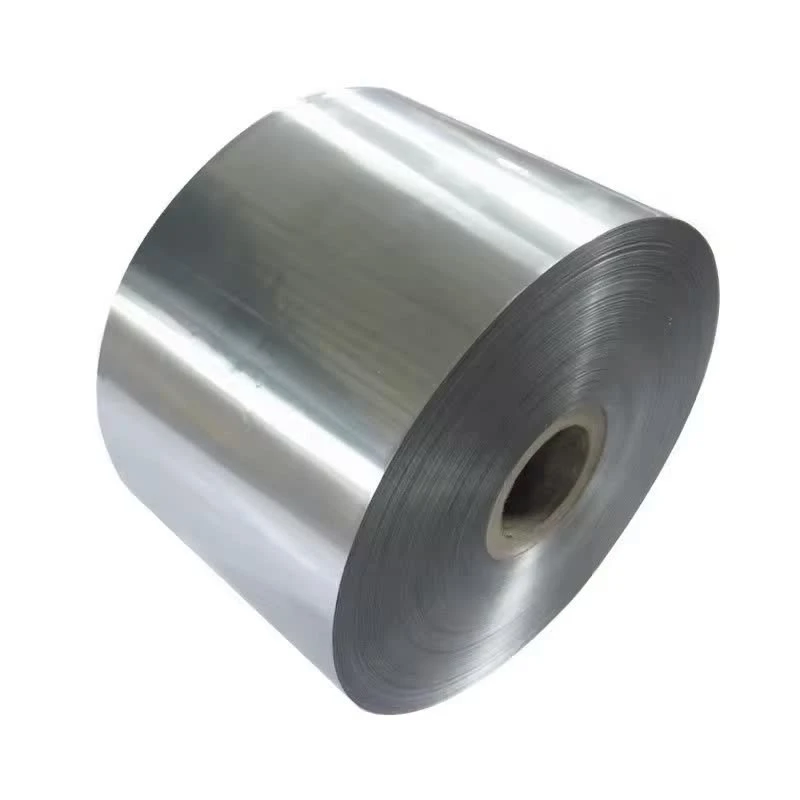
Hey there! As an Aluminum Paint Coil supplier, I've been asked a ton of questions over the years. One that keeps popping up is how humidity affects the drying process of the paint on our Aluminum Paint Coils. So, let's dive right in and break it down.
Understanding the Basics of Paint Drying
First off, we need to understand how paint dries on Aluminum Paint Coils. When we apply paint to these coils, it goes through a process called curing. There are two main types of curing: physical and chemical. Physical curing happens when the solvents in the paint evaporate, leaving behind a solid film. Chemical curing, on the other hand, involves a chemical reaction that turns the liquid paint into a solid.
In most cases, the drying process of paint on Aluminum Paint Coils is a combination of both physical and chemical curing. The solvents start to evaporate, and at the same time, the chemical reaction begins to harden the paint. This results in a durable and protective coating on the aluminum.
The Role of Humidity
Now, let's talk about humidity. Humidity is the amount of water vapor in the air. It plays a crucial role in the drying process of paint because water vapor can interfere with the evaporation of solvents and the chemical reactions involved in curing.
When the humidity is high, there's a lot of water vapor in the air. This makes it harder for the solvents in the paint to evaporate. Think of it like trying to dry your clothes on a rainy day. The wet air slows down the drying process. Similarly, high humidity can significantly extend the drying time of the paint on Aluminum Paint Coils.
On top of that, high humidity can also affect the chemical curing process. Some paints require a specific level of dryness in the air to undergo the chemical reactions needed to harden properly. If the air is too humid, these reactions may not occur as efficiently, leading to a weaker and less durable paint coating.
Effects of High Humidity on Paint Drying
Let's take a closer look at the specific effects of high humidity on the drying process of paint on Aluminum Paint Coils.
- Extended Drying Time: As mentioned earlier, high humidity slows down the evaporation of solvents. This means that the paint will take longer to dry to the touch and fully cure. In some cases, the drying time can be doubled or even tripled compared to ideal humidity conditions. This can be a major problem for production schedules, as it may delay the delivery of the Aluminum Paint Coils to customers.
- Blistering and Bubbling: When the paint is exposed to high humidity during the drying process, water vapor can get trapped beneath the paint film. As the paint dries and hardens, this trapped water vapor can cause blistering and bubbling on the surface of the paint. Not only does this look unsightly, but it also weakens the paint coating and reduces its protective properties.
- Poor Adhesion: High humidity can also affect the adhesion of the paint to the aluminum surface. The presence of water vapor can prevent the paint from properly bonding to the metal, resulting in a paint coating that is more likely to peel or chip off over time. This can lead to premature corrosion of the aluminum and reduce the lifespan of the Aluminum Paint Coils.
- Color Changes: In some cases, high humidity can cause color changes in the paint. The water vapor in the air can react with the pigments in the paint, altering their chemical composition and causing the color to fade or change. This can be a significant issue for customers who have specific color requirements for their Aluminum Paint Coils.
Effects of Low Humidity on Paint Drying
While high humidity can cause a lot of problems, low humidity can also have its own set of issues.
- Cracking and Checking: When the humidity is too low, the solvents in the paint can evaporate too quickly. This can cause the paint to dry and harden too rapidly, leading to cracking and checking on the surface of the paint. These cracks can allow moisture and oxygen to penetrate the paint coating, increasing the risk of corrosion.
- Poor Flow and Levelling: Low humidity can also affect the flow and levelling of the paint. The paint may not spread evenly on the aluminum surface, resulting in a rough and uneven finish. This can be a cosmetic issue, but it can also affect the performance of the paint coating.
Ideal Humidity Conditions for Paint Drying
So, what's the ideal humidity level for drying paint on Aluminum Paint Coils? Generally, a relative humidity of between 40% and 60% is considered ideal. At this level, the solvents in the paint can evaporate at a moderate rate, allowing the paint to dry and cure properly without the risk of blistering, cracking, or other issues.
It's also important to note that the temperature can affect the ideal humidity level. In general, higher temperatures require lower humidity levels for optimal paint drying. For example, at a temperature of 25°C (77°F), a relative humidity of around 50% is ideal. However, at a temperature of 30°C (86°F), a relative humidity of around 40% may be more suitable.

Controlling Humidity in the Painting Process
As an Aluminum Paint Coil supplier, we take humidity control very seriously. We have a number of measures in place to ensure that the paint on our coils dries and cures under optimal conditions.
- Environmental Control: We use state-of-the-art environmental control systems in our painting facilities to regulate the temperature and humidity. These systems can monitor the humidity levels in real-time and adjust the ventilation and heating or cooling as needed to maintain the ideal conditions for paint drying.
- Drying Chambers: In some cases, we use drying chambers to speed up the drying process and ensure consistent results. These chambers are designed to provide a controlled environment with the right temperature and humidity levels for the paint to dry and cure properly.
- Quality Testing: We also conduct rigorous quality testing on our Aluminum Paint Coils to ensure that the paint has dried and cured correctly. This includes visual inspections, adhesion tests, and corrosion resistance tests. If any issues are detected, we take immediate steps to address them before the coils are shipped to our customers.
Conclusion
In conclusion, humidity plays a crucial role in the drying process of the paint on Aluminum Paint Coils. High humidity can cause a range of problems, including extended drying time, blistering, poor adhesion, and color changes. Low humidity can also lead to issues such as cracking and poor flow. By understanding the effects of humidity and taking steps to control it, we can ensure that our Aluminum Paint Coils have a high-quality paint coating that is durable, protective, and visually appealing.
If you're in the market for Coated Aluminum Roll, Paint Aluminium Coil, or Aluminum Coated Roll, we'd love to hear from you. We have a wide range of products to meet your needs, and our team of experts can provide you with all the information and support you need to make the right choice. So, don't hesitate to get in touch and start a conversation about your requirements.
References
- Pettit, C. (2008). The Science of Paint. New York: McGraw-Hill.
- Schoff, R. (2012). Painting Metals: A Guide to Surface Preparation and Coating Selection. Chicago: The Chemical Publishing Company.
- Wicks, Z. W., Jones, F. N., & Pappas, S. P. (1999). Organic Coatings: Science and Technology. New York: Wiley-Interscience.