

Can ACP for Ceiling be used in industrial buildings?
As a supplier of ACP (Aluminum Composite Panels) for ceiling, I often get asked whether these panels are suitable for industrial buildings. In this blog post, I'll explore the various aspects of using ACP for ceiling in industrial settings, including their advantages, potential challenges, and key considerations.
Advantages of Using ACP for Ceiling in Industrial Buildings
1. Durability
Industrial buildings are subject to a lot of wear and tear. ACPs are known for their high - strength and durability. They are made of two aluminum sheets bonded to a non - aluminum core, which gives them excellent structural integrity. This means that they can withstand the harsh conditions often found in industrial environments, such as vibrations from machinery, minor impacts, and temperature fluctuations. For example, in a manufacturing plant where heavy equipment is constantly in operation, ACP ceilings can maintain their shape and appearance over a long period.
2. Aesthetic Appeal
Industrial buildings no longer have to be dull and unappealing. ACPs come in a wide range of colors, finishes, and textures. Whether you want a modern, sleek look or a more traditional appearance, there is an ACP option available. This allows industrial building owners to create a more pleasant and professional working environment. For instance, a high - tech startup in an industrial park might choose a metallic - finish ACP ceiling to give their workspace a contemporary feel.
3. Lightweight
One of the significant advantages of ACPs is their lightweight nature. Compared to traditional ceiling materials like concrete or heavy - duty wood, ACPs are much easier to handle and install. This not only reduces the installation time but also lowers the overall load on the building structure. In an industrial building, where large - scale construction and renovation projects are common, the lightweight property of ACPs can lead to cost savings in terms of labor and equipment required for installation.
4. Easy Maintenance
Industrial buildings require regular maintenance, and ACP ceilings are relatively easy to clean and maintain. They are resistant to stains, dirt, and moisture, and can be easily wiped down with a mild detergent and water. This is particularly beneficial in industrial settings where cleanliness is crucial, such as food processing plants or pharmaceutical manufacturing facilities.
5. Fire Resistance
Many ACPs, such as the Fire Resistant Composite Panels, are designed with fire - resistant properties. In industrial buildings, fire safety is of utmost importance. These fire - resistant ACPs can help prevent the spread of fire and provide valuable time for evacuation in case of an emergency.
Potential Challenges
1. Cost
While ACPs offer many benefits, they can be more expensive than some traditional ceiling materials. However, it's important to consider the long - term cost - effectiveness. The durability and low maintenance requirements of ACPs can offset the initial higher cost over time. For small - scale industrial operations with tight budgets, the upfront cost might be a deterrent, but for larger, long - term projects, the investment in ACP ceilings can be justified.
2. Compatibility with Existing Structures
In some cases, integrating ACP ceilings into existing industrial buildings can be challenging. The building's structure may need to be modified to accommodate the new ceiling system. This could involve additional costs and time for structural engineering and construction work. It's essential to conduct a thorough assessment of the existing building before deciding to install ACP ceilings.
3. Environmental Conditions
Although ACPs are generally durable, extreme environmental conditions can pose challenges. For example, in areas with high humidity or corrosive chemicals, the aluminum surface of the ACP may be prone to corrosion. In such cases, special coatings or protective measures may need to be applied to ensure the longevity of the ceiling.
Key Considerations
1. Building Codes and Regulations
Before installing ACP ceilings in an industrial building, it's crucial to comply with all relevant building codes and regulations. Different regions may have specific requirements regarding ceiling materials, fire safety, and structural integrity. Make sure to consult with local authorities and building professionals to ensure that your ACP ceiling installation meets all the necessary standards.
2. Quality of the ACP
Not all ACPs are created equal. When choosing ACPs for your industrial ceiling, it's important to select high - quality products from a reputable supplier. Look for products that have been tested and certified for their performance, such as fire resistance, strength, and durability. A reliable supplier will also provide technical support and warranty for their products.
3. Installation
Proper installation is key to the performance of ACP ceilings. Ensure that the installation is carried out by experienced professionals who are familiar with ACP installation techniques. Incorrect installation can lead to issues such as poor alignment, leaks, and reduced durability.
4. Customization
Industrial buildings have diverse requirements, and ACPs can be customized to meet specific needs. Whether it's the size, shape, or color of the panels, work with your supplier to create a ceiling solution that fits your building's unique design and functional requirements. For example, if your industrial building has irregularly shaped spaces, custom - cut ACP panels can be used to ensure a perfect fit.

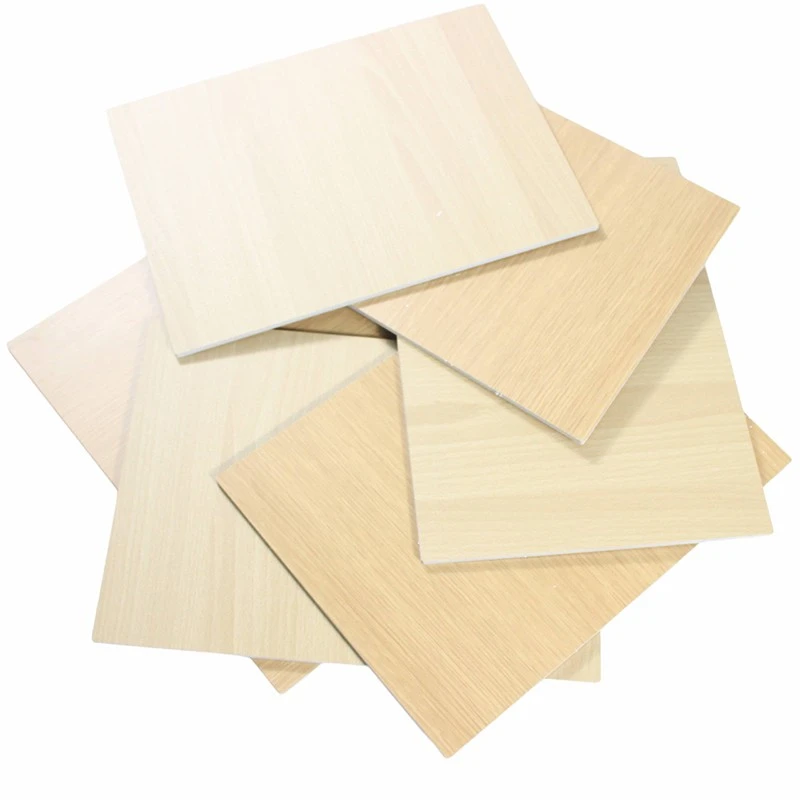
Applications of ACP in Industrial Buildings
1. Manufacturing Plants
In manufacturing plants, ACP ceilings can provide a clean and professional look while withstanding the rigors of daily operations. They can also be used to create partitioned areas within the plant, such as offices or break rooms. The ACP Sheet for Partition can be used in conjunction with the ceiling panels to create a cohesive and functional workspace.
2. Warehouses
Warehouses require a ceiling material that is durable and easy to maintain. ACP ceilings can meet these requirements, and their lightweight nature makes them suitable for large - span warehouse structures. They can also help improve the lighting conditions in the warehouse by reflecting light, reducing the need for excessive artificial lighting.
3. Industrial Kitchens
In industrial kitchens, hygiene and fire safety are critical. ACPs, such as the Aluminium Composite Panels for Kitchen, are resistant to moisture, stains, and heat, making them an ideal choice for ceiling applications. They can also be easily cleaned to meet strict food safety standards.
Conclusion
In conclusion, ACP for ceiling can be a viable option for industrial buildings. Their durability, aesthetic appeal, lightweight nature, and easy maintenance make them well - suited for a variety of industrial applications. However, it's important to consider the potential challenges, such as cost and compatibility, and to take into account key factors like building codes, product quality, and proper installation.
If you're considering using ACP for your industrial ceiling, I encourage you to reach out to discuss your specific requirements. As a trusted ACP supplier, I can provide you with high - quality products, expert advice, and support throughout the installation process. Let's work together to create a functional and attractive ceiling solution for your industrial building.
References
- "Aluminum Composite Panels: Properties and Applications" - Journal of Building Materials
- "Fire Safety in Industrial Buildings" - National Fire Protection Association
- "Industrial Building Design and Construction" - Construction Industry Institute