

As a seasoned supplier of Coating Aluminum Coils, I often encounter a question from clients and industry enthusiasts alike: Can a coated aluminum coil be welded? This question is not just a simple yes or no; it involves a deep understanding of the coating materials, welding techniques, and the intended application of the welded product. In this blog, I will delve into the intricacies of welding coated aluminum coils, exploring the possibilities, challenges, and best practices.
Understanding Coated Aluminum Coils
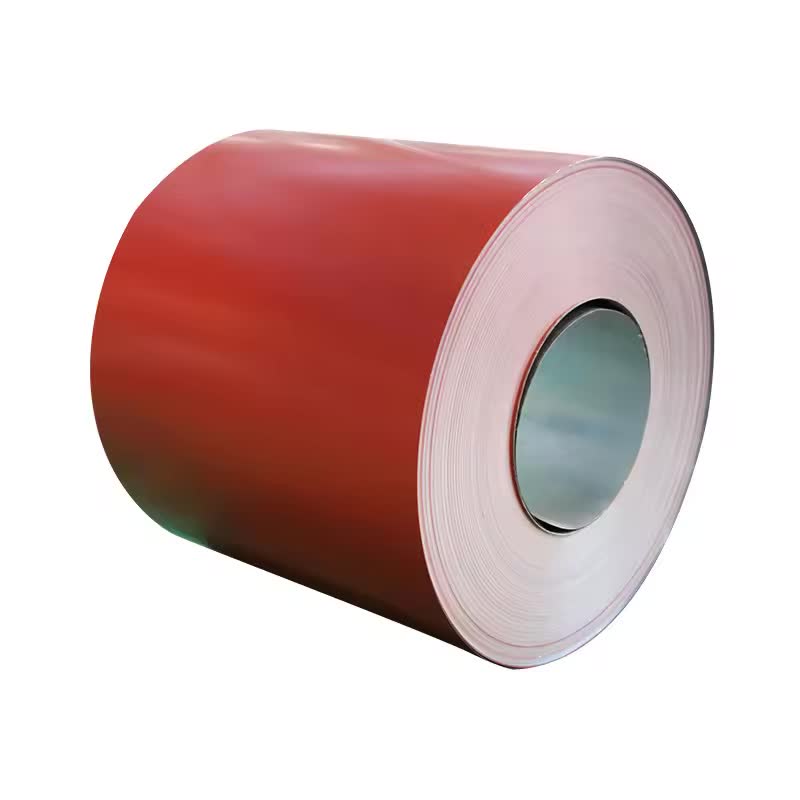
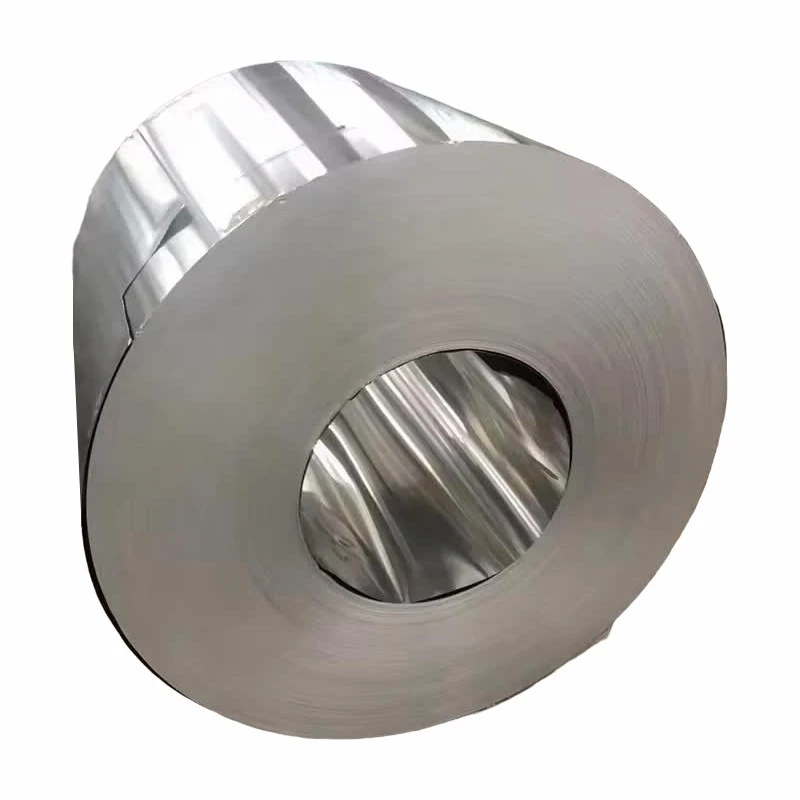
Before we discuss welding, it's essential to understand what coated aluminum coils are. Coated aluminum coils are aluminum sheets that have been treated with a protective or decorative coating. These coatings can serve various purposes, such as enhancing corrosion resistance, improving aesthetics, or providing insulation. The most common types of coatings include Pre Coated Aluminium, Painted Aluminum Coil, and Aluminum Paint Coil.
The coating process typically involves applying a layer of paint, powder, or other protective materials to the surface of the aluminum coil. This can be done through various methods, such as roll coating, spray coating, or electrostatic painting. The choice of coating method and material depends on the specific requirements of the application, including the desired appearance, durability, and performance.
The Challenges of Welding Coated Aluminum Coils
Welding coated aluminum coils presents several challenges compared to welding bare aluminum. The primary challenge is the presence of the coating, which can interfere with the welding process. When the coating is exposed to the high temperatures generated during welding, it can burn, vaporize, or release harmful gases. This can not only affect the quality of the weld but also pose health and safety risks to the welder.
Another challenge is the difference in the melting points between the aluminum substrate and the coating. The coating may have a lower melting point than the aluminum, which can cause it to melt or degrade before the aluminum is fully welded. This can result in a weak or defective weld, as well as a poor appearance of the welded joint.
In addition, the coating can also affect the electrical conductivity of the aluminum coil, which can make it more difficult to achieve a stable and consistent weld. The coating may act as an insulator, preventing the flow of electricity and causing the weld to be inconsistent or incomplete.
Welding Techniques for Coated Aluminum Coils
Despite the challenges, it is possible to weld coated aluminum coils using the right techniques and equipment. The key is to choose a welding method that minimizes the impact of the coating on the welding process. Here are some of the most common welding techniques used for coated aluminum coils:
Tungsten Inert Gas (TIG) Welding
TIG welding is a popular choice for welding coated aluminum coils because it allows for precise control of the welding process. In TIG welding, a non-consumable tungsten electrode is used to create an arc between the electrode and the workpiece. A shielding gas, such as argon, is used to protect the weld from oxidation and contamination.
To weld coated aluminum coils using TIG welding, it is important to remove the coating from the area to be welded. This can be done using a mechanical method, such as grinding or sanding, or a chemical method, such as using a paint stripper. Once the coating is removed, the aluminum substrate can be cleaned and prepared for welding.
During the welding process, it is important to use a low heat input to minimize the impact of the coating on the weld. This can be achieved by using a small electrode and a low welding current. It is also important to maintain a consistent travel speed and to use a proper shielding gas flow rate to ensure a clean and stable weld.
Metal Inert Gas (MIG) Welding
MIG welding is another commonly used welding technique for coated aluminum coils. In MIG welding, a consumable wire electrode is fed through a welding gun and melted by an electric arc. A shielding gas, such as argon or a mixture of argon and carbon dioxide, is used to protect the weld from oxidation and contamination.
Similar to TIG welding, it is important to remove the coating from the area to be welded before MIG welding. This can be done using the same methods as described above. Once the coating is removed, the aluminum substrate can be cleaned and prepared for welding.
During the welding process, it is important to use a proper wire feed speed and welding current to ensure a stable and consistent weld. It is also important to maintain a proper contact tip to work distance and to use a proper shielding gas flow rate to prevent porosity and other weld defects.
Resistance Spot Welding
Resistance spot welding is a technique that is commonly used for joining thin sheets of aluminum. In resistance spot welding, two electrodes are placed on either side of the workpiece, and an electric current is passed through the electrodes to create a weld at the contact point.
To weld coated aluminum coils using resistance spot welding, it is important to ensure that the electrodes are clean and free of any coating or debris. This can be done by using a wire brush or a cleaning solution. It is also important to use a proper welding current and time to ensure a strong and reliable weld.
Best Practices for Welding Coated Aluminum Coils
To ensure the best results when welding coated aluminum coils, it is important to follow some best practices. Here are some tips to help you achieve a high-quality weld:
- Prepare the Coil: Before welding, it is important to remove the coating from the area to be welded. This can be done using a mechanical or chemical method, as described above. Once the coating is removed, the aluminum substrate should be cleaned and degreased to remove any dirt, oil, or other contaminants.
- Choose the Right Welding Method: As discussed above, there are several welding methods available for coated aluminum coils. The choice of welding method depends on the specific requirements of the application, including the thickness of the coil, the type of coating, and the desired appearance of the weld.
- Use the Right Equipment: It is important to use the right welding equipment for the job. This includes a welding machine that is capable of producing the required welding current and voltage, as well as the appropriate electrodes, shielding gas, and other accessories.
- Control the Heat Input: To minimize the impact of the coating on the weld, it is important to control the heat input during the welding process. This can be done by using a low heat input, a slow travel speed, and a proper shielding gas flow rate.
- Protect the Welder: Welding coated aluminum coils can pose health and safety risks to the welder. It is important to wear appropriate personal protective equipment (PPE), such as a welding helmet, gloves, and a respirator, to protect the welder from the harmful effects of the coating and the welding fumes.
Conclusion
In conclusion, while welding coated aluminum coils presents several challenges, it is possible to achieve a high-quality weld using the right techniques and equipment. By understanding the challenges and following the best practices outlined in this blog, you can ensure that your welded coated aluminum coils meet the highest standards of quality and performance.
If you are interested in purchasing coated aluminum coils or have any questions about welding coated aluminum coils, please feel free to contact us. Our team of experts is always available to provide you with the information and support you need to make the right decision for your application.
References
- ASM Handbook, Volume 6: Welding, Brazing, and Soldering. ASM International, 1993.
- Welding Aluminum and Aluminum Alloys. American Welding Society, 2003.
- Coating Technology for Metals. Society of Manufacturing Engineers, 1994.