

The solar energy industry has witnessed remarkable growth in recent years, driven by the increasing demand for clean and sustainable energy sources. As the industry expands, the choice of materials used in solar energy systems becomes crucial for ensuring efficiency, durability, and cost - effectiveness. One material that has caught the attention is the 3003 aluminum coil. As a supplier of 3003 Aluminum Coil, I am well - positioned to discuss its potential use in the solar energy industry.
Properties of 3003 Aluminum Coil
The 3003 aluminum coil is an alloy primarily composed of aluminum, with manganese as the main alloying element. This alloy offers several properties that make it a strong candidate for use in the solar energy sector.
-
Corrosion Resistance
One of the most significant advantages of 3003 aluminum coil is its excellent corrosion resistance. Solar panels and related components are often exposed to various environmental conditions, including moisture, oxygen, and pollutants. The natural oxide layer that forms on the surface of 3003 aluminum coil acts as a protective barrier, preventing the underlying metal from corroding. This is especially important in coastal areas or regions with high humidity, where corrosion can significantly reduce the lifespan of solar energy equipment. -
Formability
3003 aluminum coil is highly formable, which means it can be easily shaped into different forms and sizes. In the solar energy industry, components such as frames, mounting brackets, and enclosures need to be precisely fabricated to fit the specific design requirements of solar panels. The formability of 3003 aluminum coil allows manufacturers to create complex shapes without sacrificing the integrity of the material. Whether it's a simple flat frame or a more intricate three - dimensional bracket, 3003 aluminum coil can be formed using processes like bending, rolling, and stamping. -
Lightweight
Weight is a critical factor in the solar energy industry, especially for rooftop solar installations. The lighter the components, the easier it is to install and the less stress is placed on the building structure. 3003 aluminum coil is relatively lightweight compared to other metals, such as steel. This property not only simplifies the installation process but also reduces the overall cost of transportation and installation. -
Thermal Conductivity
Good thermal conductivity is essential for solar energy systems to efficiently transfer heat. 3003 aluminum coil has a relatively high thermal conductivity, which allows it to dissipate heat effectively. This is beneficial for solar panels, as it helps to prevent overheating and maintain optimal performance. Overheating can reduce the efficiency of solar cells and shorten their lifespan, so the ability of 3003 aluminum coil to conduct heat away from the panels is a valuable asset.
Applications of 3003 Aluminum Coil in the Solar Energy Industry
-
Solar Panel Frames
Solar panel frames are one of the most common applications of 3003 aluminum coil in the solar energy industry. The frames provide structural support to the solar cells and protect them from mechanical damage. The corrosion resistance and formability of 3003 aluminum coil make it an ideal material for frames. The frames can be anodized or painted to enhance their appearance and further improve their corrosion resistance. 3003 Aluminum Coil can be easily extruded into the desired profile for solar panel frames, ensuring a precise fit and long - lasting performance. -
Mounting Structures
Mounting structures are used to secure solar panels to rooftops or the ground. 3003 aluminum coil can be used to fabricate mounting brackets, rails, and other components of the mounting system. The lightweight and formable nature of 3003 aluminum coil make it easy to install and adjust the mounting structures according to the specific requirements of the installation site. Additionally, the corrosion resistance of the material ensures that the mounting structures can withstand the test of time and environmental conditions. -
Enclosures and Housings
Solar energy systems often require enclosures and housings to protect sensitive electronic components, such as inverters and charge controllers. 3003 aluminum coil can be used to manufacture these enclosures due to its corrosion resistance, formability, and ability to dissipate heat. The enclosures can be designed to be waterproof, dustproof, and electromagnetic - interference (EMI) resistant, providing a safe and reliable environment for the electronic components. -
Heat Sinks
As mentioned earlier, thermal management is crucial for solar energy systems. 3003 aluminum coil can be used to create heat sinks for solar inverters and other high - power components. The high thermal conductivity of 3003 aluminum coil allows heat sinks to effectively transfer heat away from the components, preventing overheating and ensuring stable operation.
Comparison with Other Materials
-
Steel
Steel is a traditional material used in the solar energy industry, but it has some limitations compared to 3003 aluminum coil. Steel is heavier than 3003 aluminum coil, which can make installation more difficult and increase the load on the building structure. Additionally, steel is more prone to corrosion, especially in harsh environmental conditions. While steel can be coated to improve its corrosion resistance, these coatings may wear off over time, requiring regular maintenance. In contrast, 3003 aluminum coil offers better corrosion resistance without the need for extensive coating maintenance. -
Plastic
Plastic materials are also used in some solar energy applications, but they lack the strength and durability of 3003 aluminum coil. Plastic components may deform under high temperatures or mechanical stress, which can affect the performance and safety of the solar energy system. 3003 aluminum coil, on the other hand, has excellent mechanical properties and can withstand a wide range of temperatures and environmental conditions.
Challenges and Considerations
-
Cost
Although 3003 aluminum coil offers many advantages, its cost can be a consideration for some solar energy projects. The price of aluminum can fluctuate depending on market conditions, and in some cases, it may be more expensive than other materials. However, when considering the long - term benefits, such as reduced maintenance costs and longer lifespan, the initial investment in 3003 aluminum coil may be justified. -
Surface Finish
The surface finish of 3003 aluminum coil can affect its performance in the solar energy industry. For example, a rough surface may accumulate dust and dirt more easily, which can reduce the efficiency of solar panels. It is important to choose the appropriate surface finish, such as anodizing or painting, to ensure optimal performance and appearance.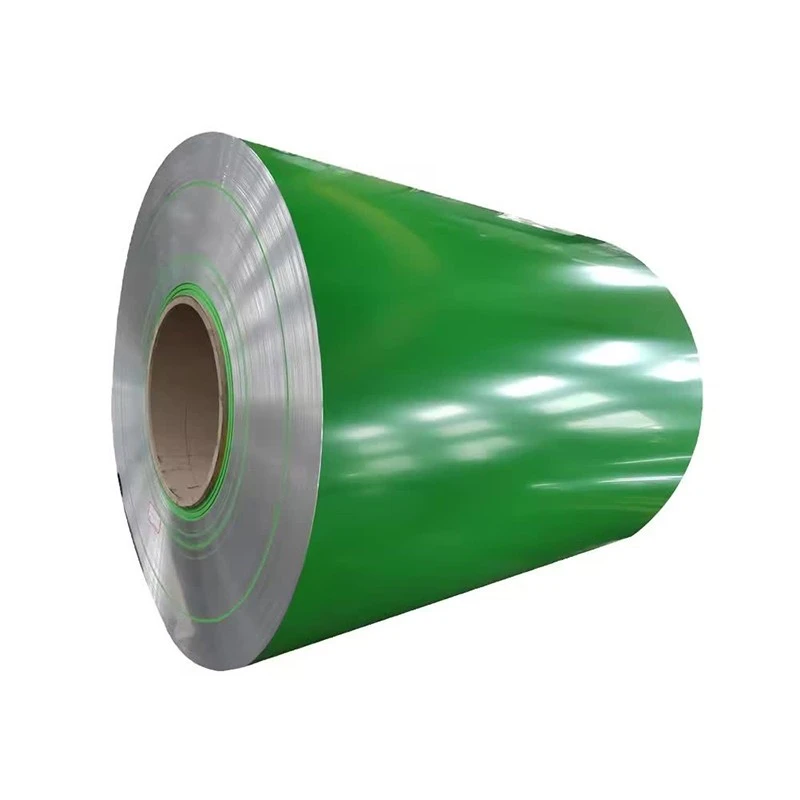

Our Offerings as a 3003 Aluminum Coil Supplier
As a supplier of 3003 Aluminum Coil, we offer a wide range of products to meet the diverse needs of the solar energy industry. Our Aluminum Coil Roll is available in different thicknesses and widths, allowing customers to choose the most suitable product for their specific applications. We also provide Aluminum Lacquered Coil, which offers enhanced protection against corrosion and a more aesthetically pleasing appearance.
Our manufacturing process ensures high - quality products that meet strict industry standards. We have a team of experienced engineers and technicians who can provide technical support and advice to our customers. Whether you are a solar panel manufacturer, an installer, or a project developer, we can work with you to find the best solution for your solar energy project.
Conclusion
In conclusion, 3003 aluminum coil has great potential for use in the solar energy industry. Its corrosion resistance, formability, lightweight, and thermal conductivity make it a suitable material for various applications, including solar panel frames, mounting structures, enclosures, and heat sinks. While there are some challenges, such as cost and surface finish, the long - term benefits of using 3003 aluminum coil outweigh the drawbacks.
If you are interested in using 3003 aluminum coil for your solar energy project, we invite you to contact us for more information. Our team is ready to discuss your requirements and provide you with the best products and services. Let's work together to contribute to the growth of the solar energy industry and a more sustainable future.
References
- ASM Handbook Committee. (2000). ASM Handbook Volume 2: Properties and Selection: Nonferrous Alloys and Special - Purpose Materials. ASM International.
- Aluminum Association. (2019). Aluminum Design Manual. Aluminum Association.
- International Renewable Energy Agency (IRENA). (2020). Renewable Energy Statistics 2020. IRENA.