

As a supplier of Painted Aluminum Coil, I often get questions about the electrical conductivity properties of our products. In this blog post, I will delve into the details of the electrical conductivity of painted aluminum coil, exploring how the painting process affects it and its applications in various industries.
Understanding Aluminum's Natural Electrical Conductivity
Aluminum is well - known for its excellent electrical conductivity. It is the third most conductive metal after silver and copper. The high conductivity of aluminum is due to its atomic structure. Aluminum has three valence electrons that are relatively free to move within the metal lattice. This mobility of electrons allows for the easy flow of electric current. In its pure form, aluminum can efficiently conduct electricity, which makes it a popular choice in electrical applications such as power transmission lines.
The conductivity of pure aluminum is approximately 37.7 x 10^6 S/m (Siemens per meter) at 20°C. However, when we talk about painted aluminum coil, the situation becomes more complex.
The Impact of Painting on Electrical Conductivity
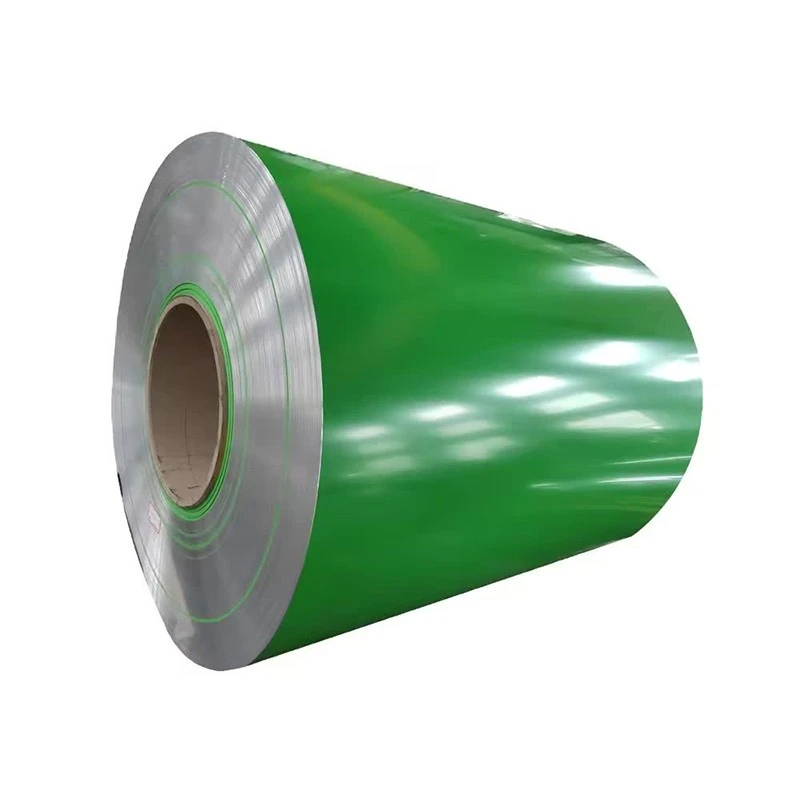
When aluminum coil is painted, a layer of paint is applied on its surface. This paint layer acts as an insulator. The primary purpose of painting aluminum coil is to enhance its corrosion resistance, improve its aesthetic appearance, and sometimes provide additional protection against environmental factors.
The paint layer can significantly reduce the electrical conductivity of the painted aluminum coil. Since the paint is a non - conductive material, it creates a barrier that hinders the flow of electrons between the surface of the aluminum and any external electrical contacts. The degree to which the conductivity is reduced depends on several factors, including the type of paint, the thickness of the paint layer, and the uniformity of the paint application.
For example, a thick and uniform layer of paint will provide better insulation and thus more effectively reduce the electrical conductivity. Some high - quality paints used in the coating of aluminum coils are designed to have excellent insulating properties, which can almost completely block the electrical conduction through the painted surface.
Measuring the Electrical Conductivity of Painted Aluminum Coil
To measure the electrical conductivity of painted aluminum coil, specialized equipment is required. One common method is the four - point probe method. In this method, four probes are placed on the surface of the sample. A known current is passed through the outer two probes, and the voltage is measured across the inner two probes. Using Ohm's law (V = IR), the resistance of the sample can be calculated, and then the conductivity can be determined based on the sample's dimensions.
Another method is the eddy - current testing. This non - destructive testing method is based on the principle that when an alternating magnetic field is applied to a conductive material, eddy currents are induced in the material. The presence of a paint layer on the aluminum coil will affect the eddy - current distribution, and by analyzing the changes in the eddy - current signals, the electrical properties of the painted aluminum coil can be evaluated.
Applications Based on Electrical Conductivity Properties
Despite the reduced electrical conductivity due to painting, painted aluminum coil still has a wide range of applications in different industries.
Building and Construction
In the building and construction industry, painted aluminum coil is widely used for roofing, wall cladding, and window frames. Although electrical conductivity is not the primary concern in these applications, the reduced conductivity can be an advantage in some cases. For example, in areas with high lightning activity, the insulating paint layer can help reduce the risk of electrical arcing and damage to the building structure.
Electrical Enclosures
Painted aluminum coil is also used in the manufacturing of electrical enclosures. These enclosures are designed to protect electrical components from dust, moisture, and mechanical damage. The paint layer on the aluminum coil provides an additional layer of insulation, which helps prevent electrical short - circuits and protects the users from accidental electrical contact.
Automotive Industry
In the automotive industry, painted aluminum coil is used for various parts such as body panels and trim. The reduced electrical conductivity can be beneficial in preventing electrical interference between different components in the vehicle. For example, it can reduce the electromagnetic interference (EMI) that may affect the performance of electronic systems in the car.
Advantages of Our Painted Aluminum Coil in Terms of Electrical Conductivity
As a supplier of Painted Aluminum Coil, we take great care in the painting process to ensure that the electrical conductivity properties of our products meet the specific requirements of our customers.
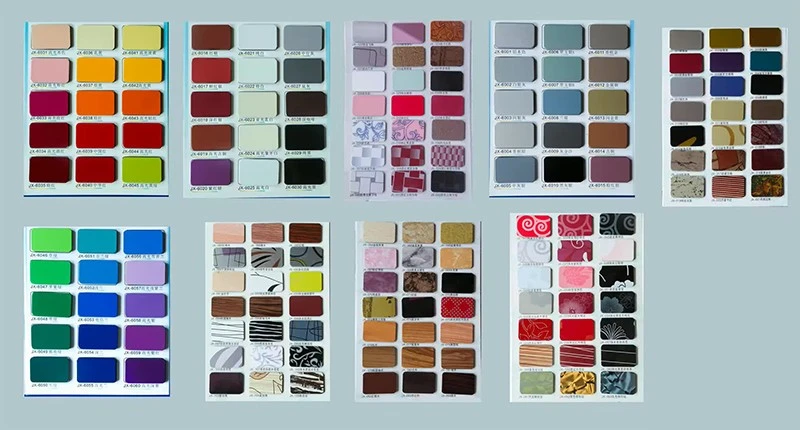
We offer a variety of paint options, each with different insulating properties. This allows our customers to choose the most suitable painted aluminum coil based on their application needs. Whether they need a high - insulation coil for electrical enclosures or a coil with relatively better conductivity for certain automotive applications, we can provide the right solution.
Our painting process is highly controlled to ensure uniform paint thickness and quality. This not only guarantees consistent electrical performance but also enhances the overall durability and appearance of the painted aluminum coil.
Comparing with Other Coated Aluminum Products
When compared with Aluminum Lacquered Coil, painted aluminum coil generally has a different electrical conductivity profile. Lacquer is a type of coating that is often thinner and may provide a different level of insulation compared to paint. In some cases, lacquered aluminum coil may have a slightly higher electrical conductivity than painted aluminum coil, depending on the specific lacquer formulation and application.
On the other hand, Aluminum Sheet Coil in its uncoated form has the highest electrical conductivity among these products. However, uncoated aluminum sheet coil is more prone to corrosion, which limits its use in many applications where long - term durability is required.
Conclusion
The electrical conductivity properties of painted aluminum coil are complex and depend on various factors such as the type of paint, paint thickness, and application method. While the paint layer reduces the electrical conductivity, it also provides other important benefits such as corrosion resistance and improved aesthetics.
Our company, as a professional supplier of painted aluminum coil, is committed to providing high - quality products with well - controlled electrical conductivity properties. Whether you are in the building and construction, electrical, or automotive industry, we can offer you the right painted aluminum coil to meet your specific needs.
If you are interested in our painted aluminum coil products and would like to discuss your requirements or get a quote, please feel free to contact us. We look forward to starting a business relationship with you and helping you find the best solution for your projects.
References
- "Electrical Conductivity of Metals" - Physics Handbook
- "Non - Destructive Testing of Coated Metals" - Journal of Materials Testing
- "Applications of Aluminum in Different Industries" - Aluminum Association Publications