

Hey there! As a supplier of coating aluminum coils, I often get asked about the difference between painted and coated aluminum coils. It's a question that's not as straightforward as it might seem, so I thought I'd take the time to break it down for you.
First off, let's talk about what we mean by "painted" and "coated." When we say a coil is painted, it usually means that a layer of paint has been applied to the surface of the aluminum. This paint can be for aesthetic purposes, like giving the aluminum a certain color or finish, or it can also serve a protective function. On the other hand, when we talk about a coated aluminum coil, the coating can be a variety of things. It could be a paint-like substance, but it could also be a different type of material altogether, like a polymer or a lacquer.
Composition and Manufacturing Process
The composition of painted and coated aluminum coils is where we start to see some differences. Painted aluminum coils typically use traditional paint formulations. These paints are made up of pigments, binders, solvents, and additives. The pigments give the paint its color, the binders hold the pigments together and attach them to the aluminum surface, the solvents help the paint flow and dry properly, and the additives can provide additional properties like UV resistance or anti - corrosion.
The manufacturing process for painted aluminum coils usually involves cleaning the aluminum surface first to remove any dirt, oil, or oxides. Then, a primer is often applied to improve the adhesion of the paint. After the primer has dried, one or more layers of paint are sprayed or rolled onto the surface. Finally, the painted coil goes through a curing process, which can involve heating the coil to a specific temperature to make the paint harden and bond to the aluminum.
Coated aluminum coils, however, can have a wider range of compositions. For example, a polymer coating is made up of long - chain molecules that form a tough, durable layer on the aluminum. These polymers can be engineered to have specific properties, like high flexibility, chemical resistance, or self - cleaning capabilities.
The manufacturing process for coated aluminum coils can also vary. Some coatings are applied in a similar way to paint, through spraying or rolling. But others might be applied through a process called extrusion coating, where the coating material is melted and then pressed onto the aluminum surface. Some coatings also require a different type of curing process, such as UV curing, which uses ultraviolet light to harden the coating quickly.
Performance and Durability
When it comes to performance and durability, both painted and coated aluminum coils have their pros and cons. Painted aluminum coils are great for aesthetic applications. They can offer a wide range of colors and finishes, from matte to high - gloss. However, the durability of a painted surface can depend on the quality of the paint and the application process. In harsh environments, the paint might start to chip, fade, or peel over time. For example, if the painted aluminum is exposed to a lot of sunlight, the UV rays can break down the pigments in the paint, causing it to lose its color.
Coated aluminum coils, on the other hand, can often provide better performance in terms of durability. Polymer coatings, for instance, are known for their excellent resistance to abrasion, chemicals, and weathering. They can withstand extreme temperatures, humidity, and UV radiation without losing their properties. This makes coated aluminum coils a great choice for applications where the material will be exposed to harsh conditions, such as in the construction industry for building facades or in the automotive industry for parts that are exposed to the elements.
Cost
Cost is another factor to consider when choosing between painted and coated aluminum coils. Generally speaking, painted aluminum coils are often more affordable. The materials used in paint are relatively inexpensive, and the manufacturing process is well - established and relatively simple. This makes painted aluminum a popular choice for applications where cost is a major concern, such as in some consumer products or low - budget construction projects.
Coated aluminum coils, however, can be more expensive. The materials used in coatings, especially high - performance polymers, can be costly. Additionally, the manufacturing processes for some coatings can be more complex and require specialized equipment. But it's important to note that the higher cost of coated aluminum coils can often be justified by their longer lifespan and better performance, which can lead to lower maintenance and replacement costs in the long run.
Applications
The applications for painted and coated aluminum coils also differ based on their properties. Painted aluminum coils are commonly used in interior applications where aesthetics are important. For example, they are used in the production of household appliances, like refrigerators and ovens, to give them a nice, finished look. They are also used in signage, where a bright, colorful appearance is desired. You can find more information about Painted Aluminum Coil on our website.
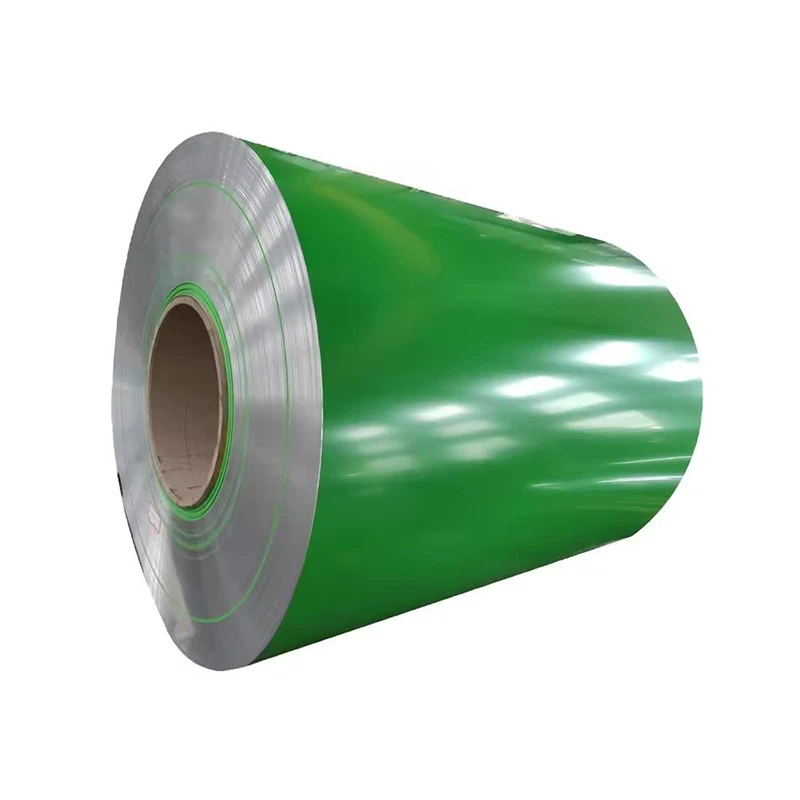
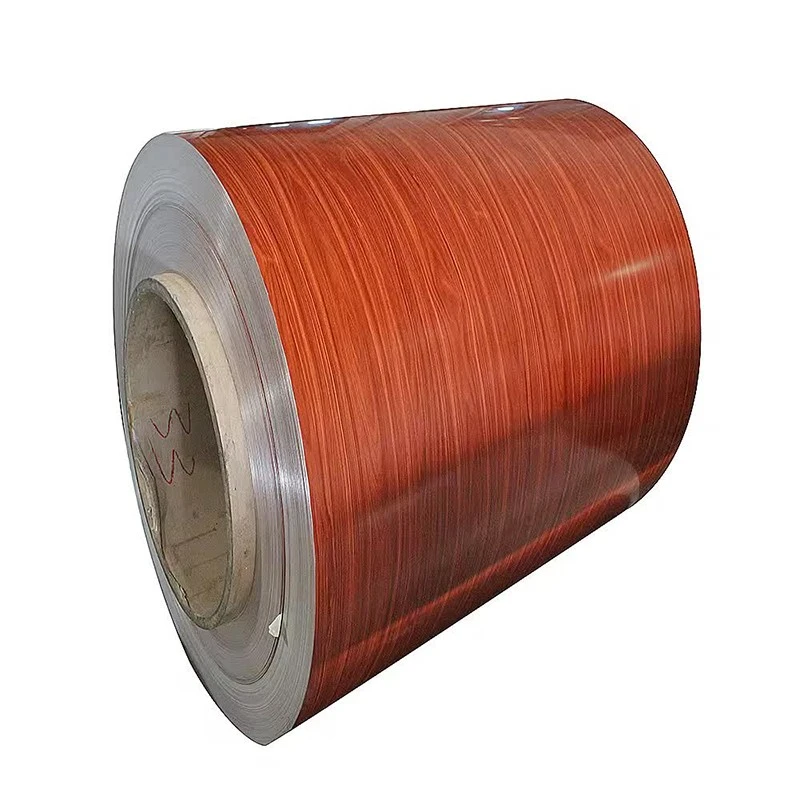
Coated aluminum coils, on the other hand, are often used in exterior and high - performance applications. In the construction industry, they are used for building facades, roofing, and window frames because of their durability and weather resistance. They are also used in the transportation industry, for example, in the manufacturing of airplanes and trains, where the materials need to be lightweight, strong, and resistant to corrosion. Check out our Aluminum Lacquered Coil and Pre Painted Aluminum Sheet for more details on our products.
Conclusion
So, to sum it up, the main differences between painted and coated aluminum coils lie in their composition, manufacturing process, performance, cost, and applications. Painted aluminum coils are more affordable and great for aesthetic, interior applications, while coated aluminum coils offer better durability and are suitable for harsh, exterior environments.
If you're in the market for aluminum coils and are trying to decide between painted and coated, I'd be more than happy to help. Just reach out to us, and we can discuss your specific needs and requirements. Whether you're working on a small DIY project or a large - scale industrial application, we've got the right aluminum coil for you. Don't hesitate to contact us to start the procurement negotiation process.
References
- "Aluminum Coil Technology Handbook"
- "Surface Coating Technology for Metals"
- Industry reports on aluminum products and their applications