

As a seasoned supplier of aluminum coils, I often encounter inquiries about the thickness range of these versatile products. Aluminum coils are used in a wide array of applications, from construction and automotive to packaging and electronics. Understanding the appropriate thickness for your specific needs is crucial for achieving the desired performance and cost - effectiveness. In this blog, I'll delve into the details of the thickness range of aluminum coils and offer insights to help you make informed decisions.
General Thickness Range of Aluminum Coils
Aluminum coils come in a broad spectrum of thicknesses, typically ranging from as thin as 0.05mm to as thick as 6.0mm. This wide range allows for customization to meet diverse industrial requirements.
Ultra - Thin Aluminum Coils (0.05mm - 0.2mm)
Ultra - thin aluminum coils are commonly used in applications where flexibility and light weight are of utmost importance. For instance, in the packaging industry, these thin coils are ideal for manufacturing food and beverage cans, foil wraps, and pharmaceutical packaging. Their thinness enables easy shaping and forming, while still providing a protective barrier against moisture, oxygen, and light.
In the electronics sector, ultra - thin aluminum coils are used in the production of capacitors, printed circuit boards (PCBs), and flexible displays. The thin material can be easily integrated into small and delicate electronic components, contributing to the miniaturization of devices.
Thin Aluminum Coils (0.2mm - 2.0mm)
Thin aluminum coils are perhaps the most commonly used type and find applications in a multitude of industries. In the construction industry, they are used for roofing, wall cladding, and ventilation systems. These coils are relatively easy to work with, can be cut, bent, and installed with standard equipment, and offer good corrosion resistance and aesthetic appeal.

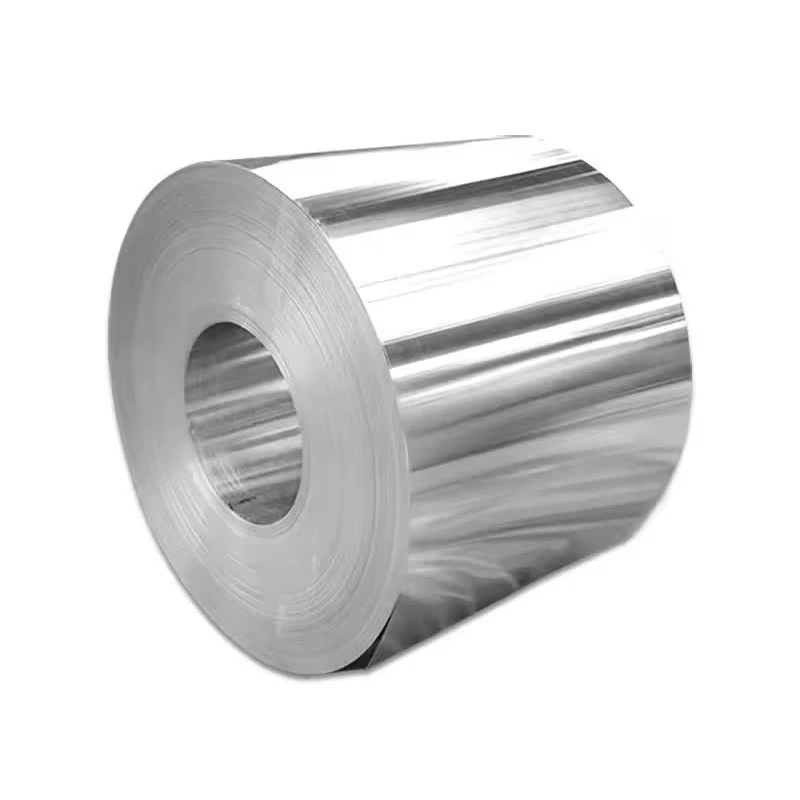
The automotive industry also makes extensive use of thin aluminum coils for body panels, heat exchangers, and interior trim. The reduced weight of aluminum compared to steel helps improve fuel efficiency, while still maintaining sufficient strength for many automotive applications.
Medium - Thick Aluminum Coils (2.0mm - 4.0mm)
Medium - thick aluminum coils are often used in applications that require greater strength and durability. In the aerospace industry, these coils are used for aircraft structures such as wing skins, fuselage panels, and landing gear components. The higher thickness provides the necessary structural integrity to withstand the extreme forces experienced during flight.
In the manufacturing of industrial machinery, medium - thick aluminum coils are used for machine frames, enclosures, and supports. Their strength and resistance to wear and tear make them suitable for heavy - duty applications.
Thick Aluminum Coils (4.0mm - 6.0mm)
Thick aluminum coils are employed in applications where exceptional strength is non - negotiable. They are used in the production of marine vessels, for example, hulls and decks. The high thickness provides resistance to the harsh marine environment, including corrosion from saltwater and mechanical stress from waves and collisions.
In the mining and construction equipment industries, thick aluminum coils are used for manufacturing components that need to withstand high - impact forces and heavy loads, such as buckets, blades, and frames.
Factors Affecting the Choice of Thickness
When selecting the appropriate thickness of an aluminum coil, several factors need to be considered:
Strength Requirements
The application's strength requirements are a primary determinant of the coil thickness. If the part needs to support heavy loads or withstand high - stress conditions, a thicker coil should be selected. For example, load - bearing structures in buildings or heavy - duty machinery need thicker aluminum coils to ensure safety and reliability.
Formability
The formability of the aluminum coil is also an important factor. Thinner coils are more flexible and easier to form into complex shapes, while thicker coils may be more challenging to bend, roll, or stamp. If the design of the final product involves intricate shaping, a thinner coil may be a better choice.
Corrosion Resistance
In applications where the aluminum coil will be exposed to corrosive environments, such as in coastal areas or chemical processing plants, a certain thickness may be required to ensure long - term corrosion resistance. Thicker coils may provide a greater reserve of material to withstand corrosion over time.
Cost
Cost is always a consideration in any project. Thicker aluminum coils generally cost more than thinner ones due to the increased amount of material used. However, it's important to balance the cost with the performance requirements. Sometimes, using a slightly thicker coil can reduce the need for additional reinforcement or maintenance, resulting in long - term cost savings.
Our Product Offerings
As a leading supplier of aluminum coils, we offer a wide range of thicknesses to meet the diverse needs of our customers. Whether you require ultra - thin coils for packaging applications or thick coils for heavy - duty industrial use, we have you covered.
Our Coated Aluminum Roll is available in various thicknesses and comes with a protective coating that enhances its corrosion resistance and aesthetic appeal. It is a popular choice for construction and automotive applications.
The Aluminium Coated Roll we offer is known for its high - quality coating and excellent performance. It can be customized to different thicknesses to fit specific project requirements.
For those in need of pre - painted options, our Prepainted Aluminum Coil is available in a variety of colors and thicknesses. It is ideal for architectural applications where both appearance and durability are important.
Contacts for Procurement Negotiation
If you're interested in purchasing aluminum coils or have any questions about the appropriate thickness for your application, we're here to assist you. Our team of experts can provide detailed product information, offer technical support, and work with you to find the best solution for your project.
References
- Aluminum Association. (n.d.). Aluminum Properties and Applications.
- ASM International. (2019). Aluminum and Aluminum Alloys Handbook.