

As a supplier of Paint Aluminum Coil, I've received numerous inquiries about the self - cleaning performance of this product. In this blog, I'll delve into the details of what the self - cleaning performance of paint aluminum coil entails, its significance, and how it impacts various applications.
Understanding the Self - Cleaning Mechanism of Paint Aluminum Coil
The self - cleaning performance of paint aluminum coil is primarily based on the properties of the coating applied to the aluminum surface. Specialized coatings are engineered to interact with natural elements such as rain and sunlight to remove dirt and pollutants.
One of the key technologies used in these coatings is photocatalysis. When exposed to sunlight, especially ultraviolet (UV) light, the photocatalytic substances in the coating become activated. Titanium dioxide (TiO₂) is a commonly used photocatalyst in self - cleaning coatings. When UV rays hit the TiO₂ particles in the coating, they generate electron - hole pairs. These pairs can react with water vapor and oxygen in the air, producing highly reactive hydroxyl radicals and superoxide anions. These reactive species have strong oxidative properties and can break down organic pollutants, such as dirt, grease, and airborne contaminants, into smaller, more soluble molecules.
Rainwater then plays a crucial role in the self - cleaning process. As it falls on the surface of the paint aluminum coil, it washes away the decomposed pollutants. The coating is designed to have a hydrophilic surface, which means that water spreads evenly across it rather than forming droplets. This even spread of water ensures that the decomposed contaminants are effectively rinsed off the surface, leaving the coil clean.
Significance of Self - Cleaning Performance
The self - cleaning performance of paint aluminum coil offers several significant advantages, which make it a popular choice in various industries.
Maintenance Savings
One of the most obvious benefits is the reduction in maintenance costs. In traditional building materials, regular cleaning is required to keep the exterior looking clean and presentable. This often involves hiring cleaning services, using specialized cleaning agents, and spending a significant amount of time and labor. With paint aluminum coil that has self - cleaning properties, the need for frequent manual cleaning is greatly reduced. This not only saves money but also minimizes the disruption caused by cleaning operations, especially in commercial and public buildings.
Aesthetic Appeal
The self - cleaning feature helps to maintain the aesthetic appeal of the building or structure over a long period. Dirt and pollutants can quickly accumulate on the surface of building materials, making them look dull and unappealing. Paint aluminum coil with self - cleaning performance can retain its original color and appearance for years, enhancing the overall visual impact of the building. Whether it's a modern office building, a shopping mall, or a residential complex, the clean and fresh look of the exterior can create a positive impression on visitors and passers - by.
Environmental Friendliness
The use of self - cleaning paint aluminum coil is also environmentally friendly. By reducing the need for chemical cleaning agents, it helps to minimize the release of harmful substances into the environment. Additionally, the long - term durability and reduced maintenance requirements mean that less energy and resources are consumed in the upkeep of the building. This aligns with the growing trend towards sustainable building practices and green construction.
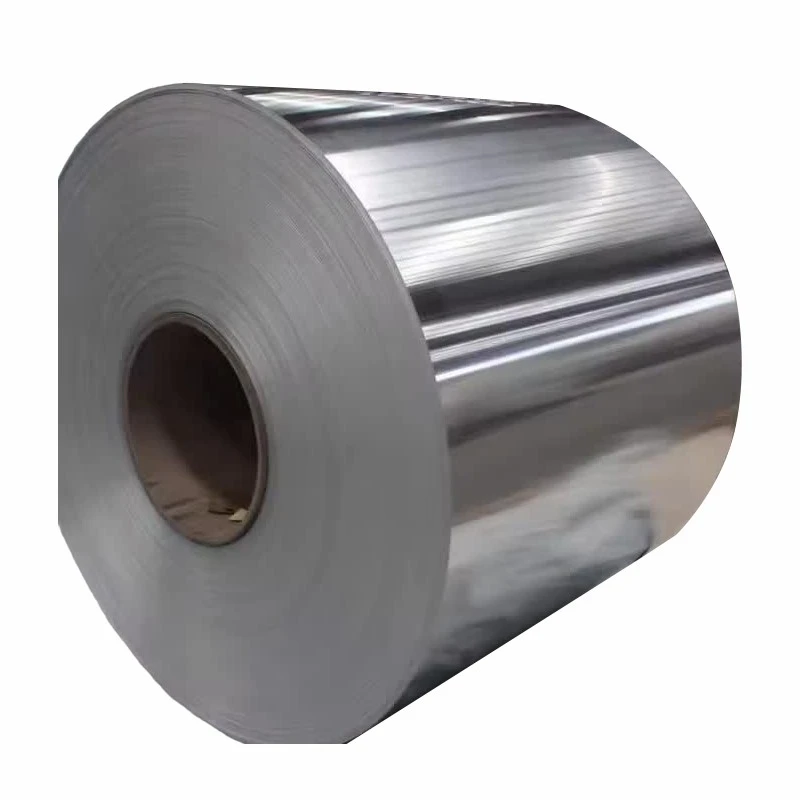
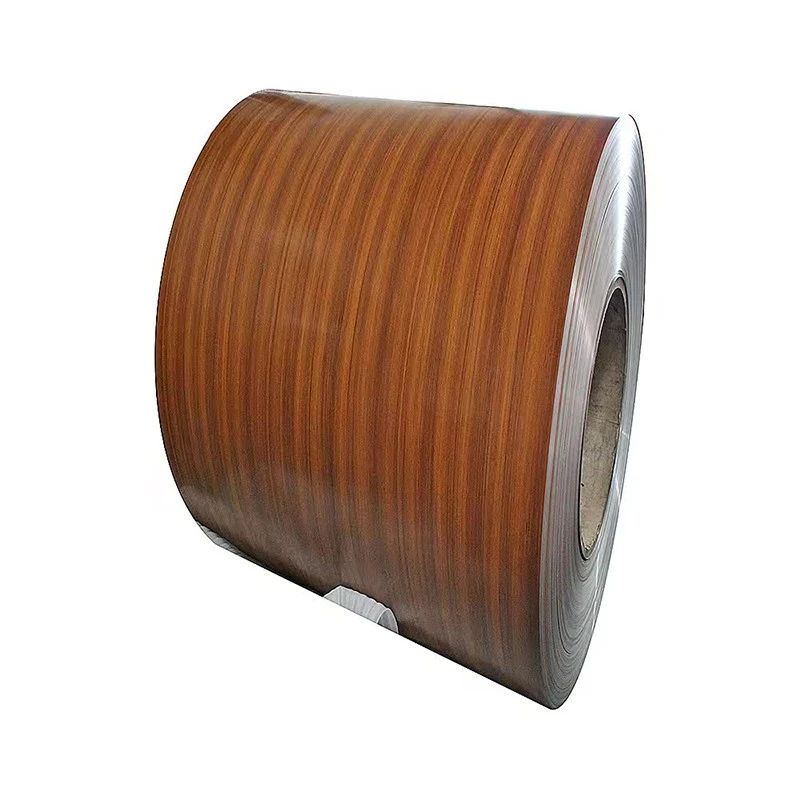
Applications of Paint Aluminum Coil with Self - Cleaning Performance
The self - cleaning paint aluminum coil has a wide range of applications across different industries.
Building and Construction
In the building and construction industry, it is commonly used for exterior wall cladding, roofing, and curtain walls. The self - cleaning property ensures that the building's exterior remains clean and attractive, even in areas with high levels of air pollution. For example, in urban areas where there are many vehicles and industrial emissions, paint aluminum coil can effectively resist the accumulation of dirt and exhaust fumes. It is also suitable for coastal areas, where salt spray and other environmental factors can cause corrosion and staining on traditional building materials.
Transportation
In the transportation industry, paint aluminum coil can be used for the exterior of trains, buses, and other vehicles. The self - cleaning feature helps to keep the vehicles looking clean and presentable, reducing the need for frequent washing. This is particularly important for public transportation, where a clean appearance can enhance the overall user experience and the reputation of the transportation service.
Industrial Equipment
In industrial settings, paint aluminum coil can be used for the enclosures of machinery and equipment. The self - cleaning performance helps to prevent the accumulation of dust, oil, and other contaminants, which can affect the performance and lifespan of the equipment. It also makes the equipment easier to maintain and inspect, as the surface remains clean and visible.
Our Paint Aluminum Coil Products
As a supplier, we offer a range of Paint Aluminum Coil with excellent self - cleaning performance. Our products are manufactured using the latest coating technologies to ensure the highest level of quality and durability.
We also provide Coating Aluminum Coil and Aluminum Lacquered Coil, which have different properties and applications. Our coating aluminum coil is designed to provide additional protection to the aluminum surface, while our aluminum lacquered coil offers a smooth and shiny finish.
Factors Affecting Self - Cleaning Performance
While the self - cleaning performance of paint aluminum coil is highly effective, several factors can influence its efficiency.
Sunlight Exposure
Since photocatalysis is a key part of the self - cleaning mechanism, the amount of sunlight the coil receives plays a crucial role. Areas with more sunlight will generally experience better self - cleaning results. In regions with limited sunlight or where the coil is installed in shaded areas, the self - cleaning process may be slower. However, even in these cases, the hydrophilic surface of the coating still allows for some level of self - cleaning when it rains.
Pollution Levels
The type and concentration of pollutants in the environment can also affect the self - cleaning performance. In areas with high levels of heavy industrial pollution or where there are large amounts of particulate matter, the coating may need to work harder to break down the contaminants. In some cases, very stubborn pollutants may require occasional manual cleaning to completely remove them.
Coating Quality
The quality of the coating itself is a significant factor. A high - quality coating will have a more effective photocatalytic system and a better - designed hydrophilic surface. At our company, we use advanced manufacturing processes and high - grade materials to ensure that our paint aluminum coil has a high - quality coating that provides optimal self - cleaning performance.
Conclusion
The self - cleaning performance of paint aluminum coil is a remarkable feature that offers numerous benefits in terms of maintenance savings, aesthetic appeal, and environmental friendliness. It has a wide range of applications in the building, transportation, and industrial sectors. As a supplier, we are committed to providing high - quality paint aluminum coil products that meet the diverse needs of our customers.
If you are interested in our paint aluminum coil products or would like to discuss your specific requirements, please feel free to contact us for a procurement negotiation. We look forward to working with you to find the best solution for your project.
References
- "Self - Cleaning Coatings: A Review" by X. Wang, Y. Zhao, and Z. Zhang. Journal of Materials Science, 2018.
- "Photocatalytic Self - Cleaning Materials and Their Applications" by A. Fujishima, X. Zhang, and D. Tryk. Surface Science Reports, 2008.
- "Hydrophilic and Superhydrophilic Surfaces and Materials" by M. Nosonovsky and B. Bhushan. Soft Materials, 2009.