

When it comes to selecting the right material for various applications, especially in construction and manufacturing, the choice between aluminium paint coils and zinc-coated coils is a crucial decision. As a supplier of Aluminium Paint Coils, I've witnessed firsthand the growing interest in understanding how these two materials stack up against each other in terms of performance. In this blog post, I'll delve into the key aspects of performance and compare aluminium paint coils with zinc-coated coils.
Corrosion Resistance
One of the most critical factors in evaluating the performance of metal coils is their corrosion resistance. Zinc-coated coils, also known as galvanized coils, have long been praised for their ability to protect against rust. The zinc layer acts as a sacrificial anode, corroding preferentially to the underlying steel. This process, known as galvanic protection, provides a reliable shield against moisture and oxygen, which are the primary culprits behind corrosion.
On the other hand, aluminium paint coils offer a different approach to corrosion resistance. The aluminium base itself has a natural oxide layer that provides some level of protection. However, the paint coating on aluminium coils adds an extra layer of defense. The paint acts as a barrier, preventing moisture and other corrosive elements from reaching the aluminium surface. Additionally, modern paint technologies are designed to be highly durable and resistant to environmental factors such as UV radiation, which can cause premature degradation of the coating.
In environments with high humidity or exposure to saltwater, zinc-coated coils may have an edge in the short term due to the galvanic protection. However, over time, the zinc layer can wear away, especially in harsh conditions. Aluminium paint coils, with their durable paint coating, can maintain their corrosion resistance for a longer period, making them a more suitable choice for long-term applications.
Aesthetic Appeal
Aesthetics play a significant role in many applications, especially in architectural and decorative projects. Zinc-coated coils typically have a dull, grayish appearance that may not be suitable for applications where a more attractive finish is required. While some zinc-coated products can be treated to achieve a more appealing look, the options are limited compared to aluminium paint coils.
Aluminium paint coils offer a wide range of color options and finishes, allowing for greater design flexibility. Whether you're looking for a glossy, metallic finish or a matte, textured look, there's an aluminium paint coil that can meet your aesthetic requirements. The paint coating can also be customized to mimic the appearance of other materials, such as wood or stone, providing a cost-effective alternative to more expensive materials.
In addition to the color and finish options, aluminium paint coils can maintain their appearance over time. The paint coating is resistant to fading and chalking, ensuring that the coils look as good as new for years to come. This makes aluminium paint coils a popular choice for applications where aesthetics are a top priority, such as building facades, signage, and interior design elements.
Weight and Durability
Weight is an important consideration in many applications, especially in industries where transportation and installation costs are a factor. Aluminium is a lightweight metal, which means that aluminium paint coils are generally lighter than zinc-coated coils of the same size and thickness. This can result in significant savings in transportation costs and make the installation process easier and more efficient.
Despite their lightweight nature, aluminium paint coils are highly durable. The aluminium base provides strength and rigidity, while the paint coating adds an extra layer of protection against damage. Aluminium is also resistant to dents and scratches, making it a suitable choice for applications where the coils may be subject to physical impact.
Zinc-coated coils, on the other hand, are typically heavier due to the additional weight of the zinc layer. While the zinc coating provides some protection against corrosion, it does not offer the same level of durability as the paint coating on aluminium coils. Zinc-coated coils are also more prone to dents and scratches, which can compromise their appearance and corrosion resistance.
Cost
Cost is always a factor when making a purchasing decision. The cost of zinc-coated coils and aluminium paint coils can vary depending on several factors, including the size, thickness, and quality of the coils, as well as the current market prices of zinc and aluminium.
In general, zinc-coated coils are more cost-effective in the short term, especially for large-scale projects. The initial cost of zinc-coated coils is typically lower than that of aluminium paint coils. However, when considering the long-term costs, including maintenance and replacement, aluminium paint coils may be a more economical choice.
As mentioned earlier, aluminium paint coils have better corrosion resistance and durability than zinc-coated coils, which means they require less maintenance and have a longer lifespan. This can result in significant cost savings over the life of the project. Additionally, the aesthetic appeal of aluminium paint coils can add value to the project, making them a more attractive option for customers.
Applications
Both aluminium paint coils and zinc-coated coils have a wide range of applications in various industries. Zinc-coated coils are commonly used in construction, automotive, and manufacturing industries, where corrosion resistance is a primary concern. They are often used for roofing, siding, gutters, and automotive parts.

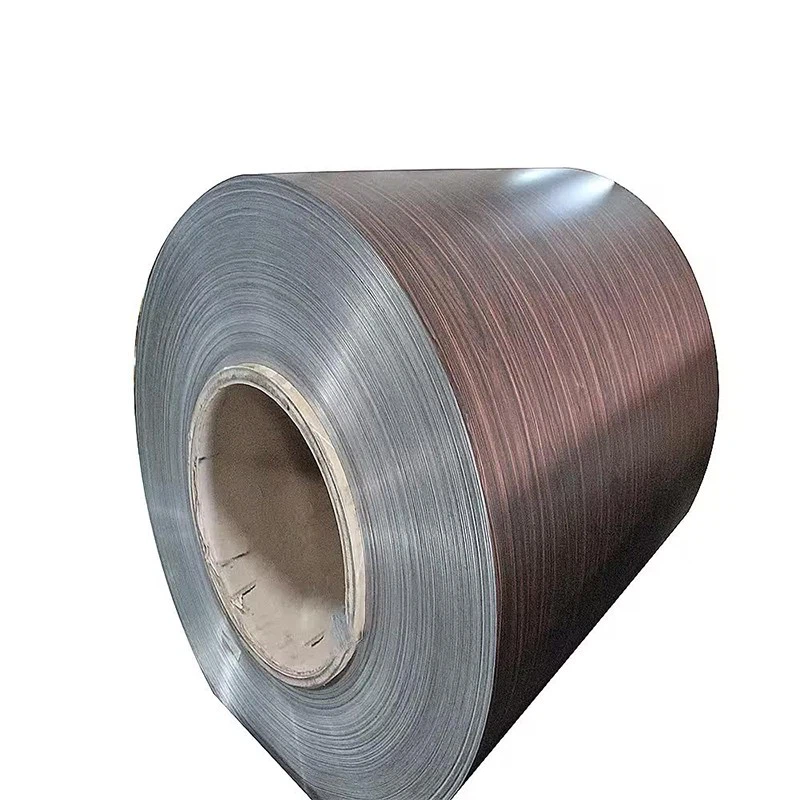
Aluminium paint coils, with their combination of corrosion resistance, aesthetic appeal, and lightweight nature, are suitable for a broader range of applications. In addition to the construction and automotive industries, aluminium paint coils are also used in the aerospace, electronics, and consumer goods industries. They are commonly used for building facades, signage, interior design elements, and electronic enclosures.
Conclusion
In conclusion, both aluminium paint coils and zinc-coated coils have their own advantages and disadvantages in terms of performance. The choice between the two depends on several factors, including the specific application, environmental conditions, aesthetic requirements, and budget.
As a supplier of Aluminium Paint Coils, I believe that aluminium paint coils offer a superior combination of performance, aesthetics, and cost-effectiveness. Their excellent corrosion resistance, wide range of color options, lightweight nature, and durability make them a versatile choice for a variety of applications.
If you're interested in learning more about our Premium Coils or Paint Aluminium Coil, or if you have any questions about how aluminium paint coils compare to zinc-coated coils, please don't hesitate to contact us. We'd be happy to discuss your specific requirements and help you make the right choice for your project.
References
- "Corrosion Resistance of Metals and Alloys" by Robert Winston Revie
- "Aluminium: Properties and Physical Metallurgy" by John E. Hatch
- "Galvanizing: A Guide to Hot-Dip Galvanizing" by the International Lead Zinc Research Organization