

What is the Quality Standard of Paint Aluminum Coil?
As a seasoned supplier of paint aluminum coils, I've witnessed firsthand the diverse requirements and high - expectations of our clients across various industries. The quality standard of paint aluminum coils is a complex and multi - faceted concept that encompasses numerous factors. In this blog, I'll delve into the key aspects that define the quality of paint aluminum coils.
1. Material Quality of the Aluminum Base
The foundation of a high - quality paint aluminum coil lies in the aluminum base material. The purity of the aluminum is of utmost importance. Generally, high - grade aluminum alloys such as 1000, 3000, and 5000 series are commonly used. The 1000 series, which is nearly pure aluminum, offers excellent corrosion resistance and high ductility. The 3000 series, with manganese as the main alloying element, provides good formability and moderate strength. The 5000 series, containing magnesium, is known for its high strength and good corrosion resistance in marine environments.
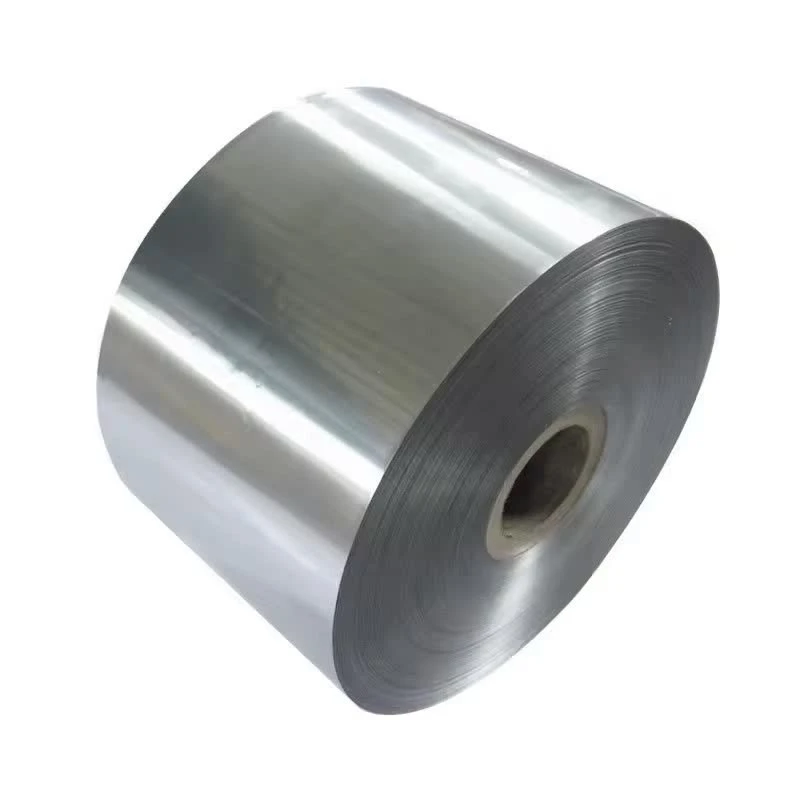
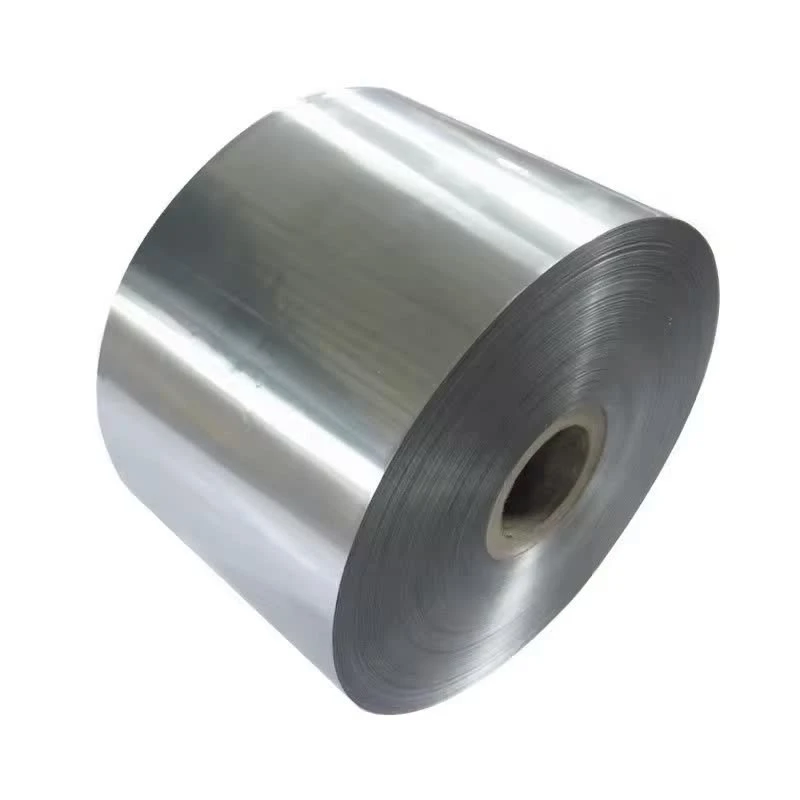
The thickness tolerance of the aluminum base also affects the quality. Precise thickness control ensures uniform coating and consistent performance of the paint aluminum coil. Any significant deviation from the specified thickness can lead to uneven painting, which may result in aesthetic and functional issues.
2. Coating Quality
The coating on the aluminum coil is what gives it its color, protection, and aesthetic appeal. There are several types of coatings commonly used on paint aluminum coils, including polyester, fluorocarbon, and epoxy coatings.
Polyester Coatings: These are cost - effective and offer good general - purpose protection. They have decent resistance to UV rays, weathering, and corrosion. However, compared to other coatings, their durability in harsh environments is relatively limited. Polyester - coated paint aluminum coils are suitable for applications where the exposure to extreme conditions is minimal, such as indoor decoration.
Fluorocarbon Coatings: Considered the gold standard in the industry, fluorocarbon coatings provide excellent long - term durability. They have outstanding resistance to UV radiation, chemical corrosion, and weathering. Fluorocarbon - coated paint aluminum coils can maintain their color and gloss for decades, even in the harshest outdoor environments. They are widely used in high - end architectural projects, such as building facades and curtain walls.
Epoxy Coatings: Epoxy coatings are known for their excellent adhesion and chemical resistance. They are often used in applications where the coil needs to withstand high levels of abrasion or chemical exposure, such as in industrial settings.
The coating thickness is another critical factor. A proper coating thickness ensures adequate protection and a smooth finish. Too thin a coating may not provide sufficient protection, while an overly thick coating can lead to cracking and peeling. The industry standard for coating thickness varies depending on the type of coating and the application, but typically ranges from 20 to 50 microns for most architectural applications.
3. Surface Finish
The surface finish of a paint aluminum coil significantly impacts its appearance and functionality. A smooth and uniform surface finish is desirable as it not only enhances the aesthetic appeal but also improves the coating's adhesion. Any surface defects, such as scratches, pits, or unevenness, can compromise the quality of the paint job and reduce the coil's overall performance.
The color consistency of the paint is also a key aspect of the surface finish. Color matching is crucial, especially for large - scale projects where multiple coils are used. Our company [not providing a company name as per instruction] uses advanced color - matching technology to ensure that the color of each coil is consistent with the specified color standard.
4. Mechanical Properties
The mechanical properties of paint aluminum coils, such as tensile strength, yield strength, and elongation, are essential for their performance in various applications. Tensile strength refers to the maximum stress that the coil can withstand before breaking, while yield strength is the stress at which the coil begins to deform plastically. Elongation measures the ability of the coil to stretch before breaking.
These mechanical properties are influenced by the alloy composition of the aluminum base and the manufacturing process. For example, proper heat treatment can improve the strength and ductility of the aluminum. In applications where the coil needs to be bent or formed, high elongation is particularly important to prevent cracking during the forming process.
5. Environmental Performance
In today's environmentally - conscious world, the environmental performance of paint aluminum coils is a significant concern. Our company is committed to producing coils that meet strict environmental standards. This includes using low - VOC (volatile organic compounds) coatings, which emit fewer harmful chemicals into the atmosphere during the painting process.
The paint aluminum coils should also be recyclable. Aluminum is a highly recyclable material, and by ensuring that our coils can be easily recycled at the end of their life cycle, we contribute to the sustainable use of resources.
6. Testing and Certification
To ensure that our paint aluminum coils meet the high - quality standards, we conduct a series of rigorous tests. These tests include adhesion tests to check the bonding strength between the coating and the aluminum base, salt spray tests to evaluate the corrosion resistance, and weathering tests to simulate long - term exposure to the elements.
We also obtain relevant certifications, such as ISO 9001 for quality management systems and ISO 14001 for environmental management systems. These certifications demonstrate our commitment to quality and environmental protection.
If you're in the market for high - quality paint aluminum coils, we invite you to explore our product range. You can find more information about our Color Aluminium Coil, Painted Aluminum Coil, and Painted Aluminium Coil on our website. Whether you're working on a small - scale DIY project or a large - scale architectural development, our paint aluminum coils are designed to meet your specific needs. Contact us today to discuss your requirements and start a procurement negotiation.
References
- ASM Handbook Committee. (2007). ASM Handbook Volume 2: Properties and Selection: Nonferrous Alloys and Special - Purpose Materials. ASM International.
- Aluminum Association. (2022). Aluminum Design Manual. Aluminum Association.