

Yo! As a supplier of 3003 aluminum coil, I get asked a lot about what the elongation of 3003 aluminum coil is. So, I thought I'd write this blog to break it down for you all.
First off, let's talk a bit about 3003 aluminum coil. It's a really popular choice in the industry. 3003 is an alloy that has manganese as its main alloying element. This gives it better strength compared to pure aluminum. It's widely used in various applications like roofing, gutters, automotive parts, and even in some packaging.
Now, to the main question: what is elongation? Elongation is basically a measure of how much a material can stretch before it breaks. It's usually expressed as a percentage. When we talk about the elongation of 3003 aluminum coil, it depends on a few factors.
One of the biggest factors is the temper of the aluminum coil. Temper refers to the hardness and ductility of the metal, which is achieved through heat treatment and cold working. For 3003 aluminum coil, common tempers include H12, H14, H16, H18, and O.
The O temper, which is the annealed state, has the highest elongation. In this state, the 3003 aluminum coil is very soft and ductile. It can typically have an elongation of around 25 - 30%. This means that if you have a 100 - inch long piece of 3003 aluminum coil in the O temper, it can stretch up to 25 - 30 inches more before it breaks. This high elongation makes it great for applications where you need to form the aluminum into complex shapes, like deep - drawn parts.
On the other hand, tempers like H18 are much harder. The H18 temper is a full - hard temper, and the elongation of 3003 aluminum coil in this temper is much lower, usually around 3 - 5%. This makes it more suitable for applications where you need strength and rigidity, like in some structural components.
The thickness of the 3003 aluminum coil also plays a role in its elongation. Generally, thinner coils tend to have higher elongation values compared to thicker ones. This is because thinner materials are more flexible and can deform more easily without breaking.
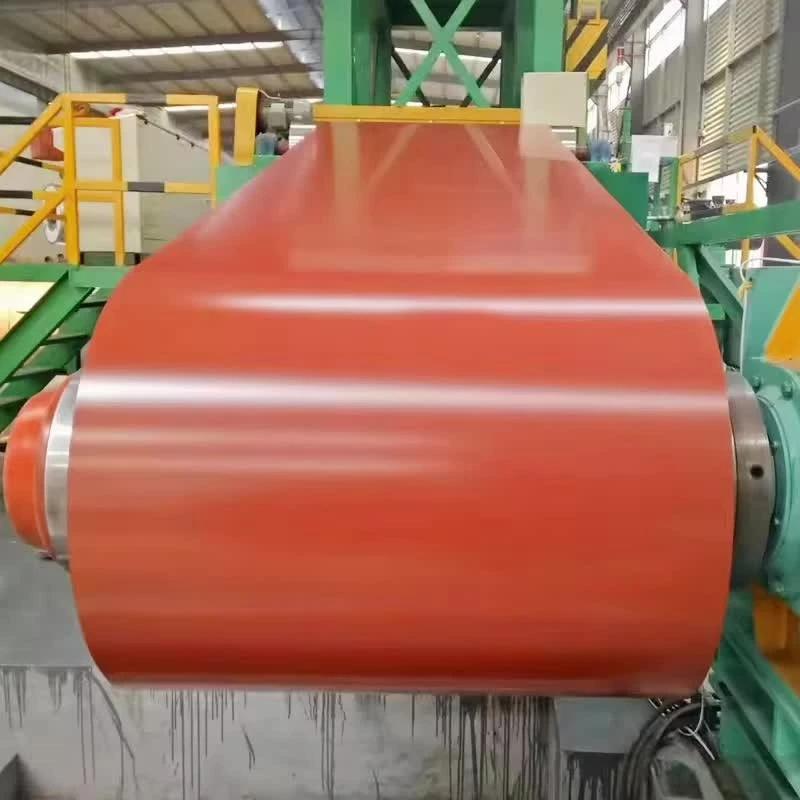
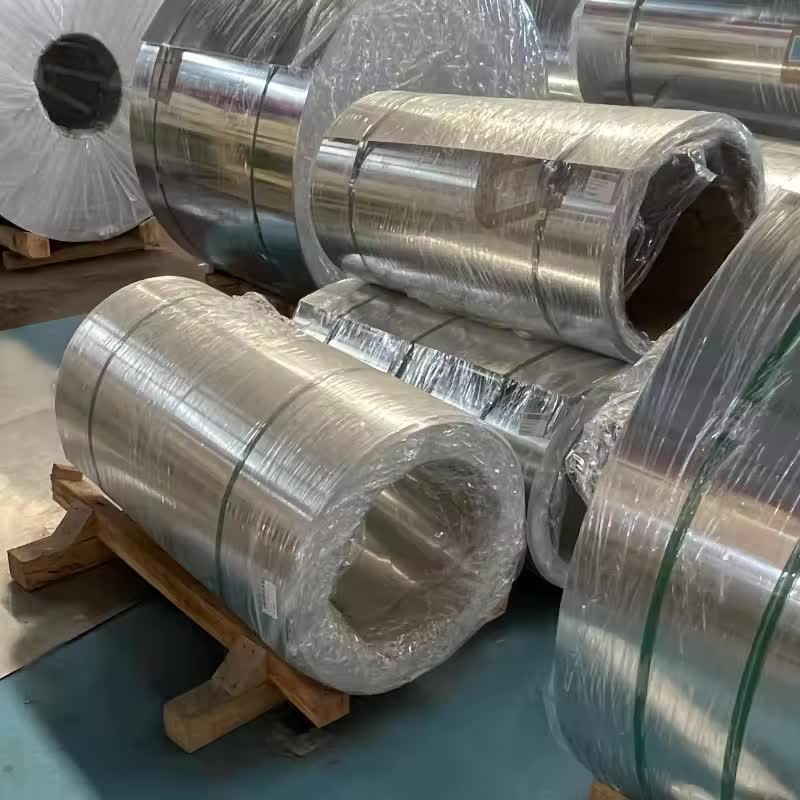
Another factor is the manufacturing process. If the coil is produced with high - quality control and proper processing techniques, it will have more consistent elongation properties. For example, a well - rolled 3003 aluminum coil will have a more uniform grain structure, which leads to more predictable elongation.
Now, why is knowing the elongation of 3003 aluminum coil so important? Well, if you're in a manufacturing process that involves bending, stretching, or forming the aluminum, you need to know how much the material can stretch. If you try to stretch it beyond its elongation limit, it will crack or break, which can lead to wasted materials and production delays.
Let's say you're making a custom - shaped aluminum panel for a building facade. You need to choose the right temper of 3003 aluminum coil based on how much bending and stretching it will go through during the fabrication process. If you choose a temper with too low elongation, the panel may crack when you try to form it into the desired shape.
If you're interested in other types of aluminum products, we also offer Aluminum Paint Coil, Prefinished Aluminum Coils, and Aluminum Coated Roll. These products have their own unique properties and applications, and the elongation characteristics can also vary depending on the specific product and its temper.
As a supplier, I can provide you with detailed information about the elongation of our 3003 aluminum coil. We test each batch to ensure that it meets the industry standards. Whether you need a high - elongation O - temper coil for complex forming or a low - elongation H18 temper for structural purposes, we've got you covered.
If you're in the market for 3003 aluminum coil or any of our other aluminum products, don't hesitate to reach out. We can discuss your specific requirements, provide samples, and give you a competitive quote. Whether you're a small - scale manufacturer or a large - scale construction company, we're here to help you find the right aluminum solution for your project.
So, if you have any questions or want to start a procurement discussion, just drop us a message. We're looking forward to working with you!
References:
- Aluminum Association publications on aluminum alloys and their properties
- Industry - standard materials testing handbooks