

Hey there! As a supplier of Aluminum Paint Roll, I often get asked about the difference between an aluminum paint roll and regular paint. So, I thought I'd sit down and write this blog to clear up any confusion you might have.
Let's start with the basics. Regular paint is something we're all familiar with. You can find it in hardware stores, and it comes in all sorts of colors and finishes. You use a brush, roller, or spray gun to apply it to surfaces like walls, furniture, or cars. It's a great option for small - scale projects and for giving a fresh look to your home or personal belongings.
On the other hand, an Aluminum Paint Roll is a pre - painted aluminum product. It's basically a long roll of aluminum that has already been coated with paint at the factory. This means that when you get your hands on an aluminum paint roll, it's ready to use right away. No need for the hassle of mixing paint, preparing the surface, and applying multiple coats.
1. Durability
One of the biggest differences between an aluminum paint roll and regular paint is durability. Regular paint, while it can last for a fair amount of time, is more prone to wear and tear. It can chip, peel, or fade over time, especially if it's exposed to harsh weather conditions, chemicals, or physical abrasion.
Aluminum paint rolls, however, are designed to be extremely durable. The paint on these rolls is applied using advanced coating technologies that ensure a strong bond with the aluminum substrate. This makes them resistant to scratches, corrosion, and UV radiation. Whether it's for outdoor signage, building facades, or industrial applications, an aluminum paint roll can withstand the test of time much better than regular paint.
For example, if you paint a metal fence with regular paint, after a few years of exposure to rain, sun, and wind, you'll probably notice that the paint has started to peel and rust is beginning to form. But if you use an aluminum paint roll for the same fence, it will maintain its color and finish for a much longer period, saving you the time and money of repainting.
2. Application Process
The application process is another area where aluminum paint rolls and regular paint differ significantly. Applying regular paint is a multi - step process. First, you need to prepare the surface by cleaning it, sanding it, and sometimes priming it. Then, you have to apply the paint in thin, even coats, allowing each coat to dry before applying the next one. This can be a time - consuming and messy job, especially for large surfaces.
With an aluminum paint roll, the application is much simpler. Since the paint is already on the roll, all you need to do is cut the roll to the desired size and shape and then install it on the surface. This can be done using adhesives, mechanical fasteners, or welding, depending on the application. It's a much faster and more efficient way to get a painted surface, especially for large - scale projects.
Imagine you're working on a commercial building project. If you were to paint the exterior walls with regular paint, it would take a team of painters several days or even weeks to complete the job. But if you use aluminum paint rolls, the installation can be done in a matter of days, reducing the overall project timeline and labor costs.
3. Aesthetic Appeal
When it comes to aesthetic appeal, both aluminum paint rolls and regular paint have their own advantages. Regular paint offers a wide range of colors and finishes, from matte to glossy, and you can create custom color mixes to suit your specific needs. This gives you a lot of flexibility in terms of design.
Aluminum paint rolls also come in a variety of colors and finishes, but they often have a more uniform and professional look. The factory - applied paint on these rolls ensures a consistent color and finish across the entire surface, which can be very important for applications where a high - quality appearance is required, such as architectural projects or high - end consumer products.
For instance, if you're designing a modern building facade, an aluminum paint roll can give you a sleek and contemporary look that is hard to achieve with regular paint. The smooth and even finish of the paint roll adds a touch of elegance to the building, enhancing its overall aesthetic appeal.
4. Cost - effectiveness
Cost is always a consideration when choosing between different painting options. At first glance, an aluminum paint roll might seem more expensive than regular paint. However, when you factor in the long - term costs, aluminum paint rolls can actually be more cost - effective.
As mentioned earlier, regular paint requires more labor and time for application, and it may need to be repainted more frequently due to its lower durability. This means that over the life of a project, the total cost of using regular paint can be much higher than using an aluminum paint roll.
Aluminum paint rolls, although they have a higher upfront cost, offer a longer lifespan and require less maintenance. This makes them a more economical choice in the long run, especially for large - scale or high - traffic applications.
5. Environmental Impact
In today's world, environmental impact is an important consideration. Regular paint often contains volatile organic compounds (VOCs), which are harmful chemicals that can be released into the atmosphere during the painting process. These VOCs can contribute to air pollution and have negative health effects on humans and the environment.
Many aluminum paint rolls, on the other hand, are designed to be more environmentally friendly. The coating processes used for these rolls often involve low - VOC or VOC - free paints, which reduce the amount of harmful emissions. Additionally, aluminum is a recyclable material, so at the end of its life cycle, an aluminum paint roll can be recycled, reducing waste and conserving natural resources.
Types of Aluminum Paint Rolls
There are different types of aluminum paint rolls available in the market, such as Aluminum Lacquered Coil and Pre Painted Aluminum Coil. Aluminum lacquered coils have a lacquer coating that provides an extra layer of protection and a high - gloss finish. They are often used for applications where a shiny and reflective appearance is desired, like in interior decoration or automotive parts.

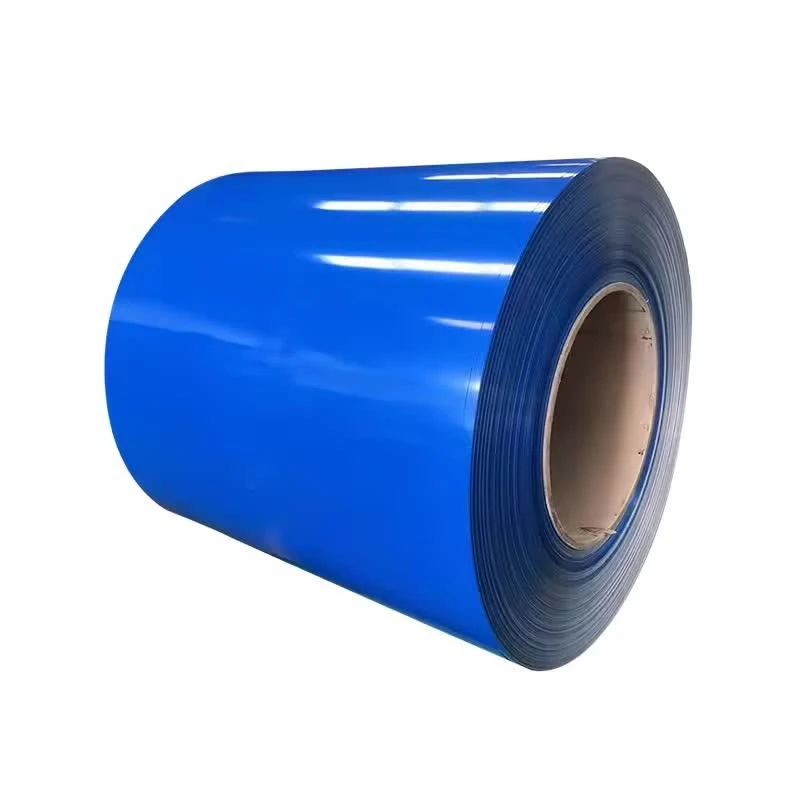
Pre - painted aluminum coils, on the other hand, come in a wide range of colors and finishes and are suitable for various applications, from building construction to consumer goods.
If you're in the market for a durable, easy - to - install, and aesthetically pleasing painting solution, an aluminum paint roll might be the perfect choice for you. Whether you're an architect, a contractor, or a DIY enthusiast, our aluminum paint rolls can meet your needs.
We're here to help you find the right product for your project. If you have any questions about our aluminum paint rolls, or if you're interested in a quote, don't hesitate to reach out. We'd love to have a chat with you and discuss how our products can work for you.
References
- "Coating Technology for Metals" by Mary Jane McPherson
- "Aluminum: Properties and Physical Metallurgy" by John E. Hatch
So, that's the lowdown on the difference between an aluminum paint roll and regular paint. I hope this blog has been helpful to you. If you have any more questions, feel free to leave a comment below or contact us.