

Does ACP for Ceiling Expand and Contract with Temperature Changes?
As a supplier of ACP (Aluminum Composite Panel) for ceilings, I often get asked about how these panels behave under different temperature conditions. The question of whether ACP for ceilings expands and contracts with temperature changes is not only important for installers but also for end - users who want to ensure the long - term performance and aesthetics of their ceiling installations.
Understanding the Basics of ACP
ACP consists of two thin aluminum sheets bonded to a non - aluminum core, usually made of polyethylene (PE) or a fire - resistant material. The combination of these materials gives ACP its unique properties, such as lightweight, high strength, and good formability. However, each component of ACP has different thermal expansion coefficients, which play a crucial role in how the panel responds to temperature changes.
The aluminum sheets on the outer layers of ACP have a relatively high thermal expansion coefficient. Aluminum expands when heated and contracts when cooled. According to scientific research, the linear thermal expansion coefficient of aluminum is approximately 23.1×10⁻⁶ /°C. This means that for every degree Celsius increase in temperature, a one - meter length of aluminum will expand by about 0.0231 millimeters.
On the other hand, the core material also has its own thermal expansion characteristics. Polyethylene, a common core material in ACP, has a thermal expansion coefficient that is generally higher than that of aluminum. This difference in thermal expansion coefficients between the aluminum sheets and the core is what causes the overall ACP panel to expand and contract with temperature changes.
Expansion and Contraction Mechanisms
When the temperature rises, both the aluminum sheets and the core material in the ACP panel start to expand. However, due to the difference in their expansion rates, internal stresses are generated within the panel. If these stresses are not properly managed, they can lead to various problems such as warping, buckling, or delamination of the panel.
For example, in a hot environment, the core material may expand more rapidly than the aluminum sheets. This can cause the panel to bulge or warp, especially if it is installed in a way that restricts its natural expansion. Conversely, when the temperature drops, the panel contracts. If the installation does not allow for sufficient contraction, the panel may crack or develop other forms of damage.
To illustrate this, let's consider a large - scale ceiling installation using ACP panels. Suppose the installation is done on a relatively cool day. As the temperature rises during the summer months, the ACP panels will expand. If the panels are installed too tightly together without any expansion joints, the internal stresses can build up to a point where the panels start to deform.
Impact on Ceiling Installations
The expansion and contraction of ACP for ceilings can have several implications for ceiling installations. One of the most obvious impacts is on the aesthetics of the ceiling. Warped or buckled panels can make the ceiling look uneven and unprofessional. This is particularly important in commercial spaces where the appearance of the ceiling can significantly affect the overall impression of the environment.
In addition to aesthetics, the structural integrity of the ceiling can also be compromised. Delamination of the ACP panels, which can occur due to excessive internal stresses caused by temperature - related expansion and contraction, can weaken the panel and make it more susceptible to damage. This can pose a safety risk, especially in areas where the ceiling is at a significant height.
Another aspect to consider is the long - term durability of the ceiling. Repeated expansion and contraction cycles over time can cause fatigue in the materials, leading to premature aging and failure of the ACP panels. This means that regular maintenance and inspection may be required to ensure the continued performance of the ceiling.
Mitigating the Effects of Temperature Changes
As a supplier, we understand the importance of addressing the issue of expansion and contraction in ACP for ceiling installations. There are several strategies that can be employed to mitigate the effects of temperature changes.
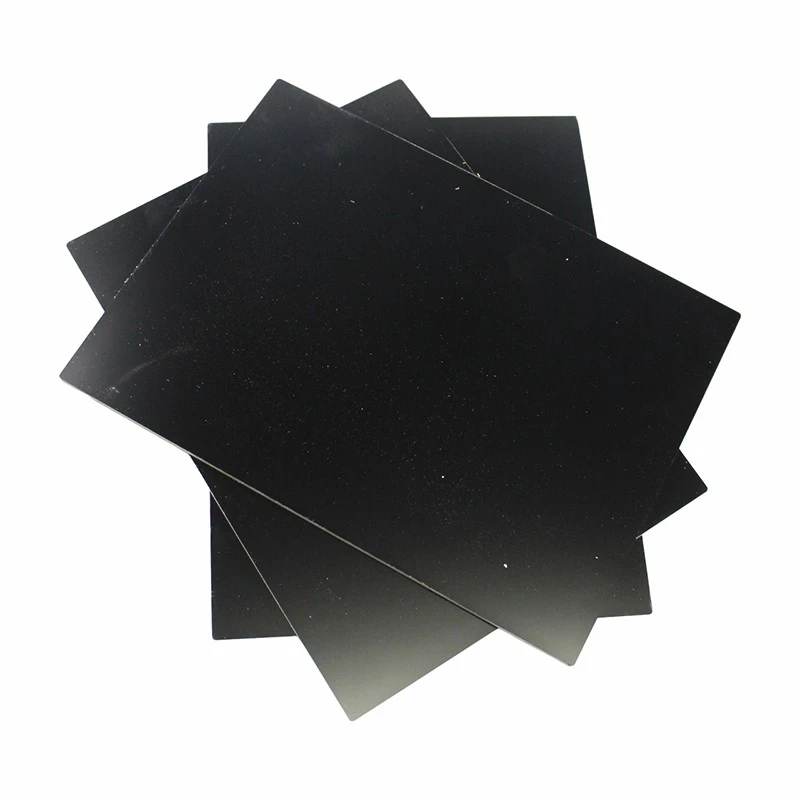

One of the most effective ways is to design and install expansion joints. Expansion joints are gaps left between the ACP panels to allow for their natural expansion and contraction. The size of the expansion joints depends on several factors, including the expected temperature range in the installation area, the length of the panels, and the type of ACP used.
Proper installation techniques are also crucial. Installers should ensure that the panels are not installed too tightly and that there is enough room for movement. Additionally, using appropriate adhesives and fasteners that can accommodate the movement of the panels is essential.
Another option is to choose ACP panels with a more stable core material. For example, some ACP panels are available with a fire - resistant core that has a lower thermal expansion coefficient compared to traditional polyethylene cores. These panels are less likely to experience significant expansion and contraction, reducing the risk of damage.
We also offer Aluminum Composite Sign Panel Sheet and ACM PVDF which have been engineered to have better thermal stability. These products are suitable for ceiling installations in areas with extreme temperature variations, providing a more reliable solution for our customers.
Conclusion
In conclusion, ACP for ceilings does expand and contract with temperature changes due to the different thermal expansion coefficients of its components. This natural phenomenon can have significant impacts on the aesthetics, structural integrity, and durability of ceiling installations. However, by understanding the mechanisms behind expansion and contraction and implementing appropriate mitigation strategies, such as using expansion joints, proper installation techniques, and high - quality ACP products, these issues can be effectively managed.
As a supplier, we are committed to providing our customers with the best advice and products to ensure successful ACP ceiling installations. Whether you are an installer, architect, or end - user, we are here to help you make the right choices for your project. If you are interested in purchasing ACP for your ceiling installation or have any questions about our products, such as ACP Metal Sheet, please feel free to contact us for a detailed discussion and to start the procurement process.
References
- "Thermal Expansion of Materials" - A standard materials science textbook.
- Industry reports on the performance of ACP in different environmental conditions.
- Technical data sheets provided by ACP manufacturers.