

Hey there! As a supplier of Acp Mirror Sheets, I often get asked about the bending radius of these sheets. It's a crucial question, especially for those in the construction and design industries who are looking to use these sheets for various projects. So, let's dive right in and explore what the bending radius of Acp Mirror Sheets is all about.
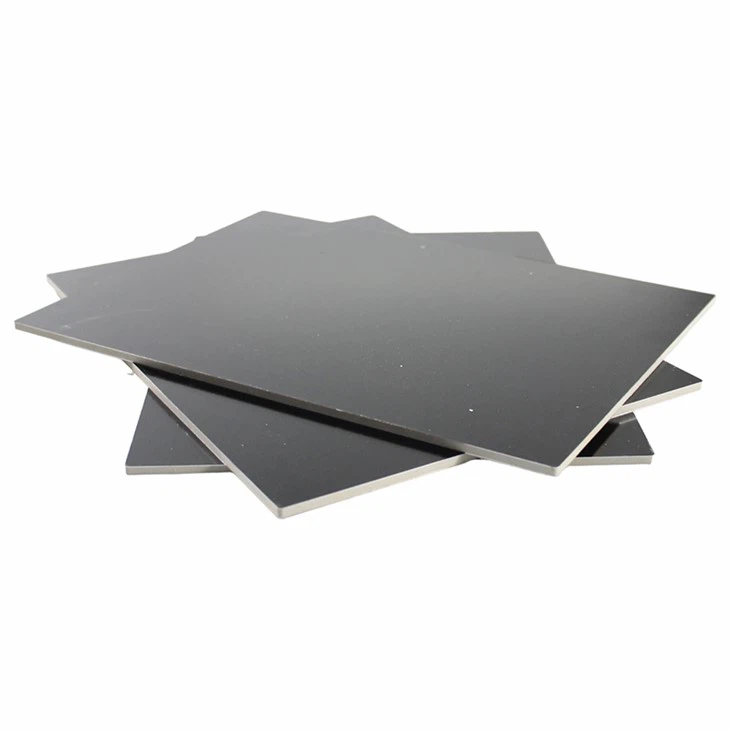
First off, let's understand what Acp Mirror Sheets are. Acp stands for Aluminum Composite Panel. These panels consist of two aluminum sheets bonded to a non - aluminum core, usually made of polyethylene or fire - resistant materials. The mirror finish on these panels gives them a sleek, reflective look that can add a touch of modernity and elegance to any building or structure. You can check out our Mirror Aluminum Composite Panel for more details.
Now, what exactly is the bending radius? The bending radius is the minimum radius to which a sheet can be bent without causing damage to the material. When we talk about Acp Mirror Sheets, the bending radius is influenced by several factors.
One of the most important factors is the thickness of the sheet. Thicker sheets generally have a larger bending radius compared to thinner ones. For example, a 3mm thick Acp Mirror Sheet may have a different bending radius than a 6mm thick one. A thinner sheet is more flexible and can be bent to a smaller radius. This is because the material in a thinner sheet can deform more easily without cracking or delaminating.
The type of core material also plays a role. As I mentioned earlier, Acp sheets can have different core materials. Polyethylene cores are more flexible than fire - resistant cores. So, if you're using an Acp Mirror Sheet with a polyethylene core, you might be able to achieve a smaller bending radius compared to a sheet with a fire - resistant core.
The quality of the bonding between the aluminum sheets and the core is another crucial factor. A well - bonded panel will be able to withstand bending better than a panel with poor bonding. If the bonding is weak, the panel may delaminate during the bending process, which is a big no - no.
So, what are the typical bending radii for Acp Mirror Sheets? Well, it's hard to give a one - size - fits - all answer. But generally, for a standard 4mm thick Acp Mirror Sheet with a polyethylene core, the minimum bending radius can be around 100mm. However, this can vary depending on the specific product and the bending method used.
There are different ways to bend Acp Mirror Sheets. One common method is cold bending. Cold bending is done at room temperature and is suitable for smaller bending radii. It's a relatively simple process, but it requires some skill to ensure that the panel doesn't get damaged. Another method is hot bending, where the panel is heated to make it more pliable. Hot bending can be used for larger bending radii and more complex shapes.
When it comes to applications, the bending radius of Acp Mirror Sheets is very important. In architectural projects, these sheets are often used for curved facades, columns, and decorative elements. For a curved facade, the bending radius needs to be carefully calculated to ensure a smooth and seamless look. If the bending radius is too large, the curve may look too gentle and not achieve the desired aesthetic effect. On the other hand, if the bending radius is too small, the panel may crack or delaminate.
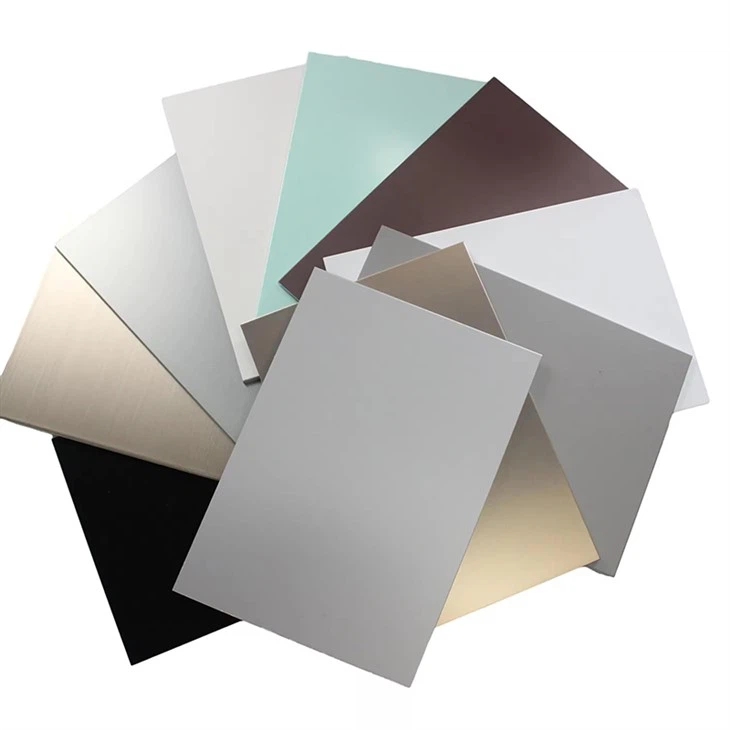
In interior design, Acp Mirror Sheets can be used for creating unique wall features, partitions, and even furniture. The ability to bend these sheets allows designers to create custom - made pieces that stand out. For example, a curved partition made of Acp Mirror Sheets can add a sense of movement and style to a room.
We also offer other types of aluminum composite panels, such as PVDF Coating Aluminum Composite Panel and Perforated Aluminium Composite Panel. These panels may have different bending characteristics compared to Acp Mirror Sheets, but the general principles of bending radius still apply.
If you're planning to use Acp Mirror Sheets in your project, it's important to work with a professional who has experience in bending these sheets. They can help you determine the appropriate bending radius based on your specific requirements. They'll also have the right tools and techniques to ensure that the bending is done correctly.
Before you start bending, make sure to test a small sample of the sheet. This will give you an idea of how the sheet behaves under bending and whether you can achieve the desired radius. It's always better to be safe than sorry!
In conclusion, the bending radius of Acp Mirror Sheets is a complex topic that depends on several factors such as thickness, core material, and bonding quality. Understanding these factors and working with a professional can help you achieve the best results in your projects.
If you're interested in purchasing Acp Mirror Sheets or have any questions about the bending radius or our other products, don't hesitate to get in touch. We're here to help you with all your aluminum composite panel needs. Whether you're an architect, interior designer, or a contractor, we can provide you with high - quality panels and the expertise to ensure your project is a success.
References:
- Industry standards and guidelines for aluminum composite panels
- Manufacturer's specifications for Acp Mirror Sheets