

As a supplier of Coating Aluminum Coil, I've received numerous inquiries about the adhesion strength of the coating on an aluminum coil. This is a critical factor that significantly impacts the performance, durability, and aesthetic appeal of the final product. In this blog, I'll delve into what adhesion strength is, why it matters, the factors affecting it, and how we ensure high - quality adhesion in our Coating Aluminum Coils.
What is Adhesion Strength?
Adhesion strength refers to the force required to separate the coating from the aluminum coil substrate. It is a measure of the bond between the coating material and the aluminum surface. A strong adhesion means that the coating will remain firmly attached to the aluminum, providing long - term protection and maintaining its appearance. On the other hand, poor adhesion can lead to coating delamination, blistering, and premature failure of the coated aluminum coil.
Why Does Adhesion Strength Matter?
- Protection: The primary function of a coating on an aluminum coil is to protect it from environmental factors such as corrosion, UV radiation, and chemical exposure. A coating with high adhesion strength forms a continuous and effective barrier, preventing these harmful elements from reaching the aluminum surface. For example, in outdoor applications like building facades or roofing, a well - adhered coating can significantly extend the lifespan of the aluminum coil, reducing maintenance costs and replacement frequency.
- Aesthetics: A coating with good adhesion maintains its smooth and uniform appearance over time. It prevents issues like peeling or flaking, which can make the aluminum coil look unsightly. This is particularly important in applications where the appearance of the product is a key consideration, such as in interior design or automotive parts.
- Performance: In some industrial applications, the coating on the aluminum coil may need to withstand mechanical stress, abrasion, or extreme temperatures. A strong adhesion ensures that the coating can endure these conditions without losing its integrity, thus maintaining the overall performance of the product.
Factors Affecting Adhesion Strength
Surface Preparation
The preparation of the aluminum coil surface is one of the most crucial factors affecting adhesion strength. A clean, smooth, and properly treated surface provides a better foundation for the coating to bond. Any contaminants such as oil, grease, dirt, or oxidation on the aluminum surface can act as a barrier, preventing the coating from adhering properly.
We use advanced surface treatment techniques, including degreasing, chemical conversion coating, and mechanical abrasion, to ensure that the aluminum surface is in optimal condition for coating. For instance, a chemical conversion coating can create a thin layer on the aluminum surface that improves the chemical bonding between the aluminum and the coating.
Coating Material
The type and quality of the coating material also play a significant role in adhesion strength. Different coating materials have different chemical and physical properties, which affect their ability to bond with the aluminum surface. For example, epoxy - based coatings are known for their excellent adhesion to metals, while some acrylic coatings may offer better UV resistance but require careful formulation to achieve good adhesion.
We carefully select high - quality coating materials that are specifically formulated for use on aluminum coils. Our coatings are tested to ensure that they meet or exceed industry standards for adhesion strength, as well as other performance criteria such as hardness, flexibility, and chemical resistance.
Coating Application Process
The way the coating is applied to the aluminum coil can have a major impact on adhesion strength. Factors such as coating thickness, application temperature, and curing conditions all need to be carefully controlled.
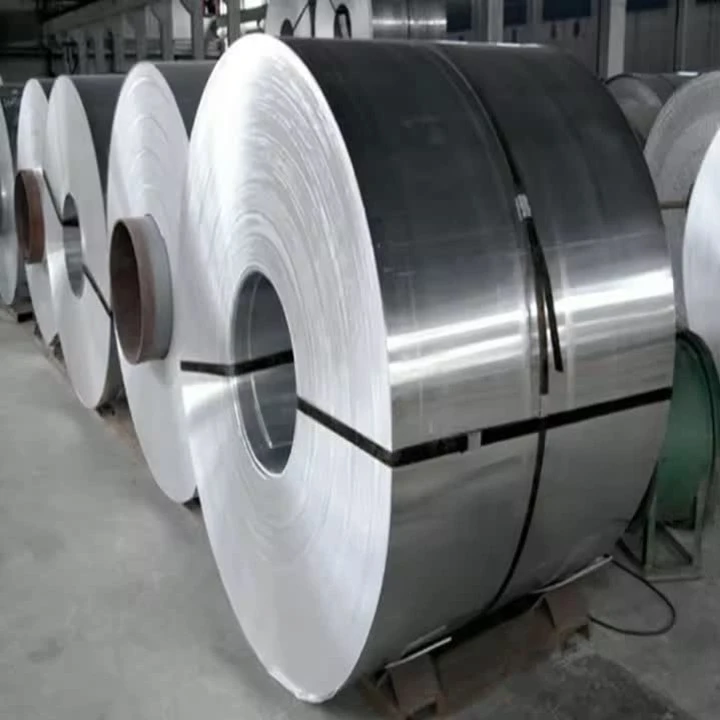
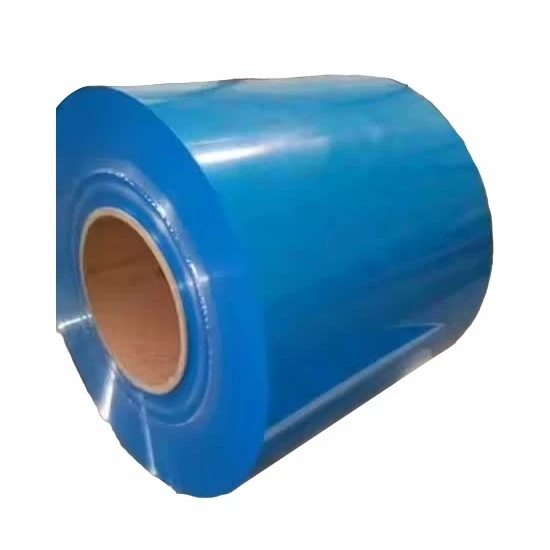
If the coating is applied too thickly, it may not cure properly, leading to poor adhesion. On the other hand, a coating that is too thin may not provide adequate protection. We use precision coating equipment and follow strict application procedures to ensure that the coating is applied evenly and at the correct thickness. Additionally, we carefully control the curing process, which involves heating the coated aluminum coil to a specific temperature for a set period of time to ensure that the coating fully cures and forms a strong bond with the aluminum surface.
Environmental Conditions
The environmental conditions during the coating process and after application can also affect adhesion strength. High humidity, extreme temperatures, or rapid changes in temperature can all have a negative impact on the adhesion of the coating.
For example, if the coating is applied in a high - humidity environment, water vapor can become trapped between the coating and the aluminum surface, causing blistering and poor adhesion. We closely monitor and control the environmental conditions in our coating facilities to ensure that the coating process is carried out under optimal conditions.
How We Ensure High Adhesion Strength in Our Coating Aluminum Coils
As a leading supplier of Coating Aluminum Coils, we are committed to providing products with the highest level of adhesion strength. We have a comprehensive quality control system in place that covers every stage of the production process, from raw material selection to final product inspection.
- Advanced Technology and Equipment: We invest in state - of - the - art coating technology and equipment to ensure precise and consistent coating application. Our coating lines are equipped with advanced automation systems that allow us to control all aspects of the coating process, including surface preparation, coating thickness, and curing temperature.
- Rigorous Testing: We conduct a series of tests to evaluate the adhesion strength of our Coating Aluminum Coils. These tests include cross - hatch adhesion tests, pull - off adhesion tests, and peel tests. By regularly testing our products, we can ensure that they meet or exceed the required standards for adhesion strength.
- Continuous Research and Development: We are constantly researching and developing new coating materials and application techniques to improve adhesion strength and other performance characteristics of our Coating Aluminum Coils. Our R & D team works closely with industry experts and customers to understand their needs and develop innovative solutions.
Our Product Range
We offer a wide range of Coating Aluminum Coils to meet the diverse needs of our customers. Our product portfolio includes Aluminium Paint Coil, Aluminum Sheet Coil, and Pre Painted Aluminium Coil. Each of these products is designed with high - quality coatings and excellent adhesion strength, suitable for various applications in different industries.
Contact Us for Procurement
If you are interested in our Coating Aluminum Coils and want to learn more about our products' adhesion strength, or if you have specific requirements for your project, we encourage you to contact us. Our experienced sales team is ready to provide you with detailed product information, technical support, and competitive quotes. We look forward to establishing long - term partnerships with you and meeting your coating aluminum coil needs.
References
- ASTM D3359 - Standard Test Methods for Measuring Adhesion by Tape Test
- ISO 4624 - Paints and varnishes -- Pull - off test for adhesion
- "Surface Engineering for Adhesion" by D. D. Duvall and C. A. Dostal