

Hey there! As a supplier of Coated Aluminum Roll, I'm super stoked to walk you through the production processes of this awesome product. Coated Aluminum Roll is widely used in various industries due to its durability, aesthetics, and versatility. So, let's dive right in!
1. Raw Material Preparation
The first step in making Coated Aluminum Roll is sourcing high - quality aluminum coils. We usually get our aluminum from reliable suppliers. The quality of the raw aluminum is crucial as it forms the base of our coated product. The aluminum coils come in different alloys, and we choose the one based on the specific requirements of the end - use. For example, if the Coated Aluminum Roll is going to be used in a high - strength application, we might pick an alloy with better mechanical properties.
Once we have the aluminum coils, we perform a thorough inspection. We check for any surface defects, thickness variations, or other irregularities. This ensures that only the best - quality aluminum goes into the production process. After inspection, the coils are cleaned to remove any dirt, grease, or oxides on the surface. A chemical cleaning process is often used, which involves immersing the coils in a cleaning solution. This step is vital as it helps the coating adhere better to the aluminum surface.
2. Surface Treatment
After cleaning, the aluminum coils undergo surface treatment. This is an important step that enhances the adhesion of the coating and improves the corrosion resistance of the final product. One common surface treatment method is chromate conversion coating. In this process, the aluminum coils are immersed in a chromate solution, which forms a thin, protective layer on the surface. This layer not only provides corrosion protection but also acts as a primer for the subsequent coating.
Another surface treatment option is anodizing. Anodizing creates an oxide layer on the aluminum surface through an electrochemical process. This oxide layer is hard, durable, and can be further dyed to achieve different colors. Anodized Coated Aluminum Roll is often used in applications where a high - end finish and excellent corrosion resistance are required, such as in architectural facades.
3. Coating Application
Now comes the fun part - applying the coating! There are different types of coatings that can be used on aluminum rolls, such as paint, lacquer, and powder coating.

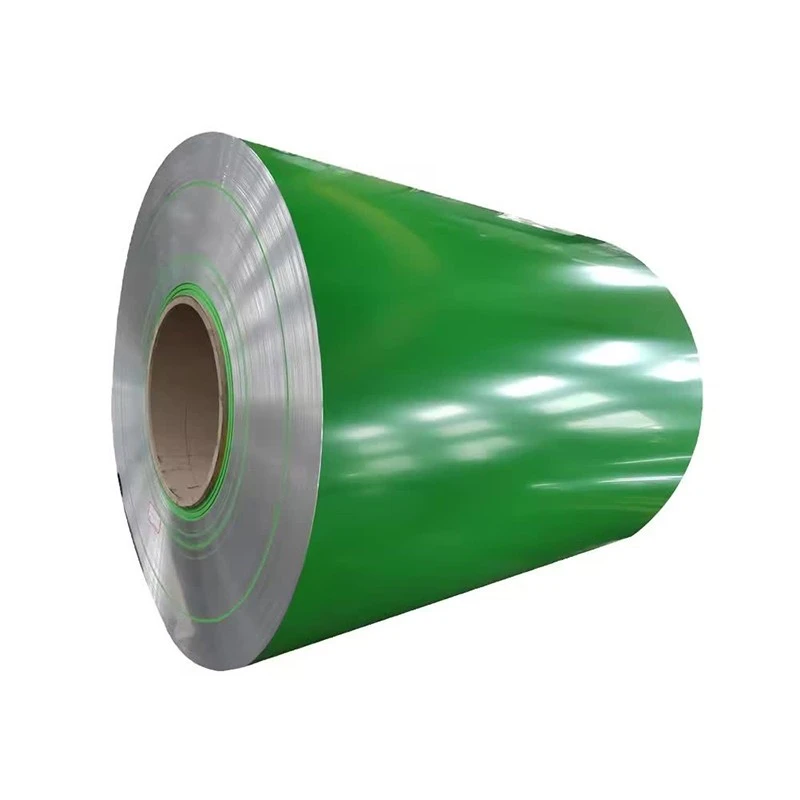
Paint Coating
Paint coating is a popular choice as it offers a wide range of colors and finishes. The paint is usually applied using a roll - to - roll coating process. In this process, the aluminum coil passes through a series of coating stations. At each station, a thin layer of paint is applied to the surface of the coil. The number of coating layers depends on the desired thickness and quality of the finish. After each coating layer is applied, the coil goes through a drying oven to cure the paint. The temperature and time in the oven are carefully controlled to ensure proper curing.
Lacquer Coating
Lacquer coating provides a high - gloss, smooth finish. Similar to paint coating, it can be applied using a roll - to - roll process. Lacquer coatings are known for their excellent weather resistance and scratch resistance. If you're interested in Aluminum Lacquered Coil, you'll find that it's a great option for applications where a shiny and durable finish is needed, like in automotive trim or consumer electronics.
Powder Coating
Powder coating is an environmentally friendly option. In this process, a dry powder is electrostatically applied to the aluminum surface. The charged powder particles adhere to the grounded aluminum coil. Then, the coated coil is heated in an oven, where the powder melts and fuses to form a continuous, smooth coating. Powder coating offers excellent durability, chemical resistance, and a wide range of color options.
4. Quality Control
Throughout the production process, quality control is of utmost importance. We have a team of quality control experts who monitor every step. They check the thickness of the coating, the adhesion of the coating to the aluminum surface, and the overall appearance of the Coated Aluminum Roll.
We use various testing methods to ensure the quality of our products. For example, we perform adhesion tests by making cross - cuts on the coated surface and then applying adhesive tape. If the coating doesn't peel off when the tape is removed, it indicates good adhesion. We also test the corrosion resistance of the Coated Aluminum Roll by exposing it to a salt - spray environment for a certain period.
5. Cutting and Packaging
Once the Coated Aluminum Roll has passed all the quality control tests, it's time for cutting and packaging. The rolls are cut into the desired lengths and widths according to the customer's specifications. We use high - precision cutting machines to ensure accurate cuts.
After cutting, the Coated Aluminum Roll is carefully packaged to prevent damage during transportation. We usually use protective films and packaging materials to wrap the rolls. This helps to keep the surface of the roll clean and free from scratches.
6. Final Inspection and Storage
Before the Coated Aluminum Roll is shipped to the customer, a final inspection is carried out. This is a last - minute check to make sure that everything is in perfect condition. The rolls are inspected for any visible defects, and the packaging is also checked for integrity.
If the Coated Aluminum Roll passes the final inspection, it is stored in a proper warehouse. The warehouse is maintained at a suitable temperature and humidity to prevent any damage to the product during storage.
As a Coated Aluminum Roll supplier, we're committed to providing high - quality products that meet the diverse needs of our customers. Whether you're looking for Aluminium Coating Coil for architectural projects or Pre Coated Aluminium for industrial applications, we've got you covered.
If you're interested in our Coated Aluminum Roll products, don't hesitate to reach out for a quote or to discuss your specific requirements. We're always here to help you find the best solution for your project.
References
- "Aluminum Coating Technology" by John Smith
- "Surface Treatment of Aluminum Alloys" by Jane Doe
- Industry reports on Coated Aluminum Roll production processes