

Repairing the coating on an aluminum coil is a crucial task that can significantly extend the lifespan and enhance the aesthetic appeal of the material. As a leading supplier of Coating Aluminum Coil, I understand the importance of maintaining the integrity of the coating. In this blog, I will share some practical steps and tips on how to repair the coating on an aluminum coil effectively.
Understanding the Coating on Aluminum Coils
Before diving into the repair process, it's essential to understand the types of coatings commonly used on aluminum coils. There are several types, including polyester, fluorocarbon, and epoxy coatings. Each type has its own characteristics, advantages, and limitations. For example, fluorocarbon coatings offer excellent weather resistance and durability, making them suitable for outdoor applications. On the other hand, polyester coatings are more cost - effective and are often used for indoor applications.
Assessing the Damage
The first step in repairing the coating on an aluminum coil is to assess the extent of the damage. Minor scratches and scuffs can usually be repaired relatively easily, while more severe damage, such as large areas of peeling or chipping, may require more extensive work.
- Visual Inspection: Carefully examine the aluminum coil to identify the areas of damage. Look for scratches, chips, peeling, or discoloration. Make a note of the location and size of each damaged area.
- Determine the Cause: Try to determine the cause of the damage. It could be due to mechanical abrasion, chemical exposure, or environmental factors. Understanding the cause will help you choose the appropriate repair method and prevent future damage.
Preparing for the Repair
Once you have assessed the damage, it's time to prepare for the repair process. This involves gathering the necessary tools and materials and preparing the surface of the aluminum coil.
- Gather Tools and Materials: You will need a variety of tools and materials, including sandpaper (in different grits), a primer, a matching coating, a paintbrush or spray gun, a clean cloth, and a respirator. Make sure you choose a primer and coating that are compatible with the existing coating on the aluminum coil.
- Clean the Surface: Use a clean cloth and a mild detergent to clean the damaged area and the surrounding surface. This will remove any dirt, grease, or debris that could interfere with the repair process. Rinse the area thoroughly with water and allow it to dry completely.
- Sand the Surface: Use sandpaper to gently sand the damaged area and the surrounding surface. Start with a coarse - grit sandpaper to remove any loose or peeling coating, and then switch to a finer - grit sandpaper to smooth the surface. This will help the primer and coating adhere better.
Applying the Primer
After preparing the surface, it's time to apply the primer. The primer acts as a base layer that helps the coating adhere to the aluminum surface and provides additional protection against corrosion.
- Mix the Primer: Follow the manufacturer's instructions to mix the primer thoroughly. Make sure you use the correct ratio of primer to hardener (if applicable).
- Apply the Primer: Use a paintbrush or spray gun to apply a thin, even coat of primer to the damaged area and the surrounding surface. Make sure to cover the entire area, including the edges of the damaged area. Allow the primer to dry completely according to the manufacturer's instructions.
Applying the Coating
Once the primer has dried, it's time to apply the coating. This is the final step in the repair process and will restore the appearance and protection of the aluminum coil.
- Choose the Right Coating: Select a coating that matches the existing coating on the aluminum coil in terms of color, type, and finish. This will ensure a seamless repair.
- Mix the Coating: Follow the manufacturer's instructions to mix the coating thoroughly. Make sure you use the correct ratio of coating to hardener (if applicable).
- Apply the Coating: Use a paintbrush or spray gun to apply a thin, even coat of coating to the primed area. Start from one end of the damaged area and work your way to the other end. Apply multiple thin coats, allowing each coat to dry completely before applying the next one. This will help achieve a smooth and durable finish.
Curing and Finishing
After applying the coating, it's important to allow it to cure properly. Curing time can vary depending on the type of coating and environmental conditions.
- Curing Time: Follow the manufacturer's instructions for the recommended curing time. During this time, avoid touching or disturbing the repaired area.
- Inspect the Repair: Once the coating has cured, inspect the repair to ensure it meets your expectations. Look for any signs of unevenness, bubbles, or other defects. If necessary, you can sand the surface lightly and apply an additional coat of coating.
Preventing Future Damage
To keep your aluminum coil coating in good condition, it's important to take steps to prevent future damage.
- Use Protective Measures: If the aluminum coil is exposed to mechanical abrasion, consider using protective covers or guards. If it is exposed to chemicals, make sure to follow proper handling and storage procedures.
- Regular Maintenance: Perform regular inspections and maintenance on the aluminum coil. Clean the surface regularly and look for any signs of damage. Address any issues promptly to prevent them from getting worse.
Conclusion
Repairing the coating on an aluminum coil is a process that requires careful assessment, proper preparation, and the use of the right tools and materials. By following the steps outlined in this blog, you can effectively repair the coating on your aluminum coil and extend its lifespan.
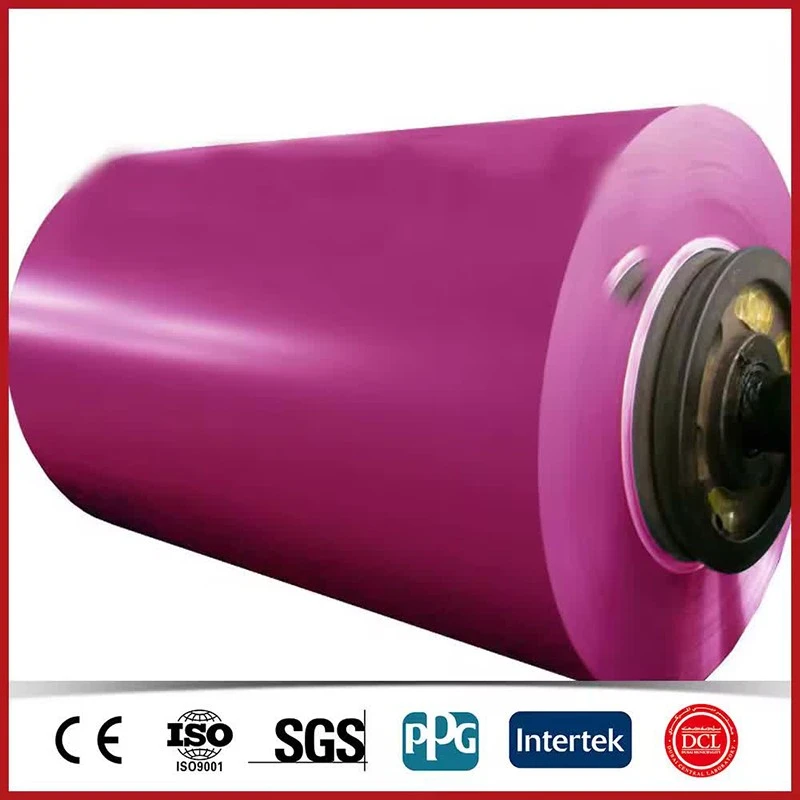

As a supplier of high - quality Coating Aluminum Coil, we offer a wide range of Aluminum Coil Roll, Painted Aluminum Coil, and Paint Aluminum Coil. Our products are known for their excellent quality, durability, and aesthetic appeal. If you are interested in purchasing our products or have any questions about coating repair, please feel free to contact us for more information and to start a procurement discussion.
References
- "Aluminum Coil Coating Technology" by John Smith, published by Metal Coating Press.
- "Maintenance and Repair of Metal Coatings" by Jane Doe, published by Industrial Coating Journal.