

When embarking on a project that involves the use of aluminum coil, there are numerous design considerations that must be taken into account to ensure the success of the endeavor. As an experienced aluminum coil supplier, I have witnessed firsthand the importance of these factors in various applications, from construction to automotive and beyond. In this blog post, I will delve into the key design considerations when using aluminum coil in a project, providing insights and guidance based on my industry knowledge and expertise.
Material Properties
One of the first design considerations when using aluminum coil is the material properties. Aluminum is a versatile metal known for its lightweight, corrosion resistance, and high strength-to-weight ratio. These properties make it an ideal choice for a wide range of applications, but it is essential to select the right alloy and temper to meet the specific requirements of the project.
Alloy Selection
Aluminum alloys are classified into different series based on their chemical composition and properties. The most common series used in aluminum coil applications include the 1xxx, 3xxx, 5xxx, and 6xxx series. Each series has its own unique characteristics, making it suitable for different applications.
- 1xxx Series: This series consists of pure aluminum with a minimum aluminum content of 99%. It is known for its excellent corrosion resistance, high thermal conductivity, and good formability. However, it has relatively low strength compared to other alloys, making it more suitable for applications where strength is not a primary concern, such as electrical conductors and heat exchangers.
- 3xxx Series: These alloys contain manganese as the primary alloying element, which provides moderate strength and good corrosion resistance. They are commonly used in applications such as roofing, siding, and automotive trim, where a combination of strength and formability is required.
- 5xxx Series: Alloys in this series contain magnesium as the primary alloying element, offering high strength, good corrosion resistance, and excellent weldability. They are often used in marine applications, such as boat hulls and decks, as well as in automotive and aerospace components.
- 6xxx Series: These alloys contain magnesium and silicon as the primary alloying elements, providing a good balance of strength, formability, and corrosion resistance. They are widely used in architectural applications, such as window frames and curtain walls, as well as in automotive and industrial components.
Temper Selection
The temper of an aluminum coil refers to its mechanical properties, which are determined by the heat treatment and cold working processes it has undergone. The most common tempers for aluminum coil include annealed (O), strain-hardened (H), and solution heat-treated and artificially aged (T).
- Annealed (O) Temper: This temper is achieved by heating the aluminum coil to a specific temperature and then slowly cooling it. It results in a soft and ductile material with good formability but relatively low strength. Annealed aluminum coils are often used in applications where extensive forming operations are required, such as deep drawing and bending.
- Strain-Hardened (H) Temper: Strain-hardening is a process in which the aluminum coil is cold worked, such as by rolling or stretching, to increase its strength. The H temper is further classified into different subgroups based on the amount of cold work and the degree of strain-hardening. For example, H12 indicates a quarter-hard temper, while H14 indicates a half-hard temper. Strain-hardened aluminum coils are commonly used in applications where high strength and good formability are required, such as in automotive body panels and structural components.
- Solution Heat-Treated and Artificially Aged (T) Temper: This temper is achieved by heating the aluminum coil to a specific temperature to dissolve the alloying elements, followed by rapid quenching and then artificial aging at a lower temperature to precipitate the alloying elements and increase the strength. The T temper is further classified into different subgroups based on the specific heat treatment and aging processes used. For example, T6 indicates solution heat treatment followed by artificial aging to peak strength. Solution heat-treated and artificially aged aluminum coils are often used in applications where high strength and good corrosion resistance are required, such as in aerospace and automotive components.
Surface Finish
The surface finish of an aluminum coil can have a significant impact on its appearance, durability, and performance. There are several surface finish options available for aluminum coil, each with its own advantages and disadvantages.
Mill Finish
Mill finish is the natural, uncoated surface of the aluminum coil as it comes from the mill. It has a smooth, shiny appearance and is often used in applications where a simple, clean look is desired, such as in architectural applications and industrial equipment. Mill finish aluminum coil is relatively inexpensive and has good corrosion resistance, but it may be prone to scratching and staining.
Anodized Finish
Anodizing is an electrochemical process that creates a protective oxide layer on the surface of the aluminum coil. This oxide layer provides enhanced corrosion resistance, wear resistance, and a decorative finish. Anodized aluminum coil is available in a variety of colors and finishes, including clear, black, bronze, and gold, making it suitable for a wide range of applications, such as architectural facades, automotive trim, and consumer electronics.
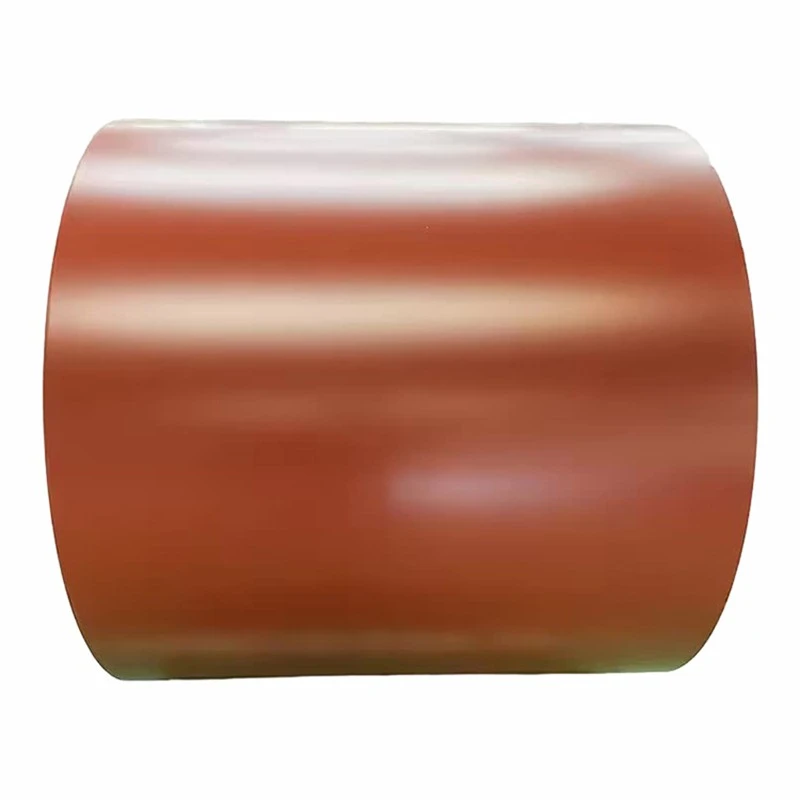

Painted Finish
Painted finish involves applying a layer of paint or coating to the surface of the aluminum coil to provide additional protection and enhance its appearance. There are different types of paints and coatings available, including Aluminum Paint Coil and Color Coating Aluminum Coil, each with its own properties and performance characteristics. Painted aluminum coil is commonly used in applications where a specific color or finish is required, such as in automotive body panels, building facades, and household appliances.
Dimensional Requirements
The dimensional requirements of an aluminum coil, such as thickness, width, and length, are critical design considerations that must be carefully specified to ensure a proper fit and performance in the project.
Thickness
The thickness of an aluminum coil is an important factor that affects its strength, stiffness, and formability. Thicker coils generally have higher strength and stiffness but may be more difficult to form. The required thickness of the aluminum coil will depend on the specific application and the design requirements, such as the load-bearing capacity and the desired level of flexibility.
Width
The width of the aluminum coil is determined by the manufacturing process and the specific requirements of the application. Wider coils can reduce the number of joints and seams in the project, which can improve the overall appearance and performance. However, wider coils may also be more difficult to handle and transport.
Length
The length of the aluminum coil can vary depending on the manufacturing capabilities and the specific requirements of the project. Longer coils can reduce the number of joints and seams, which can improve the efficiency of the installation process. However, longer coils may also require special handling and storage facilities.
Formability
Formability refers to the ability of the aluminum coil to be shaped and formed into the desired geometry without cracking or breaking. It is an important design consideration, especially in applications where complex shapes and tight bends are required.
Bend Radius
The bend radius is the minimum radius that the aluminum coil can be bent without cracking or breaking. It is determined by the material properties, thickness, and temper of the coil, as well as the bending method used. A smaller bend radius requires a more ductile material and a more precise bending process.
Stretch Forming
Stretch forming is a process in which the aluminum coil is stretched over a die to form a three-dimensional shape. It is commonly used in applications such as automotive body panels and aerospace components. The formability of the aluminum coil in stretch forming is influenced by its material properties, thickness, and temper, as well as the stretching ratio and the die design.
Deep Drawing
Deep drawing is a process in which the aluminum coil is drawn into a die cavity to form a cup-shaped or box-shaped part. It is often used in applications such as food containers and automotive fuel tanks. The formability of the aluminum coil in deep drawing is affected by its material properties, thickness, and temper, as well as the drawing ratio and the die design.
Joining Methods
The joining method used to connect the aluminum coil to other components or structures is another important design consideration. There are several joining methods available for aluminum coil, each with its own advantages and disadvantages.
Welding
Welding is a common method used to join aluminum coil to other aluminum components or structures. It provides a strong and permanent connection but requires specialized equipment and skills. There are different types of welding processes available for aluminum, such as gas tungsten arc welding (GTAW), gas metal arc welding (GMAW), and friction stir welding (FSW). Each process has its own advantages and limitations, and the choice of welding process will depend on the specific application and the design requirements.
Riveting
Riveting is a mechanical joining method that involves inserting a rivet through holes in the aluminum coil and other components and then deforming the rivet to create a permanent connection. It is a relatively simple and cost-effective method, but it may not provide as strong a connection as welding. Riveting is commonly used in applications where disassembly may be required in the future, such as in automotive and aerospace components.
Adhesive Bonding
Adhesive bonding involves using an adhesive to bond the aluminum coil to other components or structures. It provides a strong and flexible connection, and it can be used to join dissimilar materials. Adhesive bonding is often used in applications where a smooth and seamless appearance is desired, such as in architectural applications and consumer electronics. However, it requires careful surface preparation and curing conditions to ensure a reliable bond.
Cost Considerations
Cost is always an important factor in any project, and the choice of aluminum coil will have a significant impact on the overall cost. When considering the cost of aluminum coil, it is important to take into account not only the initial purchase price but also the long-term costs associated with its use, such as maintenance, repair, and replacement.
Material Cost
The material cost of aluminum coil is determined by several factors, including the alloy, temper, thickness, width, and length. Higher-grade alloys and tempers generally have a higher cost, as do thicker and wider coils. It is important to select the appropriate alloy and temper based on the specific requirements of the project to ensure a balance between cost and performance.
Processing Cost
The processing cost of aluminum coil includes the cost of cutting, bending, welding, and other fabrication processes. These costs can vary depending on the complexity of the design and the quantity of the coils required. It is important to work with a reputable supplier who has the expertise and equipment to process the aluminum coil efficiently and cost-effectively.
Installation Cost
The installation cost of aluminum coil includes the cost of labor, equipment, and materials required for the installation process. It can vary depending on the type of application, the location of the project, and the complexity of the installation. It is important to consider the installation cost when selecting the aluminum coil and to ensure that the design is optimized for easy and efficient installation.
Conclusion
In conclusion, there are many design considerations to take into account when using aluminum coil in a project. From material properties and surface finish to dimensional requirements, formability, joining methods, and cost considerations, each factor plays a crucial role in ensuring the success of the project. As an aluminum coil supplier, I am committed to providing my customers with high-quality products and expert advice to help them make informed decisions and achieve their design goals. If you are considering using aluminum coil in your next project, I encourage you to contact us to discuss your specific requirements and explore the options available. We look forward to working with you to bring your project to life.
References
- Aluminum Association. (n.d.). Aluminum Alloys and Tempers. Retrieved from https://www.aluminum.org/aluminum-alloys-tempers
- ASM International. (n.d.). Aluminum and Aluminum Alloys. Retrieved from https://asm.matweb.com/search/SpecificMaterial.asp?bassnum=MA6061
- TWI. (n.d.). Joining Aluminum. Retrieved from https://www.twi-global.com/technical-knowledge/faqs/joining-aluminum