

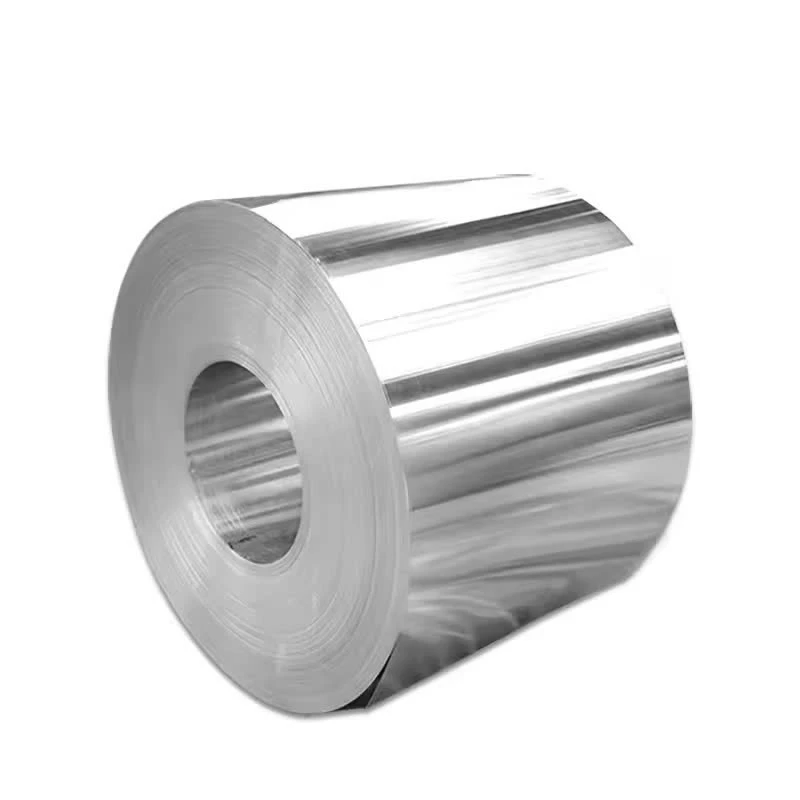
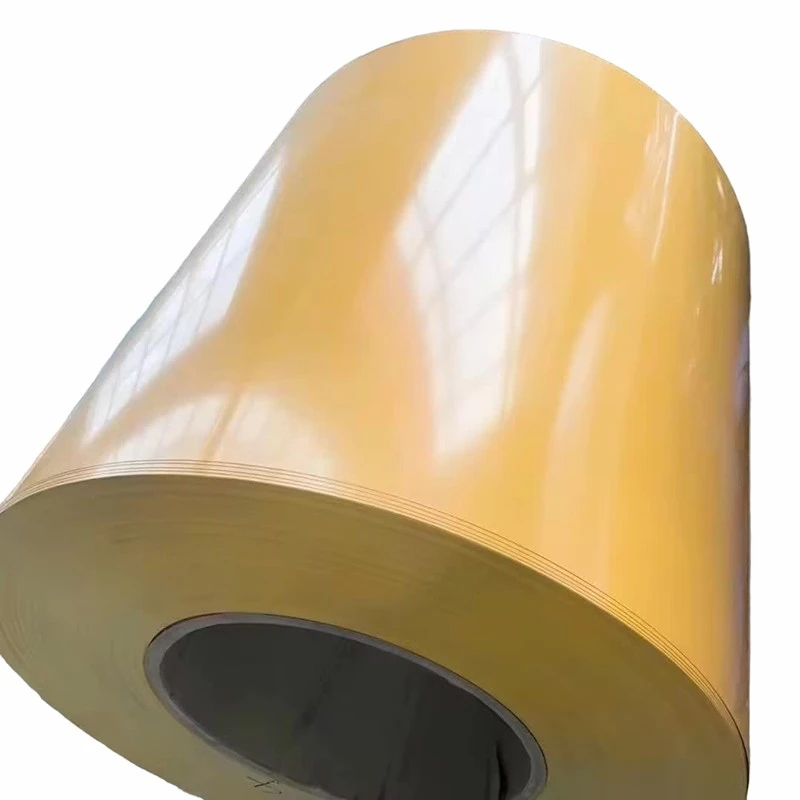
As a seasoned supplier of Aluminum Paint Coil, I understand the critical importance of paint adhesion in ensuring the quality and longevity of our products. Paint adhesion refers to the ability of the paint to stick to the surface of the aluminum coil, which is crucial for protecting the aluminum from corrosion, abrasion, and environmental damage. In this blog post, I'll share some effective methods to check the adhesion of the paint on aluminum paint coils, which will help you ensure the high - quality of the products you purchase.
1. Cross - Cut Test
The cross - cut test is one of the most commonly used methods to evaluate paint adhesion. This test is based on creating a lattice pattern on the painted surface of the aluminum coil and then assessing the amount of paint that remains adhered to the substrate after applying and removing adhesive tape.
Steps
- Prepare the test area: First, select a representative area on the aluminum paint coil. The area should be clean, dry, and free from any contaminants such as dust or grease.
- Make the cuts: Use a sharp blade, preferably a cutter specifically designed for cross - cut tests, to make a series of parallel cuts at a specified distance (usually 1mm or 2mm apart) through the paint film down to the aluminum substrate. Then, make another set of parallel cuts perpendicular to the first set, creating a lattice pattern of small squares.
- Apply the tape: Press a piece of high - quality adhesive tape firmly over the cross - cut area. Make sure the tape adheres well to the paint surface, and then quickly pull the tape off at a 180 - degree angle in one smooth motion.
- Evaluate the results: Examine the cross - cut area to determine the amount of paint that has been removed by the tape. The results are usually rated according to an international standard, such as ISO 2409. A rating of 0 indicates perfect adhesion, with no paint removed, while a rating of 5 indicates very poor adhesion, with large areas of paint flaking off.
2. Tape Pull Test
The tape pull test is a simplified version of the cross - cut test and is often used for a quick assessment of paint adhesion.
Steps
- Prepare the surface: Similar to the cross - cut test, clean and dry the test area on the aluminum paint coil.
- Apply the tape: Place a piece of adhesive tape on the painted surface. Rub the tape firmly to ensure good contact with the paint.
- Pull the tape: Grip one end of the tape and pull it off rapidly at a 90 - degree angle.
- Inspect the results: Check the tape and the painted surface. If little or no paint is transferred to the tape, the adhesion is considered good. However, if significant amounts of paint are removed, it indicates poor adhesion.
3. Impact Test
The impact test assesses the ability of the paint to remain adhered to the aluminum coil under sudden impact.
Steps
- Set up the test equipment: Use an impact tester, which typically consists of a weighted punch that is dropped from a specific height onto the painted surface of the aluminum coil.
- Conduct the test: Place the aluminum paint coil on a rigid support and position the impact tester above the test area. Release the weighted punch from the pre - determined height to strike the painted surface.
- Evaluate the damage: After the impact, visually inspect the area around the impact point. Look for any signs of paint cracking, chipping, or delamination. If the paint remains intact without significant damage, it indicates good adhesion and impact resistance.
4. Bend Test
The bend test is used to evaluate the paint adhesion when the aluminum coil is subjected to bending.
Steps
- Prepare the sample: Cut a small strip from the aluminum paint coil.
- Bend the sample: Use a bending tool to bend the sample at a specific angle (e.g., 180 degrees) over a mandrel of a specified diameter. The bending process should be carried out slowly and smoothly to avoid excessive stress concentration.
- Inspect the bent area: After bending, carefully examine the bent portion of the sample. Check for any signs of paint cracking, peeling, or separation from the aluminum substrate. If the paint remains firmly adhered to the aluminum during the bending process, it demonstrates good adhesion.
5. Environmental Exposure Test
Environmental factors such as humidity, temperature, and UV radiation can affect paint adhesion over time. Conducting environmental exposure tests can provide valuable insights into the long - term adhesion performance of the paint on aluminum coils.
Steps
- Choose the exposure conditions: You can expose the aluminum paint coil samples to different environmental conditions, such as high - humidity chambers, salt - spray chambers, or outdoor exposure.
- Expose the samples: Place the samples in the selected exposure environment for a specified period, which can range from a few days to several months depending on the test requirements.
- Evaluate the adhesion: After the exposure period, perform one of the above - mentioned adhesion tests (e.g., cross - cut test or tape pull test) on the exposed samples. Compare the results with those of unexposed samples to determine the impact of environmental factors on paint adhesion.
As a supplier of high - quality Aluminum Paint Coil, we are committed to providing products with excellent paint adhesion. Our Prefinished Aluminum Coils, Color Coating Aluminum Coil, and Pre Coated Aluminium undergo strict quality control procedures, including comprehensive adhesion testing, to ensure they meet the highest industry standards.
If you are in the market for Aluminum Paint Coil and want to ensure the best paint adhesion for your projects, don't hesitate to contact us. We can provide you with detailed product information, samples for testing, and professional advice on paint adhesion and other quality - related issues. Our team of experts is always ready to assist you in making the right choice for your specific needs.
References
- ISO 2409: Paints and varnishes -- Cross - cut test.
- ASTM D3359: Standard Test Methods for Measuring Adhesion by Tape Test.
- ASTM G85: Standard Practice for Modified Salt Spray (Fog) Testing.