

Hey there! As a supplier of Aluminum Acm Panels, I often get asked about alternatives to these popular building materials. Aluminum Acm Panels, or Aluminum Composite Materials, have been a go - to choice for many construction and design projects because of their lightweight nature, durability, and versatility. But there are times when different materials might be a better fit. So, let's dive into some of the alternatives.
Fiberglass Reinforced Plastic (FRP) Panels
FRP panels are a great alternative to Aluminum Acm Panels. They're made of a plastic matrix reinforced with fine fibers of glass. These panels are super lightweight, just like Aluminum Acm Panels, but they offer some unique advantages.
One of the main perks of FRP panels is their corrosion resistance. They can stand up to harsh chemicals and moisture without rusting or deteriorating. This makes them a top pick for industrial settings, like factories and chemical plants. For example, if you're building a storage facility for chemicals, FRP panels can ensure that the structure remains intact for a long time.
Another plus is their insulation properties. FRP panels can help keep the interior of a building warm in the winter and cool in the summer. This can lead to significant energy savings over time. However, they're not as rigid as Aluminum Acm Panels. So, in applications where high structural strength is required, you might need to use additional support.
Wood Panels
Wood has always been a classic building material, and it can be a great alternative to Aluminum Acm Panels. Wood panels bring a natural and warm aesthetic to any project. They can be used in both interior and exterior applications.
For exterior use, certain types of wood, like cedar and redwood, are naturally resistant to decay and insects. They can give a building a rustic and charming look. On the interior, wood panels can create a cozy and inviting atmosphere. Think of a cabin in the mountains with exposed wood panels on the walls - it just screams comfort.
But wood does have its drawbacks. It requires regular maintenance, such as staining and sealing, to keep it looking good and protect it from the elements. Also, it's more prone to fire compared to Aluminum Acm Panels. So, if fire safety is a major concern, you might want to think twice before using wood panels.
Stone Veneer Panels
Stone veneer panels offer a luxurious and elegant alternative to Aluminum Acm Panels. They can mimic the look of natural stone without the weight and cost of full - sized stone blocks. Stone veneer panels come in a variety of styles, from limestone to granite, allowing you to achieve the exact look you want.
These panels can add a touch of sophistication to any building. They're commonly used in high - end residential and commercial projects. For example, a luxury hotel might use stone veneer panels on its exterior to create a grand entrance.
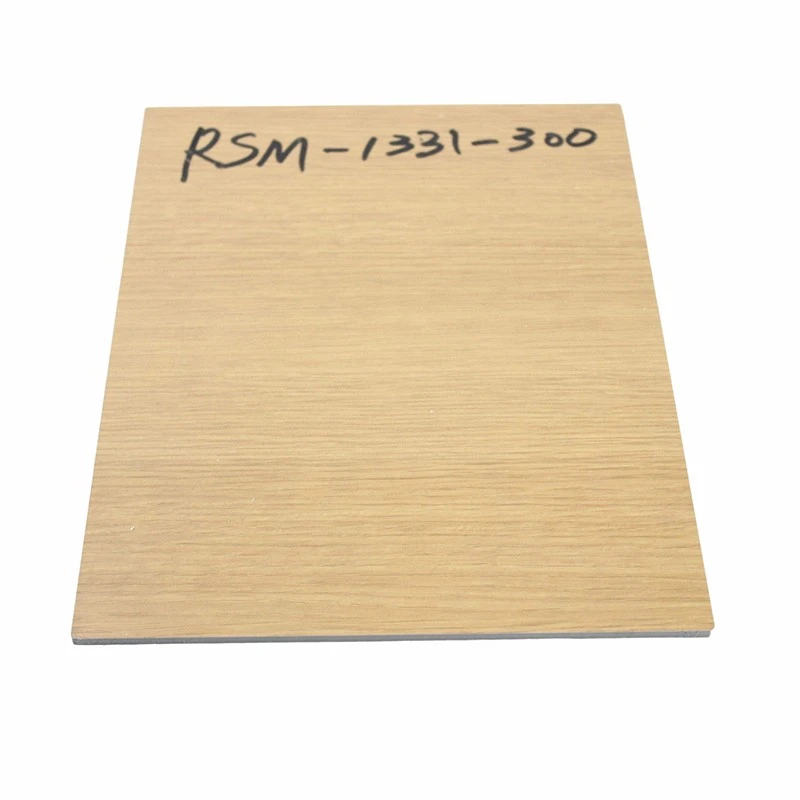

However, stone veneer panels can be more expensive than Aluminum Acm Panels. They also require professional installation because of their weight and the need for proper adhesion. And like wood, they need some maintenance to keep them looking their best.
PVC Panels
PVC, or polyvinyl chloride, panels are another option. They're lightweight, easy to install, and relatively inexpensive. PVC panels are available in a wide range of colors and patterns, so you can find something to suit your design needs.
One of the big advantages of PVC panels is their water resistance. They're a popular choice for bathrooms, kitchens, and other areas where moisture is a concern. They're also easy to clean, which makes them a practical option for high - traffic areas.
But PVC panels might not be as durable as Aluminum Acm Panels in the long run. They can become brittle over time, especially in extreme temperatures. And some people are concerned about the environmental impact of PVC because it's a type of plastic.
Comparing with Our Aluminum Acm Panels
Now, let's see how these alternatives stack up against our Aluminum Acm Panels. Our panels, like the ACM PVDF, are known for their high - quality PVDF coating, which provides excellent weather resistance and color retention. They can withstand harsh sunlight, rain, and wind without fading or peeling.
Our Fire Retardant Aluminum Composite Panel is a great option for projects where fire safety is crucial. It meets strict fire safety standards, something that many of the alternatives might struggle to match.
And if you're looking for a unique design, our Perforated ACP Sheet can add an interesting visual element to your building. The perforations can be used for ventilation or to create a pattern.
While the alternatives we've discussed have their own merits, our Aluminum Acm Panels offer a combination of durability, versatility, and cost - effectiveness that's hard to beat.
Conclusion and Call to Action
In conclusion, there are several alternatives to Aluminum Acm Panels, each with its own set of pros and cons. Whether you choose FRP, wood, stone veneer, PVC, or stick with our Aluminum Acm Panels depends on your specific project requirements, budget, and design preferences.
If you're still not sure which option is right for you, or if you want to learn more about our Aluminum Acm Panels, don't hesitate to reach out. We're here to help you make the best decision for your project. Contact us today to start a conversation about your procurement needs.
References
- "Building Materials Handbook" by John Wiley & Sons
- "Architectural Exterior Finishes" by McGraw - Hill Education
- Various industry research reports on building materials trends.