

As a seasoned supplier of 3003 aluminum coil, I often receive inquiries about its heat-resistant properties. This topic is crucial for many industries, as heat resistance can significantly impact the performance and longevity of products made from this material. In this blog post, I'll delve into the science behind the heat resistance of 3003 aluminum coil, explore its applications in high-temperature environments, and provide some practical tips for using it effectively.

Understanding the Composition of 3003 Aluminum Coil
To understand the heat resistance of 3003 aluminum coil, we first need to look at its composition. 3003 aluminum is an alloy that primarily consists of aluminum, with manganese as the main alloying element, typically around 1.0 - 1.5%. This alloy is known for its good formability, corrosion resistance, and moderate strength.
The addition of manganese enhances the strength of the aluminum without sacrificing too much of its ductility. However, when it comes to heat resistance, the base properties of aluminum play a significant role. Aluminum has a relatively low melting point compared to some other metals, around 660°C (1220°F). This means that in extremely high-temperature conditions, aluminum can start to lose its structural integrity.
Heat Resistance of 3003 Aluminum Coil
3003 aluminum coil has a reasonable level of heat resistance for many common applications. It can withstand moderate temperatures without significant deformation or loss of strength. In general, 3003 aluminum can maintain its mechanical properties up to around 200 - 250°C (392 - 482°F). At these temperatures, the alloy retains its shape and can still perform its intended function.
However, as the temperature rises above this range, the strength of 3003 aluminum begins to decline. The alloy becomes more malleable, and its load-bearing capacity decreases. At very high temperatures, approaching its melting point, the aluminum will start to soften and eventually melt.
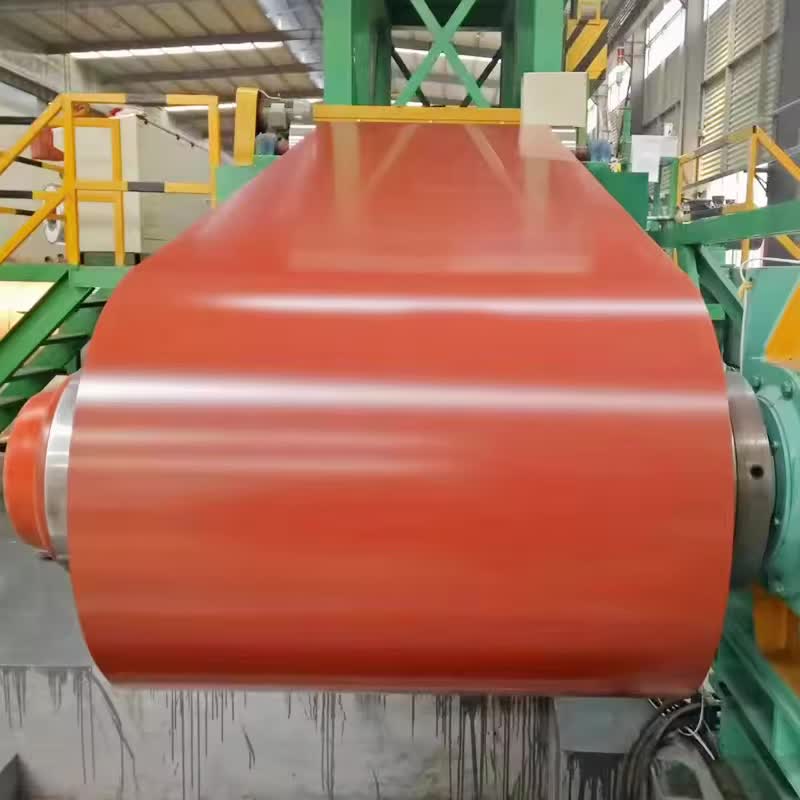
It's important to note that the heat resistance of 3003 aluminum coil can also be affected by other factors, such as the thickness of the coil, the presence of any surface treatments, and the duration of exposure to heat. Thicker coils may have better heat resistance as they can dissipate heat more effectively. Surface treatments, such as Pre Coated Aluminium, can also provide an additional layer of protection against heat and oxidation.
Applications in High-Temperature Environments
Despite its limitations, 3003 aluminum coil is still widely used in various high-temperature applications. Here are some examples:
Heat Exchangers
Heat exchangers are devices used to transfer heat between two fluids. 3003 aluminum coil is commonly used in the construction of heat exchangers due to its good thermal conductivity and corrosion resistance. In automotive radiators, for instance, 3003 aluminum coils are used to dissipate heat from the engine coolant. The moderate heat resistance of the alloy allows it to operate effectively in the relatively high temperatures generated by the engine.
Cookware
3003 aluminum is also used in the manufacturing of cookware, such as pots and pans. The alloy's heat resistance enables it to withstand the high temperatures encountered during cooking without warping or melting. Additionally, its good formability allows for the production of various shapes and sizes of cookware.
HVAC Systems
In heating, ventilation, and air conditioning (HVAC) systems, 3003 aluminum coil is used for ductwork and other components. These systems often operate at moderate temperatures, and the heat resistance of 3003 aluminum makes it a suitable choice. The alloy's corrosion resistance also helps to ensure the longevity of the HVAC components.
Tips for Using 3003 Aluminum Coil in High-Temperature Applications
If you're planning to use 3003 aluminum coil in a high-temperature environment, here are some tips to keep in mind:
- Choose the Right Thickness: As mentioned earlier, thicker coils generally have better heat resistance. Consider the specific temperature requirements of your application and choose a coil thickness that can withstand the expected heat.
- Apply Surface Treatments: Surface treatments can enhance the heat resistance and corrosion resistance of 3003 aluminum coil. Aluminium Coated Roll and Colored Aluminum Coil are examples of surface-treated products that can provide additional protection.
- Monitor Temperature: Keep an eye on the temperature in your application to ensure that it doesn't exceed the recommended limits for 3003 aluminum. If the temperature gets too high, consider using additional cooling measures or switching to a more heat-resistant material.
- Allow for Expansion: Aluminum expands when heated, so it's important to allow for some room for expansion in your design. This can help prevent deformation and damage to the coil.
Conclusion
In conclusion, 3003 aluminum coil has a reasonable level of heat resistance for many common applications. It can withstand moderate temperatures without significant deformation or loss of strength, making it suitable for use in heat exchangers, cookware, HVAC systems, and other high-temperature environments. However, it's important to understand the limitations of the alloy and take appropriate precautions when using it in high-temperature conditions.
If you're interested in purchasing 3003 aluminum coil for your project, I encourage you to contact me for more information. I can provide you with detailed specifications, samples, and pricing to help you make an informed decision. Let's discuss your requirements and find the best solution for your needs.
References
- ASM Handbook Volume 2: Properties and Selection: Nonferrous Alloys and Special-Purpose Materials
- Aluminum Association Technical Papers on Aluminum Alloys and Their Applications