

As a seasoned supplier of ACP (Aluminum Composite Panel) for ceiling applications, I've encountered numerous inquiries regarding the anti-static properties of these products. In this blog, I aim to delve into the science behind ACP's anti-static capabilities, providing you with in - depth knowledge to make informed decisions for your projects.
Understanding Static Electricity and Its Impact
Before discussing the anti - static properties of ACP for ceilings, it's essential to understand what static electricity is and why it matters. Static electricity is the imbalance of electric charges within or on the surface of a material. When two materials come into contact and then separate, electrons can transfer from one material to the other, creating a charge imbalance.
In a building environment, static electricity can cause several issues. It can attract dust and dirt, making the ceiling look dirty and unkempt over time. Moreover, in certain industrial or high - tech settings, static electricity can interfere with sensitive electronic equipment, leading to malfunctions or even permanent damage.
The Composition of ACP and Its Relevance to Anti - Static Properties
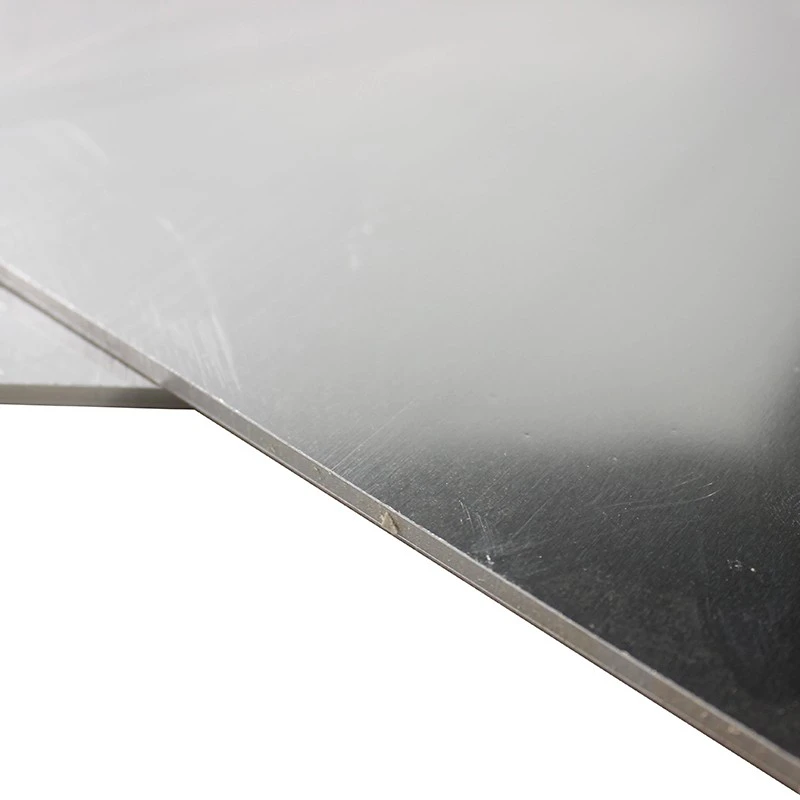
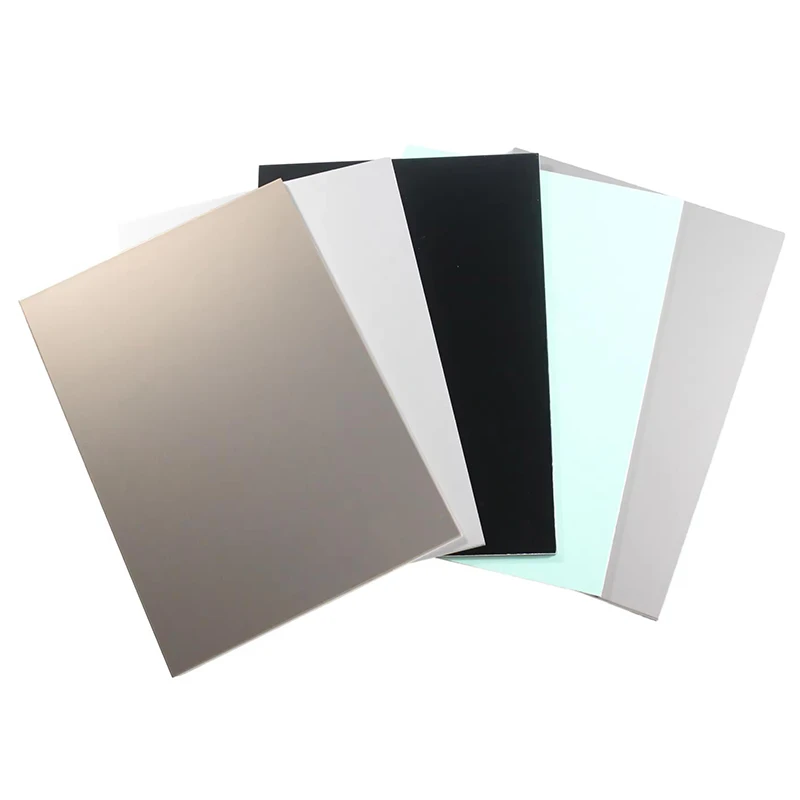
ACP for ceilings typically consists of two aluminum sheets bonded to a non - aluminum core, usually made of polyethylene or other polymers. The aluminum outer layers are good conductors of electricity, which plays a significant role in the panel's anti - static behavior.
Aluminum is a metal with a large number of free electrons. When static charges accumulate on the surface of the ACP, these free electrons can move freely to neutralize the charge. This process helps to prevent the build - up of static electricity, reducing the likelihood of dust attraction and electrostatic discharge.
The core material also has an impact on the anti - static properties. Polymers used in the core can be formulated to have certain conductive or anti - static additives. These additives can enhance the overall anti - static performance of the ACP by providing additional paths for charge dissipation.
Testing the Anti - Static Properties of ACP for Ceilings
To accurately assess the anti - static properties of ACP for ceilings, several testing methods can be employed. One common method is the surface resistance test. This test measures the electrical resistance of the panel's surface. A lower surface resistance indicates better conductivity and, therefore, better anti - static properties.
Another test is the charge decay test. In this test, a known amount of static charge is applied to the surface of the ACP, and the time it takes for the charge to decay to a certain level is measured. A shorter charge decay time means that the panel can quickly dissipate the static charge, which is a sign of good anti - static performance.
Our company conducts rigorous testing on all our ACP products for ceilings. We ensure that they meet industry standards for anti - static properties, providing our customers with reliable and high - quality products.
Real - World Applications and Benefits of ACP's Anti - Static Properties
In commercial buildings such as offices and shopping malls, ACP ceilings with good anti - static properties can maintain a clean and professional appearance. Since they attract less dust, the ceilings require less frequent cleaning, reducing maintenance costs over time.
In high - tech facilities like data centers and laboratories, the anti - static properties of ACP are crucial. These environments are filled with sensitive electronic equipment that can be easily damaged by static electricity. Using ACP for ceilings can help protect the equipment by preventing electrostatic discharge and minimizing the accumulation of dust particles.
For industries where hygiene is of utmost importance, such as hospitals and food processing plants, ACP ceilings with anti - static properties are ideal. They can prevent the build - up of dust and contaminants, contributing to a cleaner and healthier environment.
Comparing ACP with Other Ceiling Materials in Terms of Anti - Static Properties
When compared to other common ceiling materials such as gypsum board and PVC panels, ACP generally has better anti - static properties. Gypsum board is a poor conductor of electricity, and static charges can easily accumulate on its surface, leading to dust attraction. PVC panels also tend to have higher surface resistance, which means they are more likely to hold static charges.
The Aluminum Composite Sign Panel Sheet and ACP Mirror Sheet we offer are not only aesthetically pleasing but also have excellent anti - static performance. Their aluminum construction allows for efficient charge dissipation, making them suitable for a wide range of applications.
The Role of Coating in Enhancing Anti - Static Properties
The coating on the surface of ACP can further enhance its anti - static properties. Special anti - static coatings can be applied to the aluminum sheets. These coatings contain conductive polymers or other additives that can increase the surface conductivity of the panel.
A well - designed anti - static coating can also provide additional protection against environmental factors such as moisture and UV radiation. This ensures that the anti - static properties of the ACP remain stable over time, even in harsh conditions.
Maintaining the Anti - Static Properties of ACP Ceilings
To ensure that the ACP ceilings maintain their anti - static properties, proper maintenance is required. Regular cleaning is essential, but it should be done with non - abrasive and anti - static cleaning agents. Abrasive cleaners can damage the surface of the ACP, reducing its conductivity and anti - static performance.
It's also important to avoid using materials or chemicals that can increase the surface resistance of the ACP. For example, some waxes and polishes may leave a non - conductive layer on the surface, which can impede charge dissipation.
The Future of ACP with Improved Anti - Static Properties
As technology advances, we can expect to see further improvements in the anti - static properties of ACP for ceilings. Researchers are constantly exploring new materials and manufacturing techniques to enhance the conductivity and charge - dissipation capabilities of ACP.
New additives and coatings are being developed that can provide even better anti - static performance while also improving other properties such as fire resistance and durability. These advancements will make ACP an even more attractive option for a wide range of ceiling applications.
Conclusion
In conclusion, ACP for ceilings generally has good anti - static properties due to its aluminum construction and the potential use of conductive additives in the core and coatings. The anti - static capabilities of ACP offer numerous benefits, including reduced dust attraction, protection of electronic equipment, and a cleaner and healthier environment.
Our company, as a reliable ACP for ceiling supplier, is committed to providing high - quality products with excellent anti - static performance. We offer a variety of ACP products, including the Perforated Aluminum Composite Panel, which not only has anti - static properties but also provides unique aesthetic and functional features.
If you are interested in purchasing ACP for your ceiling projects or have any questions about our products' anti - static properties, please feel free to contact us for further discussion and negotiation. We look forward to working with you to meet your specific needs.
References
- ASTM International. "Standard Test Methods for Electrical Resistance of Conductive and Dissipative Rubbers and Plastics." ASTM D257 - 14.
- International Electrotechnical Commission (IEC). "Electrostatics - Part 6 - 1: General requirements for the avoidance of electrostatic phenomena causing fires and explosions." IEC 61340 - 6 - 1.