

Adhesion is a critical factor in determining the quality and longevity of aluminum paint rolls. As a leading supplier of aluminum paint rolls, I understand the importance of this aspect. In this blog, I will delve into the science behind how an aluminum paint roll adheres to the surface, exploring the various factors and processes involved.
Surface Preparation: The Foundation of Adhesion
The first step in ensuring proper adhesion of an aluminum paint roll is surface preparation. A clean, smooth, and properly treated surface is essential for the paint to bond effectively. Aluminum surfaces can be contaminated with oils, dirt, oxides, or other substances that can interfere with adhesion. Therefore, thorough cleaning is necessary.
One common method of cleaning aluminum surfaces is through degreasing. Solvents or alkaline cleaners can be used to remove oils and grease. After degreasing, the surface is usually rinsed with water to remove any remaining cleaner residues.
Another important aspect of surface preparation is the removal of oxides. Aluminum naturally forms a thin oxide layer on its surface, which can prevent the paint from adhering properly. Chemical treatments such as pickling or etching can be used to remove this oxide layer. Pickling involves immersing the aluminum in an acid solution, while etching uses a chemical etchant to roughen the surface slightly, increasing the surface area for the paint to bond to.
In some cases, a conversion coating may be applied to the aluminum surface. Conversion coatings are thin layers of chemical compounds that are formed on the metal surface through a chemical reaction. These coatings can improve adhesion by providing a more reactive surface for the paint to bond to and also offer some corrosion protection. Examples of conversion coatings include chromate conversion coatings and phosphate conversion coatings.
The Role of Paint Composition
The composition of the paint used in the aluminum paint roll also plays a crucial role in adhesion. Different types of paints have different adhesion properties, and the choice of paint depends on the specific application and requirements.
One of the key components of paint is the binder. The binder is a polymer that holds the pigment and other additives together and provides the adhesion to the surface. There are several types of binders used in aluminum paints, including acrylics, polyurethanes, and epoxies.
Acrylic binders are popular due to their good weather resistance, gloss retention, and adhesion properties. They are often used in exterior applications where the paint needs to withstand exposure to sunlight, rain, and other environmental factors. Polyurethane binders offer excellent durability, chemical resistance, and abrasion resistance, making them suitable for high - traffic or industrial applications. Epoxy binders are known for their strong adhesion and corrosion resistance, and they are commonly used in applications where protection against corrosion is a primary concern.
In addition to the binder, the pigment and additives in the paint can also affect adhesion. Pigments provide color and opacity to the paint, and some pigments can have an impact on the paint's adhesion properties. Additives such as adhesion promoters, wetting agents, and anti - settling agents are also used to improve the performance of the paint. Adhesion promoters are chemicals that are specifically designed to enhance the bond between the paint and the surface. Wetting agents help the paint spread evenly over the surface, ensuring good contact and adhesion.
Application Process
The application process of the aluminum paint roll is another important factor in adhesion. The paint must be applied evenly and at the correct thickness to ensure proper adhesion.
There are several methods of applying aluminum paint, including spraying, rolling, and brushing. Spraying is a common method as it allows for a uniform application of the paint over a large surface area. When spraying, the paint is atomized into small droplets and applied to the surface using a spray gun. The spraying process requires careful control of factors such as spray pressure, distance from the surface, and spray pattern to ensure even coverage.
Rolling is another method that is often used for applying paint to aluminum surfaces. A paint roller is used to spread the paint over the surface. Rolling can be a more cost - effective method for smaller areas or for touch - up work. However, it is important to use the correct type of roller and to apply the paint with the right amount of pressure to avoid uneven application or air bubbles.
Brushing is a less common method for applying aluminum paint rolls, but it can be useful for small areas or for detailed work. When brushing, it is important to use a high - quality brush and to apply the paint in thin, even coats to ensure good adhesion.
The thickness of the paint film is also critical. If the paint film is too thin, it may not provide adequate protection or adhesion. On the other hand, if the paint film is too thick, it may be more prone to cracking, peeling, or other adhesion problems. The recommended paint film thickness depends on the type of paint and the application, and it is usually specified by the paint manufacturer.
Curing and Drying
After the paint is applied, it needs to cure and dry properly to achieve maximum adhesion. Curing is a chemical process in which the binder in the paint undergoes a chemical reaction to form a hard, durable film. Drying is the process of removing the solvent from the paint, which can occur through evaporation.
The curing process can be affected by several factors, including temperature, humidity, and the type of paint. Some paints require a specific curing temperature and time to achieve optimal adhesion and performance. For example, some high - performance paints may need to be cured at elevated temperatures in an oven.
Humidity can also have an impact on the curing process. High humidity can slow down the drying and curing of the paint, and in some cases, it can cause problems such as blistering or poor adhesion. It is important to control the humidity during the application and curing process to ensure proper adhesion.
Quality Control and Testing
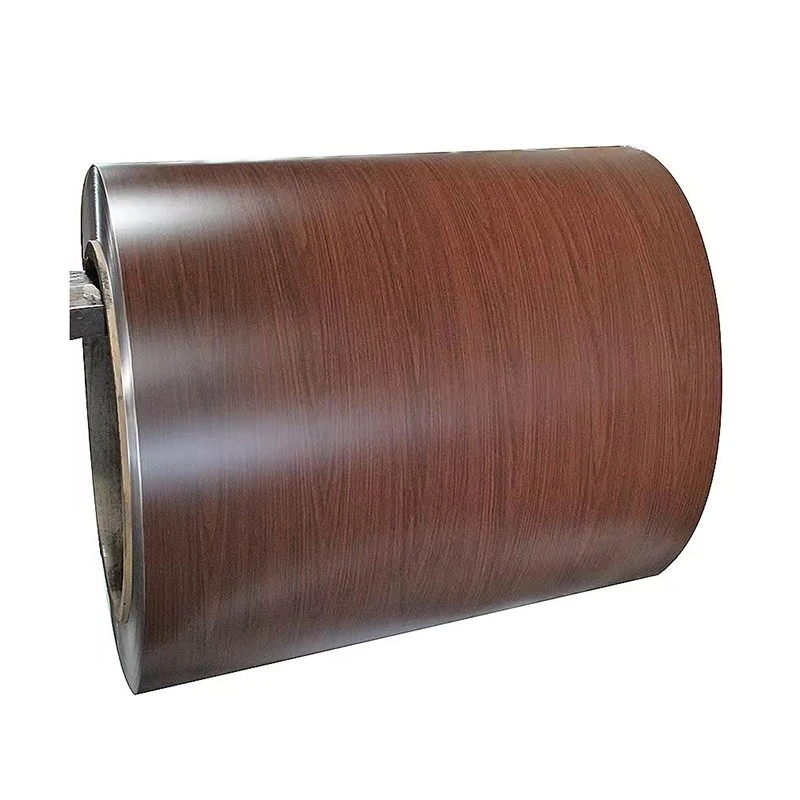
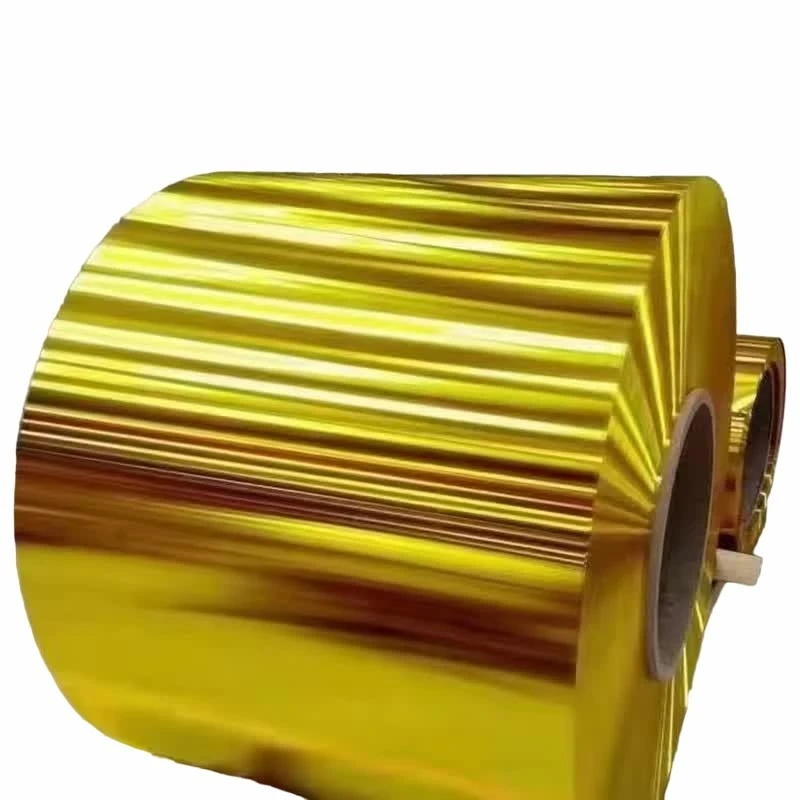
As a supplier of Pre Painted Aluminum Sheet, Pre Painted Aluminum Coil, and Color Aluminium Coil, we implement strict quality control measures to ensure the adhesion of our aluminum paint rolls.
We conduct various tests to evaluate the adhesion of the paint to the aluminum surface. One common test is the cross - hatch test. In this test, a grid of cuts is made in the paint film using a sharp blade, and then a piece of adhesive tape is applied over the grid and pulled off. The amount of paint that is removed by the tape is then evaluated to determine the adhesion strength.
Another test is the pull - off test, which measures the force required to pull a small area of the paint film away from the surface. This test provides a more quantitative measure of adhesion strength.
By conducting these tests and implementing quality control measures, we can ensure that our aluminum paint rolls meet the highest standards of adhesion and performance.
Conclusion
In conclusion, the adhesion of an aluminum paint roll to the surface is a complex process that involves surface preparation, paint composition, application process, curing, and quality control. By understanding the science behind adhesion and implementing proper procedures and quality control measures, we can ensure that our aluminum paint rolls provide excellent adhesion, durability, and performance.
If you are in the market for high - quality aluminum paint rolls, Pre Painted Aluminum Sheet, Pre Painted Aluminum Coil, or Color Aluminium Coil, please feel free to contact us for more information and to discuss your specific requirements. We are committed to providing you with the best products and solutions for your needs.
References
- Paints and Coatings Technology Handbook, edited by William D. Callister
- Surface Engineering for Corrosion and Wear Protection, by George E. Totten and D. Scott MacKenzie
- The Chemistry and Physics of Coatings, by Johan Bieleman