

As a seasoned supplier of Aluminum Acm Panels, I understand the critical role that proper packaging plays in ensuring these panels reach their destination in pristine condition. In this blog, I'll delve into the various types of packaging used for Aluminum Acm Panels during transportation, highlighting their importance and how they safeguard the quality of our products.
The Significance of Packaging for Aluminum Acm Panels
Aluminum Acm Panels are versatile building materials widely used in exterior and interior applications. They are known for their lightweight yet durable nature, aesthetic appeal, and ease of installation. However, during transportation, these panels are vulnerable to damage from various factors such as impacts, scratches, moisture, and environmental conditions. Proper packaging acts as a protective shield, preventing these issues and ensuring that the panels arrive at the construction site or customer's location in perfect shape.
Types of Packaging Materials
1. Protective Films
One of the most common forms of packaging for Aluminum Acm Panels is the application of protective films. These films are typically made of polyethylene or polypropylene and are adhered to the surface of the panels. The primary function of these films is to prevent scratches and abrasions during handling and transportation. They act as a barrier between the panel's surface and any potential sources of damage, such as sharp objects or rough surfaces.
The protective films are available in different thicknesses and qualities, depending on the specific requirements of the panels. For example, panels that are more prone to scratches or are being transported over long distances may require a thicker and more durable film. Additionally, some protective films are designed to be UV-resistant, which helps prevent discoloration and degradation of the panel's surface when exposed to sunlight during transportation or storage.
2. Cardboard and Paper Packaging
Cardboard and paper packaging are also widely used for Aluminum Acm Panels. Cardboard boxes or cartons are used to group and protect individual panels. They provide a stable structure that helps prevent the panels from shifting or colliding with each other during transit. The cardboard also acts as a buffer against minor impacts and vibrations.
Paper wrapping can be used in combination with cardboard packaging to provide an extra layer of protection. It can help absorb moisture and prevent rusting or corrosion of the aluminum surface. Additionally, paper wrapping can be used to label the panels, indicating their size, color, and other relevant information.
3. Wooden Crates and Pallets
For larger quantities or heavier Aluminum Acm Panels, wooden crates and pallets are often used. Wooden crates provide a high level of protection against impacts, shocks, and rough handling. They are custom-built to fit the dimensions of the panels, ensuring a snug and secure fit. The crates are usually reinforced with additional wooden supports to enhance their strength and durability.
Pallets are used to stack and transport multiple crates or bundles of panels. They provide a stable base for the panels and make it easier to handle them using forklifts or other material handling equipment. Pallets also help improve ventilation around the panels, reducing the risk of moisture buildup and mold growth.
4. Foam and Rubber Padding
Foam and rubber padding are used to cushion the Aluminum Acm Panels and absorb shocks during transportation. They are placed between the panels or around the edges of the packaging to prevent direct contact and minimize the risk of damage. Foam padding is lightweight and flexible, making it easy to conform to the shape of the panels. Rubber padding, on the other hand, is more durable and provides a higher level of shock absorption.

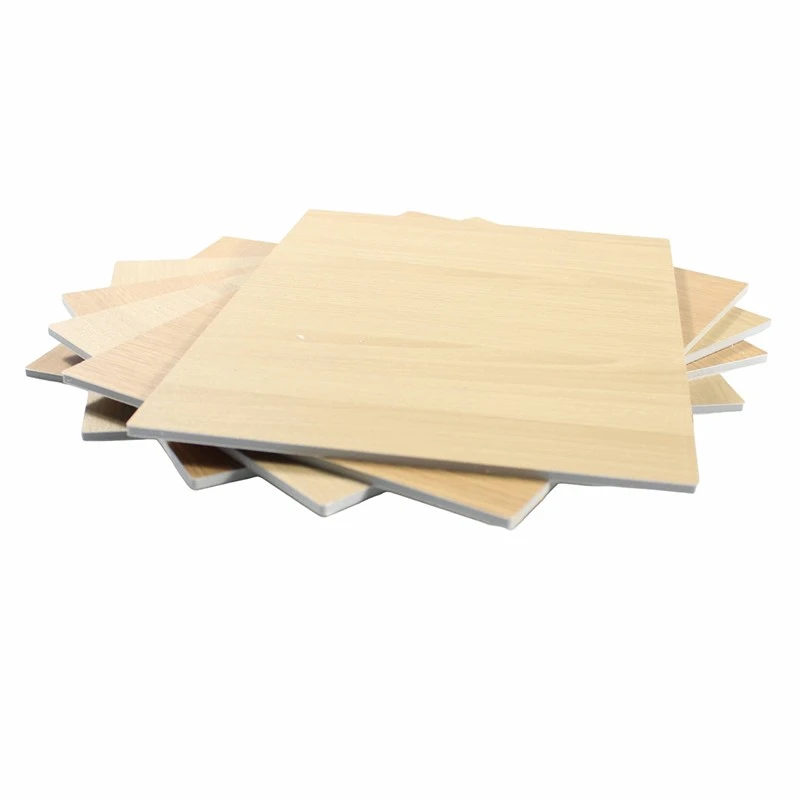
Customized Packaging Solutions
At our company, we understand that every customer's needs are unique. That's why we offer customized packaging solutions for Aluminum Acm Panels. We work closely with our customers to understand their specific requirements, such as the size, quantity, and destination of the panels. Based on this information, we design and manufacture packaging that provides the optimal level of protection.
For example, if a customer is shipping Aluminum Acm Panels to a humid or coastal area, we may recommend using moisture-resistant packaging materials and adding desiccants to the packaging to absorb any excess moisture. If the panels are being transported by air, we ensure that the packaging meets the strict weight and size restrictions of the airline.
The Role of Packaging in Sustainable Transportation
In addition to protecting the Aluminum Acm Panels, packaging also plays a crucial role in sustainable transportation. We are committed to using environmentally friendly packaging materials wherever possible. For example, we use recyclable cardboard and paper packaging, and we are constantly exploring new ways to reduce the amount of packaging waste generated.
We also encourage our customers to recycle the packaging materials after they have received the panels. By doing so, we can minimize the environmental impact of our products and contribute to a more sustainable future.
Conclusion
Proper packaging is essential for ensuring the safe transportation of Aluminum Acm Panels. It protects the panels from damage, maintains their quality, and ensures that they arrive at their destination in perfect condition. At our company, we take pride in providing high-quality packaging solutions that meet the specific needs of our customers.
If you are in the market for Aluminum Acm Panels, we invite you to explore our range of products, including Brushed Aluminium Composite Sheet, ACM Aluminum Composite Panel, and Aluminium Composite Panel for Interior. Our team of experts is ready to assist you with your packaging requirements and answer any questions you may have. Contact us today to discuss your project and start the procurement process.
References
- Packaging Machinery Manufacturers Institute (PMMI). (2023). Best Practices for Packaging Materials in the Construction Industry.
- Aluminum Association. (2023). Guidelines for Transporting Aluminum Products.