

Hey there! As a paint aluminium coil supplier, I often get asked about the wind - resistance of paint aluminium coil when it's used on buildings. It's a super important topic, especially when you're thinking about using these coils for your construction projects. So, let's dive right in and break it down.
What Makes Paint Aluminium Coil a Good Choice for Buildings
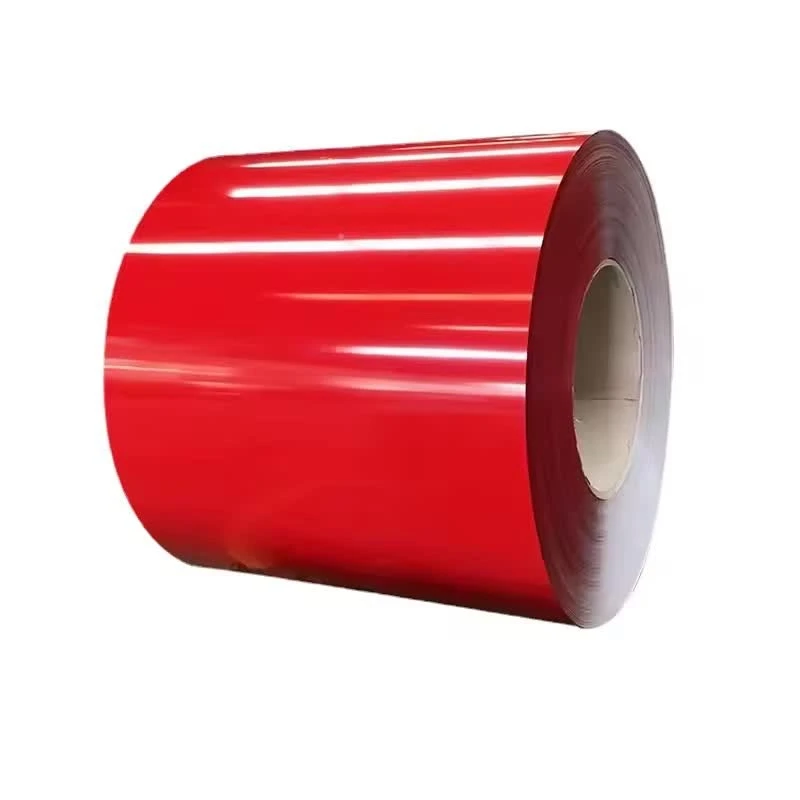
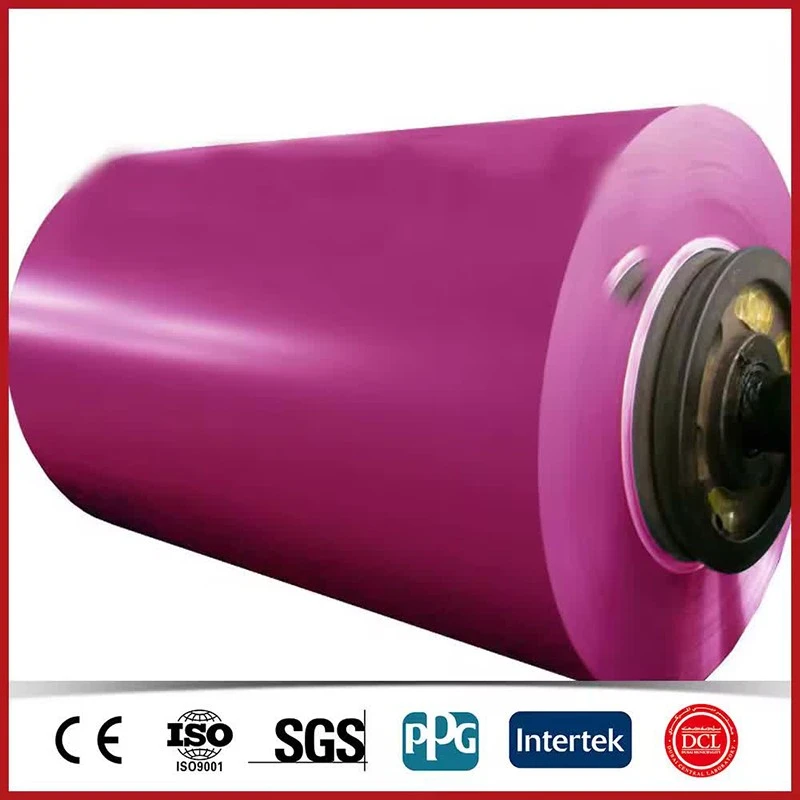
First off, let's talk about why paint aluminium coil is so popular in the building industry. Paint aluminium coil, also known as Painted Aluminum Coil, offers a great combination of durability and aesthetics. The paint on the surface not only gives it a sleek and modern look but also provides an extra layer of protection against corrosion.
Aluminium itself is a lightweight yet strong material. This means it's easier to handle during installation compared to heavier materials like steel. And when it comes to large - scale building projects, that can save a lot of time and labor costs. Plus, Pre Coated Aluminium comes in a wide range of colors and finishes, so you can choose the one that best suits your building's design.
Understanding Wind - Resistance
Now, let's get to the heart of the matter: wind - resistance. Wind - resistance refers to the ability of a material to withstand the forces exerted by the wind without getting damaged or dislodged. When it comes to buildings, especially tall ones or those in areas prone to high - speed winds, the wind - resistance of the building materials is crucial.
For paint aluminium coil, several factors affect its wind - resistance. One of the most important factors is the thickness of the coil. Thicker coils generally have better wind - resistance because they can withstand greater pressure without bending or breaking. For example, in areas with mild wind conditions, a thinner gauge of paint aluminium coil might be sufficient. But in coastal areas or places with frequent storms, a thicker gauge would be a much better choice.
The quality of the paint also plays a role. A high - quality paint can help protect the aluminium from the elements, including the abrasive effects of wind - blown debris. This means the coil is less likely to get damaged over time, which in turn helps maintain its wind - resistance.
Installation and Wind - Resistance
Proper installation is another key factor in ensuring the wind - resistance of paint aluminium coil. If the coil isn't installed correctly, it can be easily lifted or dislodged by the wind. For instance, the fasteners used to attach the coil to the building structure need to be strong and properly spaced. If the fasteners are too far apart, the coil might not be held firmly enough, and the wind can get under it and cause damage.
Also, the way the edges of the coil are sealed matters. A well - sealed edge prevents wind from getting behind the coil and causing it to peel or lift. Professional installers know the best practices for installing paint aluminium coil to maximize its wind - resistance.
Testing Wind - Resistance
Manufacturers of paint aluminium coil usually conduct various tests to determine its wind - resistance. These tests simulate different wind conditions, from gentle breezes to hurricane - force winds. By subjecting the coil to these tests, they can provide accurate information about its performance under different wind speeds.
For example, some tests involve applying a constant pressure to the coil to see how much force it can withstand before it starts to deform. Others might use a wind tunnel to simulate real - world wind conditions. The results of these tests are often used to rate the wind - resistance of the coil, which can help builders and architects make informed decisions when choosing materials for their projects.
Real - World Applications
In real - world applications, paint aluminium coil has proven to be a reliable choice for buildings in areas with high wind loads. Many skyscrapers and commercial buildings use paint aluminium coil for their exterior cladding because of its good wind - resistance and other benefits.
For example, in coastal cities where hurricanes are a common threat, buildings with paint aluminium coil cladding have withstood strong winds and heavy rain. The coil's ability to resist wind - driven water also helps prevent water damage to the building's interior.
Comparing with Other Materials
When compared to other building materials, paint aluminium coil holds up well in terms of wind - resistance. For example, compared to traditional brick or stone facades, paint aluminium coil is much lighter, which means it puts less stress on the building's structure. And unlike some plastic or composite materials, it doesn't degrade as quickly under the influence of wind and weather.
However, it's important to note that no material is completely immune to the effects of wind. Even the most wind - resistant paint aluminium coil needs to be properly maintained to ensure its long - term performance.
Conclusion
So, to sum it up, paint aluminium coil can offer excellent wind - resistance when used on buildings. Its combination of strength, durability, and aesthetics makes it a great choice for a wide range of construction projects. But remember, the wind - resistance depends on factors like the thickness of the coil, the quality of the paint, and proper installation.
If you're considering using paint aluminium coil for your next building project, I'd be more than happy to help. Whether you need advice on the right type of Aluminum Coil Roll for your specific wind conditions or want to discuss installation best practices, feel free to reach out. Let's work together to make your building not only beautiful but also safe and wind - resistant.
References
- Building Codes and Standards related to wind - resistance of building materials
- Manufacturer's technical data sheets on paint aluminium coil wind - resistance
- Research studies on the performance of paint aluminium coil in high - wind environments