

Hey there! As a supplier of 3003 aluminum coils, I often get asked about the thickness range of these coils. So, I thought I'd take a moment to share some insights on this topic.
First off, let's talk a bit about 3003 aluminum. It's an alloy that's widely used in various industries due to its excellent corrosion resistance, good formability, and moderate strength. You can find 3003 aluminum coils in applications like roofing, siding, automotive parts, and even in some household items.
Now, to the main question: What's the thickness range of 3003 aluminum coils? Well, the thickness can vary quite a bit depending on the specific requirements of the end - use. Generally, the thickness of 3003 aluminum coils can range from as thin as 0.016 mm (that's super thin, almost like a sheet of paper) to around 6.0 mm.
On the thinner end of the spectrum, coils with thicknesses between 0.016 mm and 0.2 mm are often used in applications where flexibility and light - weight are crucial. For example, they can be used in the manufacturing of packaging materials, like foil for food wrapping. The thinness allows for easy shaping and folding, and the corrosion - resistant properties of 3003 aluminum ensure that the contents are well - protected.
When we move up to the range of 0.2 mm to 1.0 mm, these coils are commonly used in the electronics industry. They can be formed into components for electronic devices, such as casings or heat sinks. The moderate thickness provides enough strength to hold the shape while still being malleable enough for precision manufacturing processes.
Coils with thicknesses from 1.0 mm to 3.0 mm are quite versatile. In the construction industry, they're used for things like wall cladding and roofing. The increased thickness gives them better durability and structural integrity, making them suitable for withstanding the elements. They can also be used in the automotive sector for parts like body panels, where a balance of strength and weight is needed.
Finally, for thicknesses above 3.0 mm up to 6.0 mm, 3003 aluminum coils are often used in heavy - duty applications. For instance, in the manufacturing of industrial equipment or machinery parts. The thicker coils can handle higher stress and loads, providing the necessary strength for these demanding applications.
It's important to note that when it comes to the thickness of 3003 aluminum coils, we can also offer customized options. If you have a specific project with unique requirements, we can work with you to produce coils with the exact thickness you need.
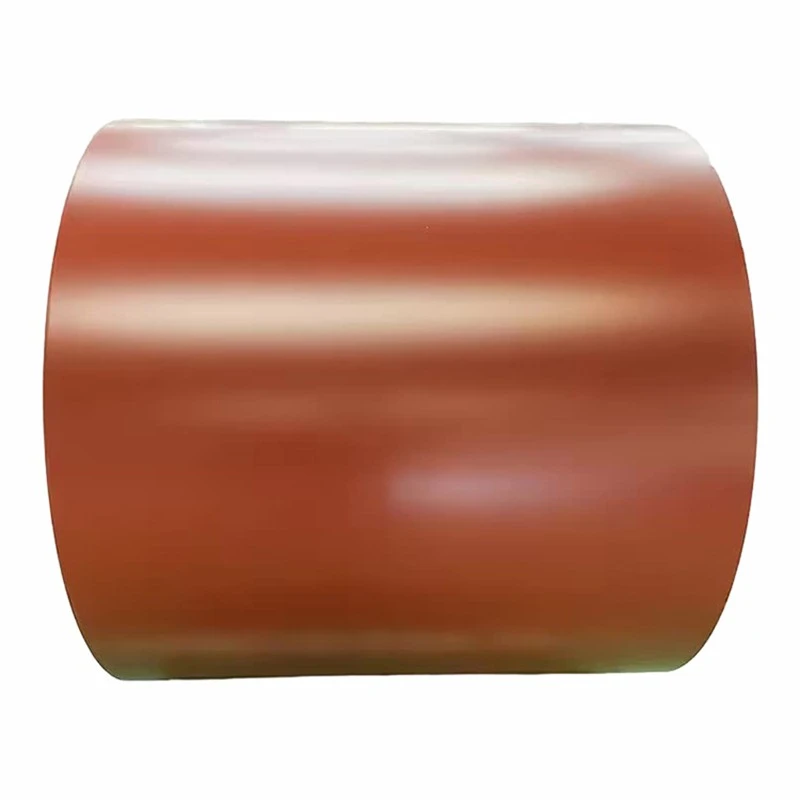
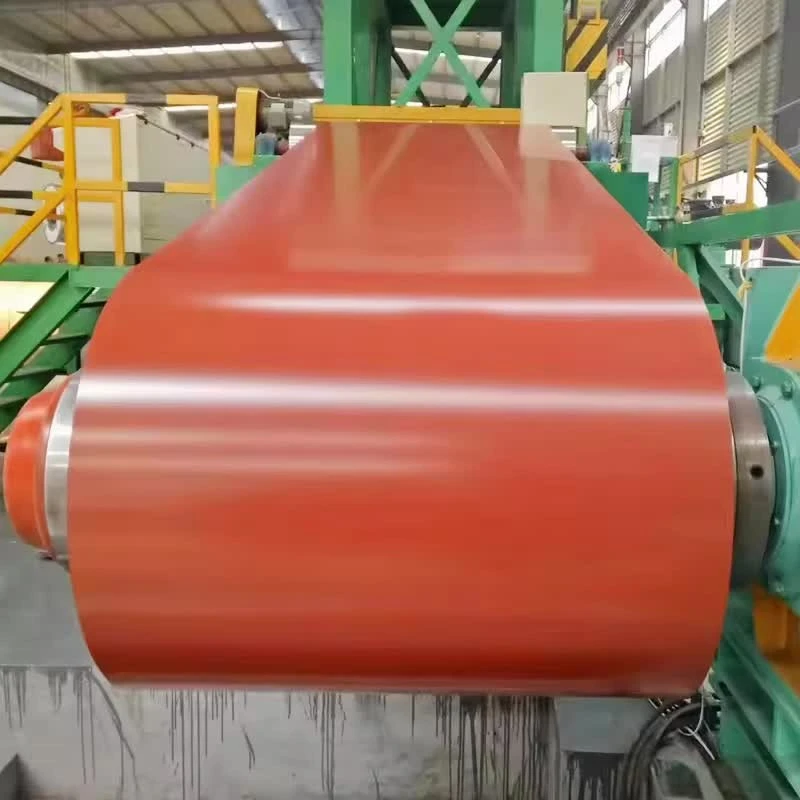
Now, let me tell you a bit about some related products we offer. We have Color Coating Aluminum Coil, which not only has the great properties of 3003 aluminum but also comes with a colorful coating. This is perfect for applications where aesthetics are important, like architectural facades.
Our Coated Aluminum Roll is another option. The coating provides an extra layer of protection, enhancing the corrosion resistance and durability of the aluminum. It's suitable for a wide range of outdoor and indoor applications.
And then there's our Aluminum Coated Roll. This product combines the benefits of aluminum with a specialized coating, offering unique performance characteristics for different industries.
If you're in the market for 3003 aluminum coils or any of our related products, I encourage you to reach out. Whether you need a specific thickness for a one - time project or a long - term supply for your business, we're here to help. We have a team of experts who can assist you in choosing the right product and ensuring that it meets your requirements. Don't hesitate to contact us for more information or to start a procurement discussion.
References
- Aluminum Association. (2023). Technical information on aluminum alloys.
- ASM Handbook Committee. (2022). ASM Handbook: Properties and Selection: Nonferrous Alloys and Special - Purpose Materials.