

Hey there! As a supplier of Acp For Ceiling, I often get asked about the thermal stability of these panels. So, I thought I'd take a moment to break it down for you and share some insights.
First off, let's talk about what thermal stability actually means. In simple terms, it's the ability of a material to maintain its physical and chemical properties under different temperature conditions. For Acp For Ceiling, this is super important because ceilings are exposed to various temperatures throughout the day and night, as well as different seasons.
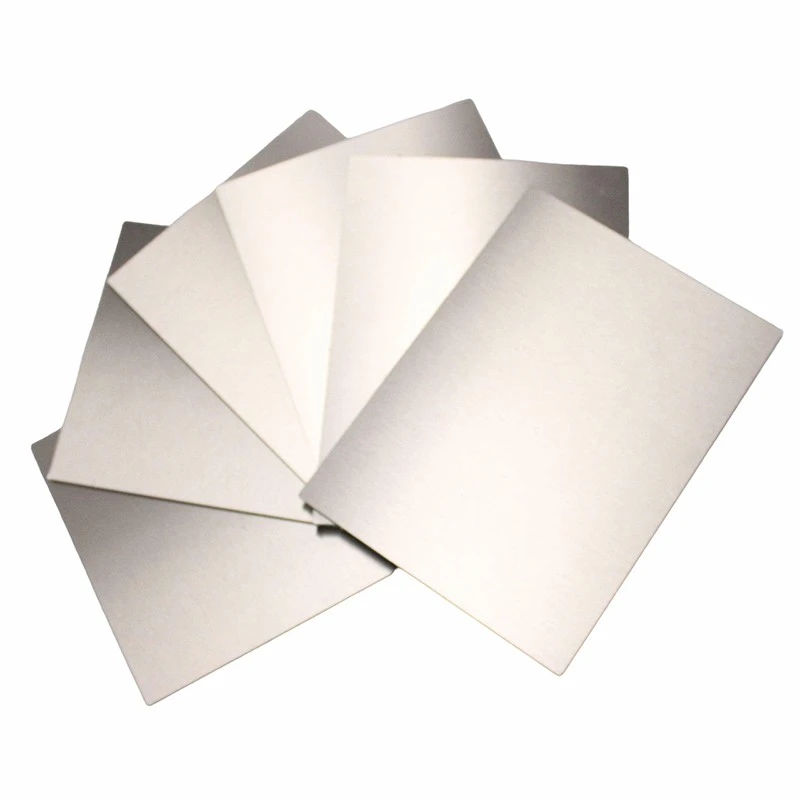
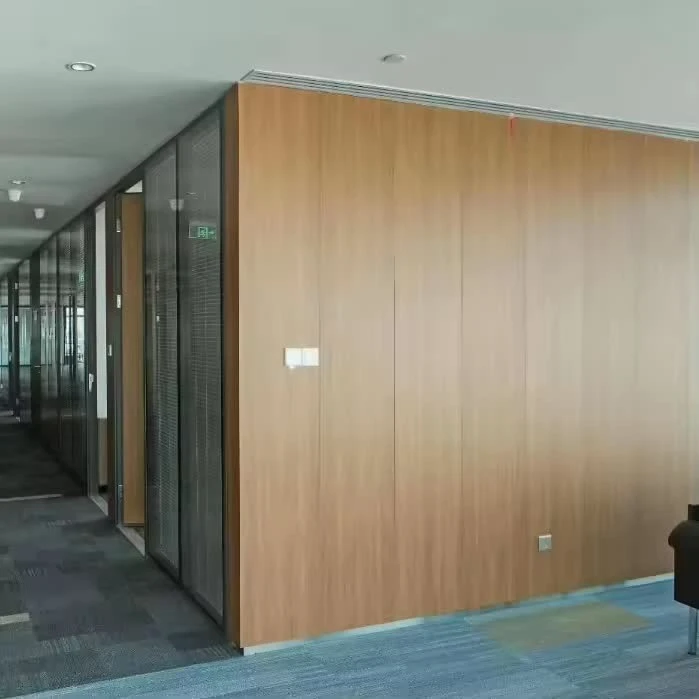
Acp, or Aluminum Composite Panel, consists of two aluminum sheets bonded to a non - aluminum core. The core material can vary, and this has a significant impact on the thermal stability of the panel.
Factors Affecting Thermal Stability
Core Material
The core of an Acp plays a crucial role in determining its thermal stability. There are different types of cores available, such as polyethylene (PE), fire - retardant cores, and mineral - filled cores.
PE cores are commonly used because they are relatively inexpensive. However, their thermal stability is somewhat limited. PE starts to soften at around 70 - 80°C. In a hot environment, say in a building where the ceiling is exposed to direct sunlight or high - temperature air from heating systems, a PE - cored Acp might start to deform. This can lead to sagging or warping of the ceiling panels, which is obviously not a good look.
On the other hand, Fire Retardant Composite Paneling with special cores are designed to have better thermal stability. These cores are formulated to withstand higher temperatures without significant deformation. They can handle temperatures well above 100°C in some cases, making them a great choice for areas where there is a risk of high - temperature exposure, like near industrial ovens or in commercial kitchens.
Aluminum Layers
The outer aluminum layers also contribute to the thermal stability of Acp For Ceiling. Aluminum is a good conductor of heat, which means it can distribute heat evenly across the panel. This helps in preventing local hot spots that could cause the panel to deform. The thickness of the aluminum layers matters too. Thicker aluminum layers generally provide better thermal performance as they are more resistant to heat - induced expansion and contraction.
Testing Thermal Stability
To ensure the quality and thermal stability of our Acp For Ceiling, we conduct a series of tests. One common test is the heat deflection test. In this test, we subject a sample of the panel to a specific load while gradually increasing the temperature. We measure the temperature at which the panel starts to deflect or deform. This gives us an idea of the panel's ability to withstand heat under a load, which is similar to real - world conditions where the ceiling has to support its own weight and possibly some additional loads.
Another test is the thermal cycling test. We expose the panel to a series of temperature cycles, going from a low temperature to a high temperature and back again. This simulates the day - night temperature variations that the ceiling might experience. After a certain number of cycles, we check for any signs of damage, such as cracking, delamination (separation of the aluminum layers from the core), or changes in the panel's flatness.
Applications and Thermal Stability Requirements
Different applications have different thermal stability requirements for Acp For Ceiling.
Residential Buildings
In residential settings, the temperature variations are usually not extreme. The normal indoor temperature range is between 20 - 25°C, with occasional spikes during summer or winter. So, a standard Acp with a PE core can often be sufficient for most residential ceilings. However, if the house has a large south - facing window or a skylight that exposes the ceiling to direct sunlight, it might be a good idea to consider a panel with better thermal stability.
Commercial Buildings
Commercial buildings, especially those with large open spaces or high - tech equipment, can have more demanding thermal requirements. For example, in a data center, the equipment generates a lot of heat, and the temperature needs to be carefully controlled. Using Fire Retardant Composite Paneling with high thermal stability can help in maintaining a consistent temperature and protecting the ceiling from heat - related damage.
Kitchens
Kitchens are another area where thermal stability is crucial. The constant heat from stoves, ovens, and steam can quickly damage a ceiling panel if it doesn't have good thermal resistance. Aluminium Composite Panels for Kitchen are specifically designed to handle these high - temperature conditions. They often have fire - retardant cores and thick aluminum layers to ensure they can withstand the heat without warping or delaminating.
Benefits of Good Thermal Stability
Having Acp For Ceiling with good thermal stability offers several benefits.
Durability
Panels with high thermal stability last longer. They are less likely to deform or get damaged due to temperature changes, which means you won't have to replace them as often. This saves you money in the long run, both on the cost of new panels and the labor required for installation.
Aesthetics
A stable ceiling looks good. When a panel warps or sags due to heat, it can make the whole ceiling look unprofessional and shabby. With panels that maintain their shape under different temperatures, your ceiling will always look smooth and even, enhancing the overall appearance of the space.
Energy Efficiency
Believe it or not, good thermal stability can also contribute to energy efficiency. When a panel can resist heat transfer effectively, it helps in keeping the indoor temperature more stable. This means your heating or cooling system doesn't have to work as hard to maintain the desired temperature, resulting in lower energy bills.
Our Product Range
At our company, we offer a wide range of Acp For Ceiling with different levels of thermal stability to meet the needs of various applications. Whether you're looking for a cost - effective option for a residential project or a high - performance panel for a commercial kitchen, we've got you covered.
We also offer Marble Aluminum Composite Panel, which not only looks great but also has good thermal properties. These panels have a unique appearance that can add a touch of luxury to any space while still providing the necessary thermal stability.
If you're in the market for Acp For Ceiling and want to learn more about our products' thermal stability or have any other questions, don't hesitate to reach out. We're here to help you find the perfect panel for your project. Whether it's for a small home renovation or a large - scale commercial construction, we can provide you with the right advice and high - quality products.
In conclusion, thermal stability is a key factor to consider when choosing Acp For Ceiling. By understanding the factors that affect it, the testing methods, and the benefits of good thermal performance, you can make an informed decision and ensure that your ceiling looks great and lasts for years to come. So, if you're interested in discussing your Acp For Ceiling needs and getting a quote, just get in touch. We're looking forward to working with you!
References
- Building Materials Handbook: Covers general information on the properties of building materials, including Acp and their thermal behavior.
- Journal of Construction and Building Materials: Contains research articles on the performance of different types of building panels under various environmental conditions.