

When it comes to the world of aluminum products, the aluminum coated roll stands out as a versatile and widely used material. As a supplier of Aluminum Coated Rolls, I often receive inquiries about the standard roll diameter. In this blog post, I'll delve into this topic, providing a comprehensive understanding of what the standard roll diameter is, the factors influencing it, and why it matters in various applications.
Understanding Aluminum Coated Rolls
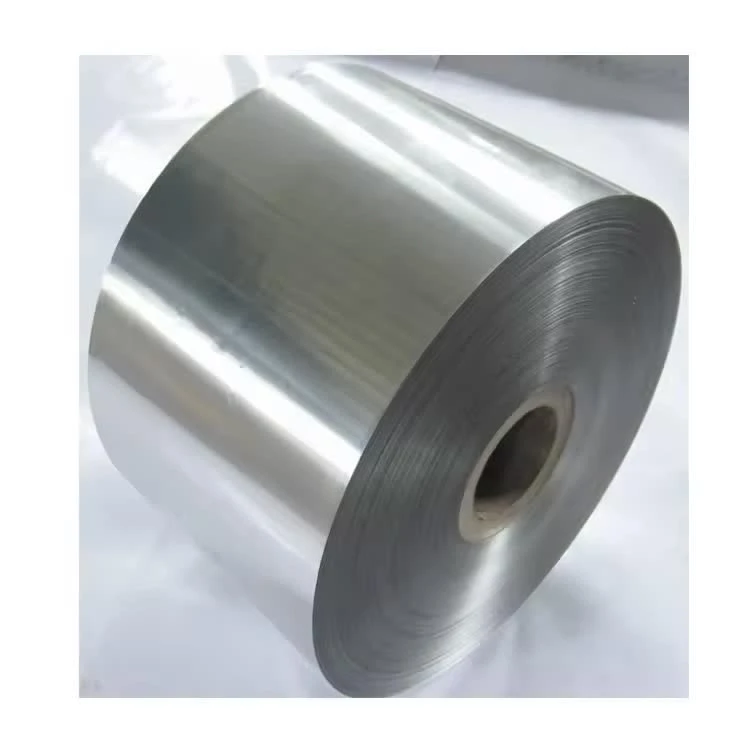
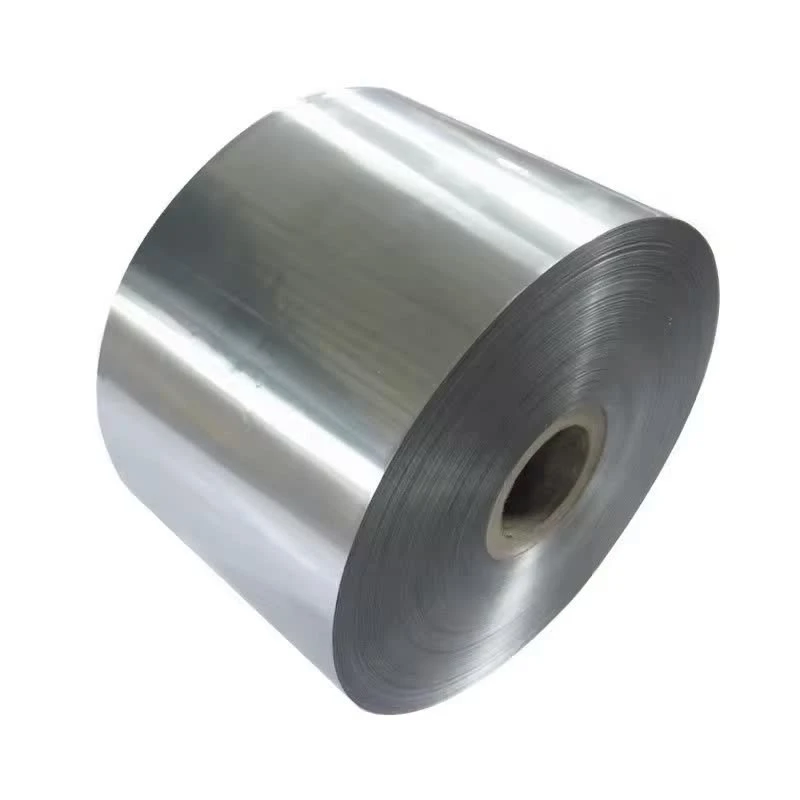
Before we jump into the details of roll diameter, let's briefly understand what an aluminum coated roll is. An Aluminum Coated Roll is a type of aluminum product that has a coating applied to its surface. This coating can serve multiple purposes, such as enhancing corrosion resistance, improving aesthetics, or providing additional protection against environmental factors. These rolls are commonly used in industries like construction, automotive, and packaging.
What is the Standard Roll Diameter?
There isn't a one - size - fits - all answer when it comes to the standard roll diameter of an aluminum coated roll. The standard can vary depending on several factors, including the end - use application, manufacturing capabilities, and customer requirements.
In general, for common industrial applications, roll diameters can range from 400mm to 1500mm. Smaller diameter rolls, around 400mm - 600mm, are often used in applications where space is limited or when a more flexible material handling process is required. For example, in some small - scale manufacturing operations or in applications where the roll needs to be easily maneuvered, these smaller diameter rolls are preferred.
On the other hand, larger diameter rolls, typically 1000mm - 1500mm, are commonly used in high - volume production environments. These larger rolls can hold more material, reducing the frequency of roll changes during the manufacturing process. This leads to increased productivity and efficiency, especially in continuous production lines.
Factors Influencing Roll Diameter
Manufacturing Equipment
The capabilities of the manufacturing equipment play a significant role in determining the roll diameter. Coating machines, slitting machines, and other processing equipment have specific limitations in terms of the maximum and minimum roll diameters they can handle. Manufacturers need to ensure that the roll diameter is within the operating range of their equipment to ensure smooth production. For instance, if a coating machine has a maximum roll diameter capacity of 1200mm, it won't be able to process rolls larger than this size.
Transportation and Storage
Transportation and storage requirements also influence the choice of roll diameter. Larger diameter rolls may be more difficult to transport due to their size and weight. They may require specialized handling equipment and larger vehicles for transportation. In addition, storage space needs to be considered. A warehouse may have limited space, and larger diameter rolls may take up more floor area. Therefore, in some cases, smaller diameter rolls are preferred to optimize transportation and storage costs.
End - Use Application
The end - use application is perhaps the most crucial factor in determining the roll diameter. Different industries have different requirements. In the construction industry, for example, when using Painted Aluminum Coil for roofing or cladding, larger diameter rolls are often used to cover larger areas without frequent splicing. This reduces installation time and potential leakage points.
In the automotive industry, smaller diameter rolls may be used for interior trim components. These components often require more precise handling and may be produced in smaller batches, making smaller diameter rolls more suitable.
Why Roll Diameter Matters
Productivity
As mentioned earlier, larger diameter rolls can significantly increase productivity in high - volume production environments. With fewer roll changes, the production line can run continuously for longer periods, reducing downtime and increasing overall output. This is especially important in industries where time is of the essence, such as mass - produced consumer goods manufacturing.
Quality
The roll diameter can also affect the quality of the final product. A consistent roll diameter ensures uniform tension during the coating and processing operations. This uniformity is crucial for achieving a high - quality coating finish and dimensional accuracy of the final product. For example, if the roll diameter varies significantly during the coating process, it can lead to uneven coating thickness, which may affect the performance and appearance of the product.
Cost - Effectiveness
Choosing the right roll diameter can lead to cost savings. By optimizing the roll diameter based on transportation, storage, and production requirements, companies can reduce costs associated with handling, shipping, and production downtime. For example, using larger diameter rolls in a high - volume production line can reduce the cost per unit of production due to increased efficiency.
Choosing the Right Roll Diameter for Your Needs
As a supplier of Aluminum Coated Rolls, I understand that every customer has unique requirements. When choosing the roll diameter, it's important to consider the following steps:
Analyze Your Application
First, analyze your specific application. Consider factors such as the size of the area to be covered, the production volume, and the handling requirements. If you're in the construction industry and need to cover a large building facade, a larger diameter roll may be more suitable. If you're producing small - scale components in a limited - space workshop, a smaller diameter roll might be the better choice.
Consult with Your Supplier
As an experienced supplier, I can provide valuable insights and recommendations based on your needs. I have in - depth knowledge of the manufacturing process, transportation, and storage requirements, and can help you select the most appropriate roll diameter. I can also provide samples of different roll diameters for you to test in your application.
Consider Future Expansion
If you plan to expand your production in the future, it's important to choose a roll diameter that can accommodate this growth. For example, if you expect to increase your production volume significantly in the next few years, it may be wise to choose a larger roll diameter from the start to avoid the need for major equipment upgrades later.
Conclusion
In conclusion, the standard roll diameter of an aluminum coated roll is not a fixed value but varies depending on multiple factors. Understanding these factors and their impact on your application is crucial for making an informed decision. As a supplier of Aluminum Coated Roll, I'm committed to providing high - quality products and expert advice to help you choose the right roll diameter for your specific needs.
If you're interested in purchasing Aluminum Coated Rolls or have any questions about roll diameter selection, please don't hesitate to contact me. I'd be more than happy to assist you in finding the perfect solution for your project.
References
- "Aluminum Coil Handbook", Industry Standard Publication
- "Manufacturing Processes for Aluminum Products", Research Journal on Metal Manufacturing