

What is the sound insulation performance of an aluminum coated roll?
As a supplier of Aluminum Coated Rolls, I've had numerous inquiries about the sound insulation performance of these products. Sound insulation is a crucial factor in many construction and industrial applications, and understanding how aluminum coated rolls fare in this aspect can help customers make informed decisions.
Understanding Aluminum Coated Rolls
Aluminum coated rolls are versatile materials that find applications in a wide range of industries, from construction to automotive. They are made by applying a protective coating to aluminum sheets, which enhances their durability, corrosion resistance, and aesthetic appeal. The coating can be customized to meet specific requirements, such as color, finish, and functionality.
One of the key advantages of aluminum coated rolls is their lightweight nature. Aluminum is a relatively light metal, which makes it easy to handle and install. This is particularly beneficial in applications where weight is a concern, such as in the aerospace and automotive industries. Additionally, aluminum coated rolls are highly recyclable, making them an environmentally friendly choice.
Sound Insulation Mechanisms
To understand the sound insulation performance of aluminum coated rolls, it's important to first understand how sound travels and how it can be blocked. Sound is a mechanical wave that travels through a medium, such as air or a solid material. When sound waves encounter a barrier, they can be reflected, absorbed, or transmitted through the material.
The effectiveness of a material's sound insulation depends on several factors, including its density, thickness, and structure. Generally, denser and thicker materials are better at blocking sound. However, the structure of the material also plays a crucial role. For example, materials with a porous or fibrous structure can absorb sound waves, while materials with a smooth surface can reflect them.
Sound Insulation Performance of Aluminum Coated Rolls
Aluminum coated rolls have several properties that contribute to their sound insulation performance. Firstly, aluminum itself is a relatively dense material, which helps to block sound waves. The coating on the aluminum roll can also enhance its sound insulation properties. Some coatings are designed to absorb sound, while others can reflect it.
The thickness of the aluminum coated roll also affects its sound insulation performance. Thicker rolls generally provide better sound insulation than thinner ones. However, it's important to note that the relationship between thickness and sound insulation is not linear. As the thickness of the roll increases, the improvement in sound insulation becomes less significant.
Another factor that affects the sound insulation performance of aluminum coated rolls is the installation method. Proper installation is crucial to ensure that the roll forms a tight seal and minimizes sound leakage. For example, in construction applications, the rolls should be installed with proper joints and seals to prevent sound from passing through the gaps.
Applications of Aluminum Coated Rolls for Sound Insulation
Aluminum coated rolls are used in a variety of applications where sound insulation is required. In the construction industry, they are commonly used in roofing, wall cladding, and partitions. The sound insulation properties of aluminum coated rolls can help to create a more comfortable and quiet indoor environment.

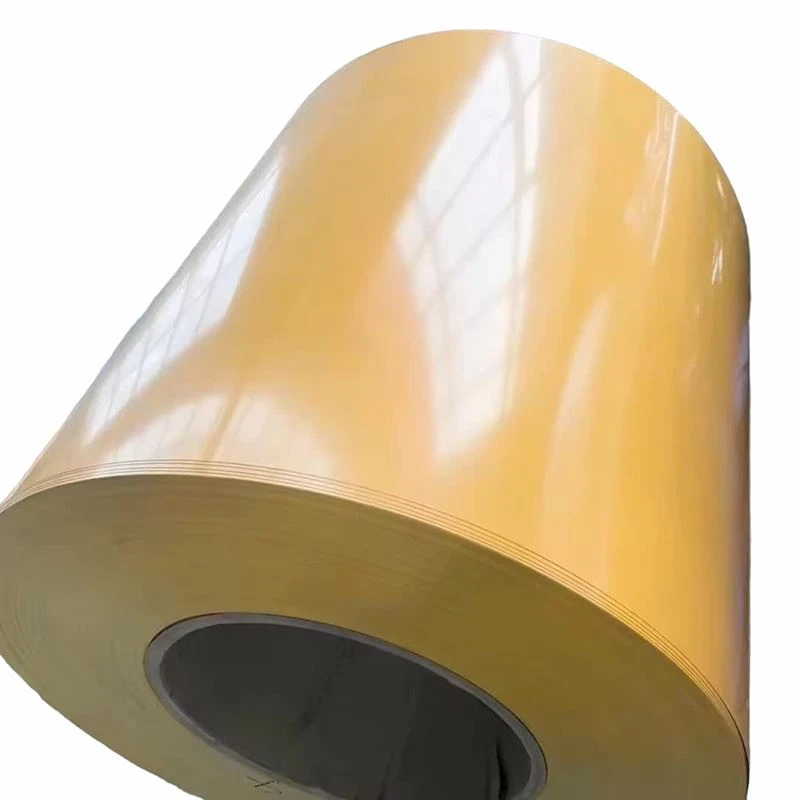
In the automotive industry, aluminum coated rolls are used in the manufacturing of car bodies and interiors. They can help to reduce noise from the engine, road, and wind, improving the overall driving experience. Additionally, aluminum coated rolls are used in the aerospace industry to insulate aircraft cabins and reduce noise levels.
Comparing Aluminum Coated Rolls with Other Sound Insulation Materials
When considering sound insulation materials, it's important to compare aluminum coated rolls with other options available in the market. Some common sound insulation materials include fiberglass, mineral wool, and foam.
Fiberglass and mineral wool are known for their excellent sound absorption properties. They are often used in applications where noise reduction is a top priority, such as in recording studios and theaters. However, these materials can be bulky and difficult to install.
Foam materials, on the other hand, are lightweight and easy to install. They are commonly used in automotive and aerospace applications. However, foam materials may not provide as much sound insulation as denser materials.
Aluminum coated rolls offer a good balance between sound insulation performance, durability, and ease of installation. They are lightweight, easy to handle, and can be customized to meet specific requirements. Additionally, aluminum coated rolls are highly recyclable, making them an environmentally friendly choice.
Conclusion
In conclusion, aluminum coated rolls have a decent sound insulation performance, thanks to the density of aluminum and the properties of the coating. Their sound insulation capabilities can be further enhanced by choosing the right thickness and installation method. Whether you're in the construction, automotive, or aerospace industry, aluminum coated rolls can be a viable option for sound insulation applications.
If you're interested in learning more about our Aluminum Coated Roll products or discussing your specific sound insulation needs, please feel free to reach out. We also offer Paint Aluminum Coil and Premium Coils that may suit your requirements. Our team of experts is ready to assist you in finding the best solution for your project.
References
- "Sound Insulation in Buildings" by David W. Davies
- "Aluminum Alloys: Structure and Properties" by John E. Hatch
- Industry reports on the use of aluminum coated rolls in various applications.