

Hey there! As a supplier of Coated Aluminum Roll, I've been getting a lot of questions lately about the quality control standards for our product. So, I thought I'd take a few minutes to break it down for you all.
Why Quality Control Matters
First off, let's talk about why quality control is such a big deal. When you're in the market for Coated Aluminum Roll, you're looking for a product that's going to last. Whether it's for construction, automotive, or any other application, you need something that can withstand the elements and daily wear and tear. That's where quality control comes in. It ensures that every roll we produce meets a certain set of standards, so you can have peace of mind knowing you're getting a top - notch product.
Physical Properties
One of the key aspects of quality control for Coated Aluminum Roll is checking the physical properties. This includes things like thickness, width, and length. The thickness of the aluminum base is crucial as it affects the strength and durability of the roll. We use precision measuring tools to make sure that the thickness is within the specified range. For example, if a customer orders a Coated Aluminum Roll with a thickness of 0.5mm, we'll double - check to ensure that the actual thickness is as close to 0.5mm as possible, with only a very small margin of error.
The width and length also need to be accurate. Imagine if you ordered a roll that was supposed to be 1200mm wide, but it arrived 1180mm wide. That could cause a lot of problems in your project. So, we have strict guidelines for these dimensions and conduct regular checks during the manufacturing process.
Coating Quality
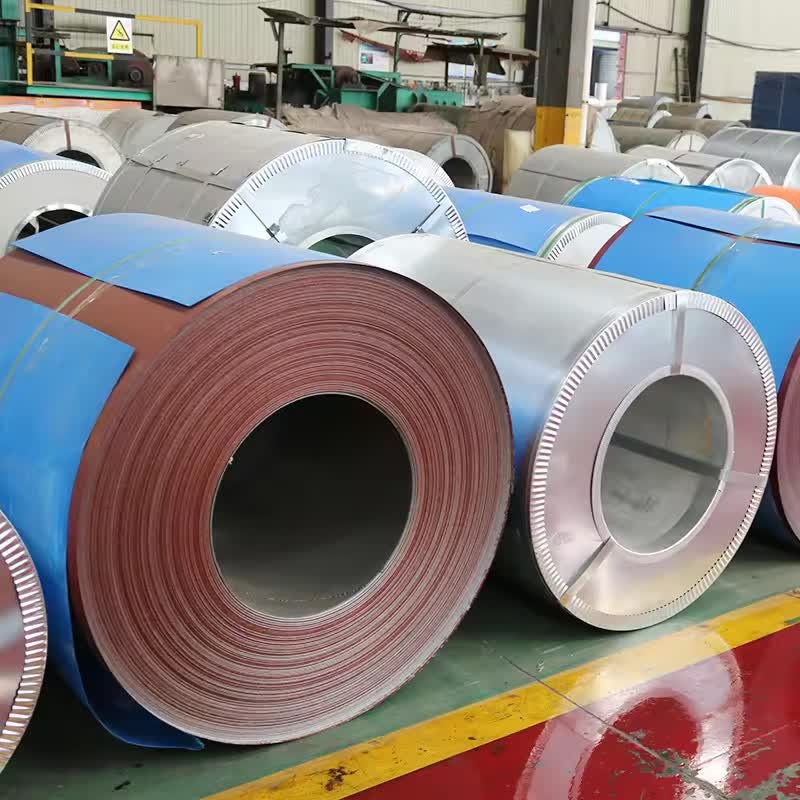
The coating on the aluminum roll is what gives it its aesthetic appeal and additional protection. There are several factors we consider when evaluating coating quality.
Adhesion
The first thing we look at is the adhesion of the coating to the aluminum base. A good coating should stick firmly to the surface. We use a cross - hatch test to measure adhesion. In this test, we make a series of small cuts in the coating in a grid pattern and then apply a piece of adhesive tape. When we peel off the tape, we check to see how much of the coating comes off. If more than a certain percentage of the coating is removed, then the adhesion is not up to standard, and we'll take steps to correct it.
Thickness of the Coating
Just like the thickness of the aluminum base, the thickness of the coating is also important. A coating that's too thin may not provide adequate protection, while a coating that's too thick can be wasteful and may cause other issues. We use specialized equipment to measure the coating thickness at multiple points across the roll to ensure uniformity.
Color Consistency
Color is a big factor, especially if you're using the Coated Aluminum Roll for an application where appearance matters. We use colorimeters to measure the color of the coating. These devices compare the color of the roll to a standard color sample provided by the customer. Any significant deviation from the standard color is unacceptable, and we'll work to adjust the coating process to get the right color.
Chemical Resistance
Another important quality control standard is chemical resistance. Coated Aluminum Roll may be exposed to various chemicals in different environments. For example, in an industrial setting, it could come into contact with acids or alkalis. We conduct chemical resistance tests to ensure that the coating can withstand these substances.
We'll immerse small samples of the Coated Aluminum Roll in different chemical solutions for a specific period of time and then check for any signs of damage, such as discoloration, blistering, or corrosion. If the roll fails these tests, we'll modify the coating formula or application process to improve its chemical resistance.
Surface Finish
The surface finish of the Coated Aluminum Roll should be smooth and free of defects. We visually inspect each roll for any scratches, dents, or other surface imperfections. Even a small scratch can compromise the integrity of the coating and make the roll more susceptible to corrosion. In addition to visual inspection, we also use surface roughness testers to measure the smoothness of the surface. A rough surface can cause problems in some applications, such as when the roll is being used for a high - end architectural project where a sleek appearance is required.
Our Quality Assurance Process
At our company, we have a comprehensive quality assurance process. Every roll goes through multiple inspections at different stages of the manufacturing process. From the raw materials to the finished product, we're constantly monitoring and testing to ensure that the Coated Aluminum Roll meets our high - quality standards.
We also keep detailed records of all the quality control tests we conduct. This allows us to track the performance of each batch of rolls and identify any trends or issues that may arise. If we notice that a particular batch has a higher rate of a certain defect, we can quickly take corrective action to prevent similar problems in future batches.
Conclusion
So, there you have it – a breakdown of the quality control standards for Coated Aluminum Roll. We take quality very seriously because we know that our customers rely on us to provide them with a product that meets their needs. Whether you're in the market for Aluminum Paint Coil, Painted Aluminum Coil, or Pre Painted Aluminum Sheet, you can trust that our Coated Aluminum Roll is made with the highest level of quality in mind.
If you're interested in purchasing Coated Aluminum Roll or have any questions about our products, don't hesitate to reach out. We're always happy to have a chat and discuss how we can meet your specific requirements.
References
- "Aluminum Coating Technology Handbook", Industry Press, 20XX
- "Quality Control in Metal Manufacturing", Academic Publishers, 20XX