

As a seasoned supplier of Aluminum Paint Coil, I've witnessed firsthand the significance of a rigorous quality control process in ensuring the production of top-notch products. In this blog, I'll delve into the comprehensive quality control process that we implement at our facility to guarantee the excellence of our aluminum paint coils.
Raw Material Inspection
The quality control journey begins with the inspection of raw materials. Aluminum coils, which serve as the base for our painted products, are carefully examined upon arrival. We assess the chemical composition of the aluminum to ensure it meets the required standards. This involves conducting spectroscopic analysis to determine the exact percentages of elements such as silicon, iron, copper, and magnesium. Any deviation from the specified composition can affect the mechanical properties and corrosion resistance of the final product.
In addition to chemical analysis, we also inspect the physical properties of the aluminum coils. This includes checking the thickness, width, and surface flatness. Deviations in these dimensions can lead to issues during the painting process and affect the overall appearance and performance of the painted coil. We use precision measuring tools such as calipers and micrometers to ensure that the dimensions are within the acceptable tolerance range.
Surface Preparation
Before the painting process begins, the aluminum coils undergo a thorough surface preparation. This step is crucial as it ensures proper adhesion of the paint to the aluminum surface. The surface preparation typically involves degreasing, cleaning, and chemical conversion coating.
Degreasing is the first step in the surface preparation process. It removes any oils, greases, or contaminants from the aluminum surface. We use specialized degreasing agents that are environmentally friendly and effective in removing stubborn contaminants. After degreasing, the coils are thoroughly rinsed to remove any residue.
Next, the coils are cleaned to remove any dirt, dust, or other particles that may be present on the surface. This is usually done using a high-pressure water jet or a chemical cleaning solution. The cleaning process helps to create a clean and smooth surface for the paint to adhere to.
Finally, a chemical conversion coating is applied to the aluminum surface. This coating helps to improve the corrosion resistance of the aluminum and provides a better surface for paint adhesion. The most commonly used conversion coatings for aluminum are chromate and non-chromate coatings. Chromate coatings are known for their excellent corrosion resistance, but they contain hexavalent chromium, which is a toxic substance. As a result, many manufacturers are now switching to non-chromate coatings, which are more environmentally friendly.
Painting Process
Once the surface preparation is complete, the aluminum coils are ready for the painting process. We use a state-of-the-art coil coating line that is equipped with advanced technology and equipment to ensure a consistent and high-quality paint finish.
The painting process typically involves two or more coats of paint. The first coat is usually a primer, which provides a base for the topcoat and helps to improve the adhesion and corrosion resistance of the paint. The primer is applied using a roller or a spray gun, depending on the type of paint and the requirements of the product.
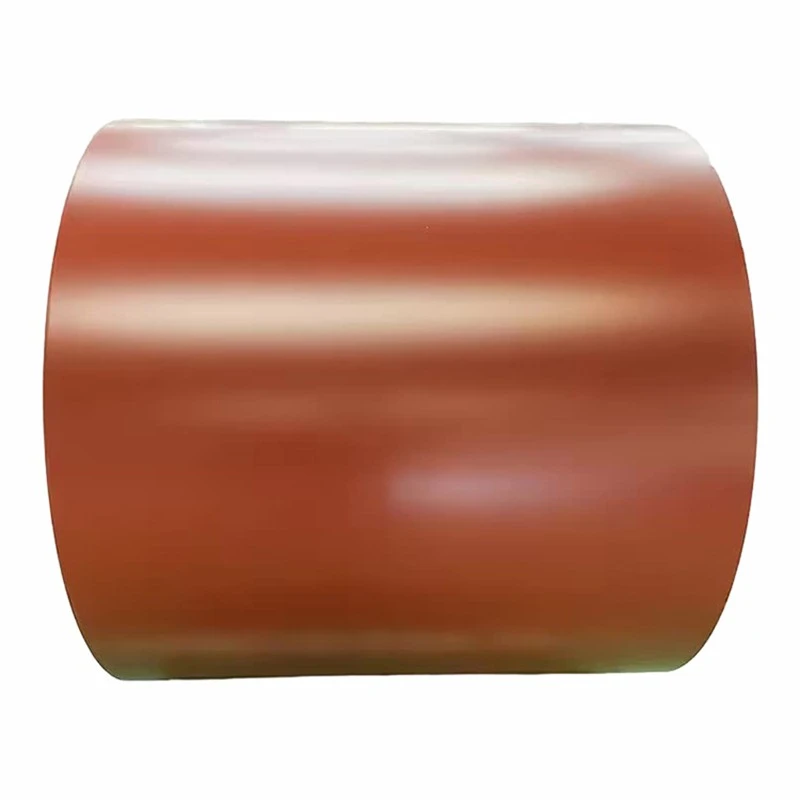
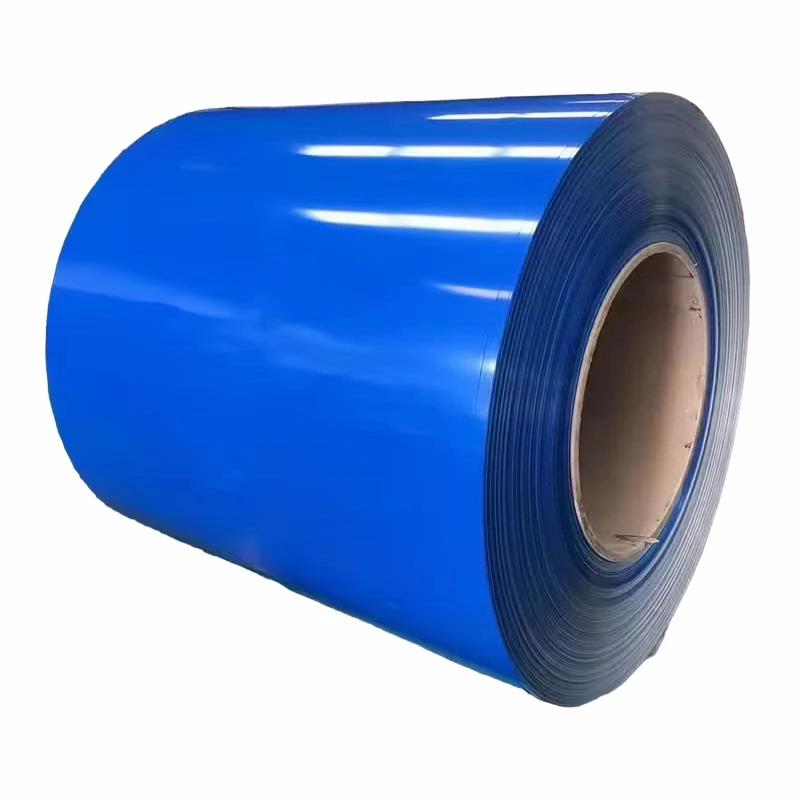
After the primer has dried, the topcoat is applied. The topcoat is the visible layer of the paint and provides the desired color and finish. We offer a wide range of colors and finishes to meet the diverse needs of our customers. The topcoat is also applied using a roller or a spray gun, and it is cured at a high temperature to ensure proper adhesion and durability.
During the painting process, we closely monitor the thickness, color, and appearance of the paint. We use specialized measuring tools such as dry film thickness gauges and colorimeters to ensure that the paint meets the required specifications. Any deviations from the specifications are immediately addressed to ensure the quality of the final product.
Quality Inspection
After the painting process is complete, the aluminum paint coils undergo a comprehensive quality inspection. This inspection is conducted at multiple stages to ensure that the product meets the highest standards of quality.
The first stage of the quality inspection is a visual inspection. Our trained inspectors carefully examine the surface of the painted coils for any defects such as scratches, dents, or uneven paint coverage. Any coils that do not meet the visual standards are rejected and sent back for rework.
In addition to the visual inspection, we also conduct a series of physical and chemical tests to ensure the quality of the paint. These tests include adhesion testing, hardness testing, flexibility testing, and corrosion resistance testing. Adhesion testing measures the strength of the bond between the paint and the aluminum surface. Hardness testing measures the resistance of the paint to indentation or scratching. Flexibility testing measures the ability of the paint to bend or stretch without cracking. Corrosion resistance testing measures the ability of the paint to protect the aluminum surface from corrosion.
We also conduct a final inspection before the coils are packaged and shipped to our customers. This inspection ensures that the coils are properly labeled, packaged, and ready for transportation. Any coils that do not pass the final inspection are not shipped and are either reworked or scrapped.
Packaging and Shipping
Once the quality inspection is complete, the aluminum paint coils are carefully packaged to protect them during transportation. We use high-quality packaging materials such as plastic film, cardboard, and wooden pallets to ensure that the coils are well-protected.
The coils are then loaded onto trucks or containers and shipped to our customers. We work closely with our logistics partners to ensure that the coils are delivered on time and in good condition. We also provide our customers with tracking information so that they can monitor the progress of their shipments.
Conclusion
In conclusion, the quality control process for aluminum paint coil production is a comprehensive and rigorous process that involves multiple stages of inspection and testing. By implementing a strict quality control process, we are able to ensure the production of high-quality aluminum paint coils that meet the highest standards of quality and performance.
If you are interested in purchasing Painted Aluminum Coil, Color Coating Aluminum Coil, or Painted Aluminium Coil, please feel free to contact us. We would be happy to discuss your requirements and provide you with a quote.
References
- ASTM International. (2023). ASTM standards for aluminum and aluminum alloys.
- ISO. (2023). ISO standards for quality management systems.
- Coil Coating Institute. (2023). Technical guidelines for coil coating.