

As a seasoned supplier of Aluminum Coil Rolls, I often encounter inquiries about the maximum length of these products. This question is crucial for many industries, including construction, automotive, and manufacturing, as it directly impacts the efficiency and cost - effectiveness of their projects. In this blog, I'll delve into the factors that determine the maximum length of an aluminum coil roll, and share some insights based on my years of experience in the industry.
Factors Affecting the Maximum Length of Aluminum Coil Rolls
1. Manufacturing Capabilities
The primary determinant of the maximum length of an aluminum coil roll is the manufacturing process. Our production facilities are equipped with state - of - the - art machinery that can handle large - scale production. However, there are physical limitations to the length that can be produced in a single continuous process. The rolling mills we use have specific dimensions and operational constraints. For example, the width of the rolling mill determines the maximum width of the coil, and this, in turn, affects the length. If the width is larger, the weight of the coil for a given length will be greater, which may put excessive stress on the machinery during the rolling process.
2. Material Properties
Aluminum is a versatile metal, but its properties also play a role in determining the maximum length of the coil. The alloy type, thickness, and temper of the aluminum all have an impact. For instance, some high - strength aluminum alloys are more difficult to roll into long coils compared to softer alloys. Thicker coils are also more challenging to produce in long lengths because they are heavier and more rigid. The temper of the aluminum, which refers to its hardness and ductility, can affect how well it can be wound into a coil. A coil with a very high temper may crack or break during the winding process if it is too long.
3. Transportation and Handling
Another important factor is transportation and handling. Once the aluminum coil roll is produced, it needs to be transported to the customer's location. The maximum length of the coil is often limited by the transportation infrastructure, such as the size of trucks, trains, or shipping containers. Longer coils may require special handling equipment and may be more difficult to load and unload. Additionally, during transportation, longer coils are more prone to damage, such as kinking or bending, which can render them unusable.
Typical Maximum Lengths in the Industry
Based on the above factors, the typical maximum length of an aluminum coil roll can vary widely. In general, for standard commercial applications, the maximum length can range from a few hundred meters to several kilometers. For thinner coils (less than 1mm in thickness), it is possible to produce coils that are up to 5 kilometers long. These thin coils are often used in applications such as packaging and electrical components.
For thicker coils, say between 1mm and 6mm in thickness, the maximum length is usually limited to around 1 - 2 kilometers. These coils are commonly used in construction and automotive industries. Coils with a thickness greater than 6mm are typically produced in shorter lengths, often less than 500 meters, due to the increased weight and difficulty in handling.
Our Product Offerings
As a leading supplier of Aluminum Coil Rolls, we offer a wide range of products to meet the diverse needs of our customers. We have Premium Coils that are made from high - quality aluminum alloys and are available in various lengths and thicknesses. Our Color Aluminum Coil is a popular choice for architectural applications, as it offers both aesthetic appeal and durability. We also provide Aluminum Coated Roll that has enhanced corrosion resistance, suitable for outdoor and marine applications.
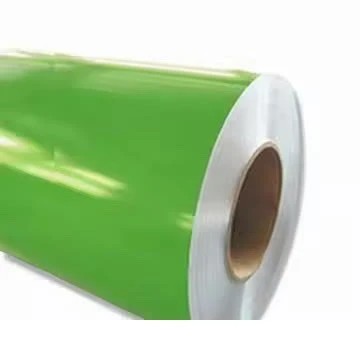
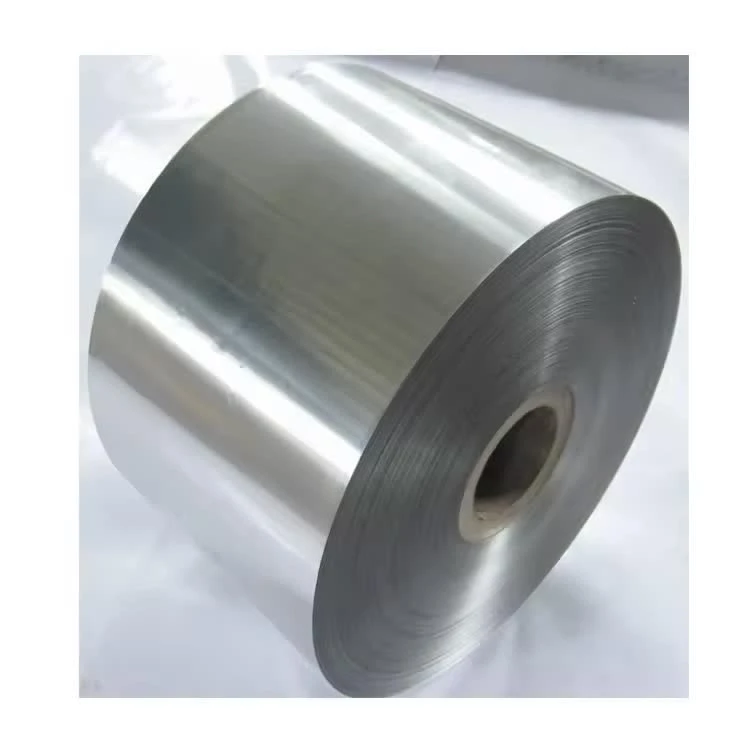
We understand that every customer has unique requirements, and we are committed to working closely with our clients to provide customized solutions. Whether you need a long - length coil for a large - scale project or a short - length coil for a specific application, we can help.
Meeting Custom Requirements
If you have a project that requires an aluminum coil roll with a specific length that is beyond the standard offerings, we are equipped to handle custom orders. Our team of experienced engineers and technicians can work with you to design and produce a coil that meets your exact specifications. We have the expertise and the technology to overcome the challenges associated with producing long - length coils, such as ensuring proper tension during the rolling process and using advanced handling techniques to prevent damage.
The Importance of Quality Control
Regardless of the length of the aluminum coil roll, quality control is of utmost importance. We have a strict quality control system in place to ensure that every coil we produce meets the highest industry standards. From the raw material inspection to the final product testing, we monitor every step of the production process. This includes checking the dimensions, surface finish, and mechanical properties of the coil. By maintaining high - quality standards, we can ensure that our customers receive reliable and durable products.
Contact Us for Your Aluminum Coil Roll Needs
If you are in the market for aluminum coil rolls, I encourage you to reach out to us. We have a team of dedicated sales representatives who can provide you with detailed information about our products, including the maximum lengths available, pricing, and delivery options. Whether you are a small - scale manufacturer or a large - scale construction company, we have the products and the expertise to meet your needs.
Don't hesitate to contact us to discuss your project requirements and start a fruitful business relationship. We look forward to serving you and helping you achieve your project goals with our high - quality aluminum coil rolls.
References
- Aluminum Association. (2023). Aluminum Coil Manufacturing Guide.
- International Journal of Metal Forming. (2022). Research on the Effect of Alloy Type on Aluminum Coil Rolling.
- Transportation Research Board. (2021). Guidelines for Transporting Large - Scale Metal Products.