

As a seasoned supplier of Aluminum Coil Rolls, I've encountered numerous inquiries regarding the magnetic properties of these versatile products. In this blog post, I'll delve into the science behind the magnetic behavior of aluminum coil rolls, exploring the factors that influence it and its practical implications in various industries.
Understanding the Basics of Magnetism
Before we dive into the specifics of aluminum's magnetic properties, let's first review the fundamental concepts of magnetism. Magnetism is a force that can attract or repel certain materials. Materials can be classified into three main categories based on their magnetic behavior: ferromagnetic, paramagnetic, and diamagnetic.
- Ferromagnetic materials are strongly attracted to magnets and can be magnetized themselves. Examples include iron, nickel, and cobalt.
- Paramagnetic materials are weakly attracted to magnets. Their magnetic properties are much weaker than those of ferromagnetic materials and are only noticeable in the presence of a strong magnetic field.
- Diamagnetic materials are repelled by magnets. They have a very weak magnetic response and are often considered non - magnetic in everyday applications.
The Magnetic Nature of Aluminum
Aluminum is a diamagnetic material. This means that it is repelled by a magnetic field, although the effect is extremely weak. The diamagnetic behavior of aluminum arises from the way its electrons interact with an external magnetic field.
In an atom, electrons orbit the nucleus in specific energy levels. When an external magnetic field is applied, the electrons' orbits are slightly altered. In diamagnetic materials like aluminum, this alteration creates a small magnetic field that opposes the applied field, resulting in a weak repulsive force.
The magnetic susceptibility of aluminum, which is a measure of how easily a material can be magnetized, is approximately - 1.64×10⁻⁵. The negative sign indicates its diamagnetic nature, and the small magnitude shows that the magnetic effect is quite feeble.
Factors Affecting the Magnetic Behavior of Aluminum Coil Rolls
While aluminum is inherently diamagnetic, several factors can influence the apparent magnetic behavior of aluminum coil rolls:
- Alloying elements: Pure aluminum has a consistent diamagnetic property. However, when aluminum is alloyed with other elements, the magnetic behavior can change. For example, some aluminum alloys may contain small amounts of ferromagnetic elements like iron or nickel. These elements can introduce a weak ferromagnetic or paramagnetic component to the alloy, making it slightly more responsive to magnetic fields.
- Surface contaminants: If the surface of the aluminum coil roll is contaminated with ferromagnetic particles, such as iron dust or rust, it may appear to be attracted to a magnet. These contaminants can mask the true diamagnetic nature of the aluminum and give the false impression that the coil roll is magnetic.
- Temperature: The magnetic properties of materials can be affected by temperature. In general, as the temperature increases, the magnetic susceptibility of diamagnetic materials like aluminum changes slightly. However, these changes are usually negligible in normal operating temperatures.
Practical Implications of Aluminum's Magnetic Properties
The weak diamagnetic property of aluminum coil rolls has several practical implications in different industries:
- Electrical applications: Aluminum is widely used in electrical wiring and components because of its good electrical conductivity and low cost. Its non - magnetic nature is an advantage in many electrical applications, as it does not interfere with magnetic fields generated by electrical currents. For example, in transformers and motors, aluminum coils can be used without causing magnetic interference, which helps to improve the efficiency and performance of these devices.
- Food and beverage packaging: Aluminum coil rolls are commonly used for food and beverage packaging. The non - magnetic property of aluminum is beneficial in this context, as it allows for easy handling and processing on conveyor belts and in packaging machinery that may use magnetic sensors. The lack of magnetic attraction ensures that the aluminum packaging does not interfere with the operation of these sensors.
- Medical equipment: In the medical field, aluminum is used in various equipment and devices. Its non - magnetic nature makes it suitable for use in magnetic resonance imaging (MRI) machines, where any ferromagnetic materials could cause significant interference with the magnetic field and produce inaccurate images.
Our Aluminum Coil Roll Products
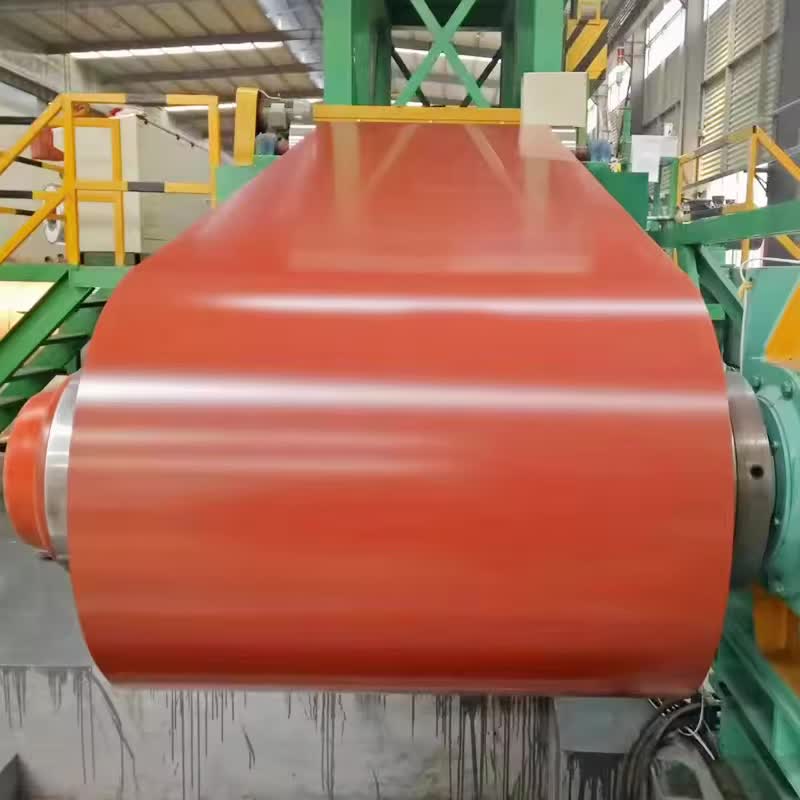
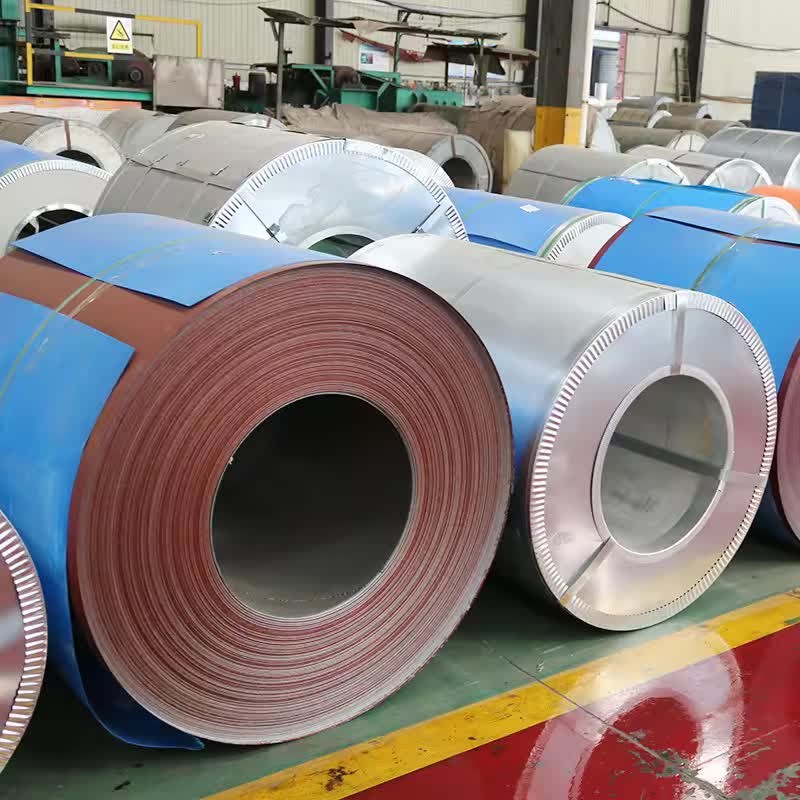
At our company, we offer a wide range of high - quality Aluminum Coil Rolls. Our products are available in different thicknesses, widths, and alloys to meet the diverse needs of our customers. Whether you need Coating Aluminum Coil for architectural applications, Aluminium Coated Roll for industrial use, or Paint Aluminium Coil for decorative purposes, we have the right solution for you.
We ensure that our aluminum coil rolls are of the highest quality, with strict quality control measures in place to minimize surface contaminants and ensure consistent magnetic properties. Our team of experts is always available to provide technical support and advice on the best product for your specific application.
Contact Us for Procurement
If you're interested in purchasing Aluminum Coil Rolls, we invite you to get in touch with us. Whether you have questions about the magnetic properties, need a custom - made product, or simply want to discuss your requirements, our sales team is ready to assist you. We are committed to providing excellent customer service and delivering products that meet your expectations.
References
- Cullity, B. D., & Graham, C. D. (2008). Introduction to Magnetic Materials. Wiley - Interscience.
- Ashcroft, N. W., & Mermin, N. D. (1976). Solid State Physics. Holt, Rinehart and Winston.
- Kittel, C. (2004). Introduction to Solid State Physics. Wiley.