

Hey there! As a supplier of ACP sheets for kitchens, I've gotten tons of questions about how well these sheets can handle impacts. Today, I'm gonna break down what the impact resistance of ACP sheets for the kitchen is all about.
First off, let's talk about what ACP sheets are. Aluminium Composite Panels (ACPs) are made up of two thin aluminium sheets bonded to a non - aluminium core. For kitchen applications, they're a popular choice because they look sleek, are easy to clean, and can give your kitchen a modern touch.
So, what exactly is impact resistance? It's basically the ability of a material to withstand a sudden force or shock without getting damaged. In a kitchen, things can get a bit chaotic. You might accidentally drop a pan, a plate could slip out of your hand, or a utensil might hit the countertop. That's where the impact resistance of ACP sheets comes into play.
One of the factors that determine the impact resistance of ACP sheets is the thickness of the aluminium layers. Thicker aluminium sheets generally offer better impact resistance. A standard ACP sheet for the kitchen usually has an aluminium layer thickness ranging from 0.2mm to 0.5mm. The thicker the layer, the more it can absorb the force of an impact and prevent the sheet from denting or cracking.
The core material also plays a crucial role. Different core materials have different properties. Some cores are more flexible, which can help in absorbing the shock of an impact. For example, a polyethylene (PE) core is quite flexible. When an object hits the ACP sheet, the PE core can deform slightly, spreading the force over a larger area and reducing the chances of damage. On the other hand, Fire Retardant Composite Paneling often have a mineral - filled core. These cores are more rigid but also offer good impact resistance, especially when it comes to protecting against small, sharp impacts.
Now, let's think about real - life scenarios in the kitchen. You're cooking a big meal, and a heavy pot accidentally falls on the ACP - covered countertop. If the ACP sheet has good impact resistance, it might just show a small mark, but it won't crack or break. This is important because a damaged countertop not only looks bad but can also become a breeding ground for bacteria.
Another aspect to consider is the installation of the ACP sheets. Proper installation is key to ensuring their impact resistance. If the sheets are not installed correctly, they might be more prone to damage. For example, if there are gaps between the sheets or if they're not firmly attached to the backing, an impact could cause the sheets to shift or even come loose.
When it comes to comparing ACP sheets with other materials commonly used in the kitchen, like granite or stainless steel, ACP sheets have their own advantages and disadvantages in terms of impact resistance. Granite is extremely hard and can handle heavy impacts well, but it's also very brittle. A sharp impact in the wrong place can cause it to crack. Stainless steel is more flexible than granite but can dent easily. ACP sheets offer a middle - ground. They're not as hard as granite but can withstand a fair amount of impact without cracking, and they're less likely to dent compared to stainless steel.
There are also different types of ACP sheets available in the market that are designed to enhance impact resistance. For instance, Perforated Aluminium Composite Panel can be used in the kitchen. The perforations can actually help in absorbing the energy of an impact. When an object hits the perforated panel, the air inside the perforations can compress, reducing the force transferred to the rest of the sheet.
The surface finish of the ACP sheet can also affect its impact resistance. A smooth, high - quality finish can make the sheet more resistant to scratches and small impacts. Some ACP sheets come with a protective coating that further enhances their durability. This coating can prevent the aluminium from getting scratched easily, which in turn helps in maintaining the overall integrity of the sheet.
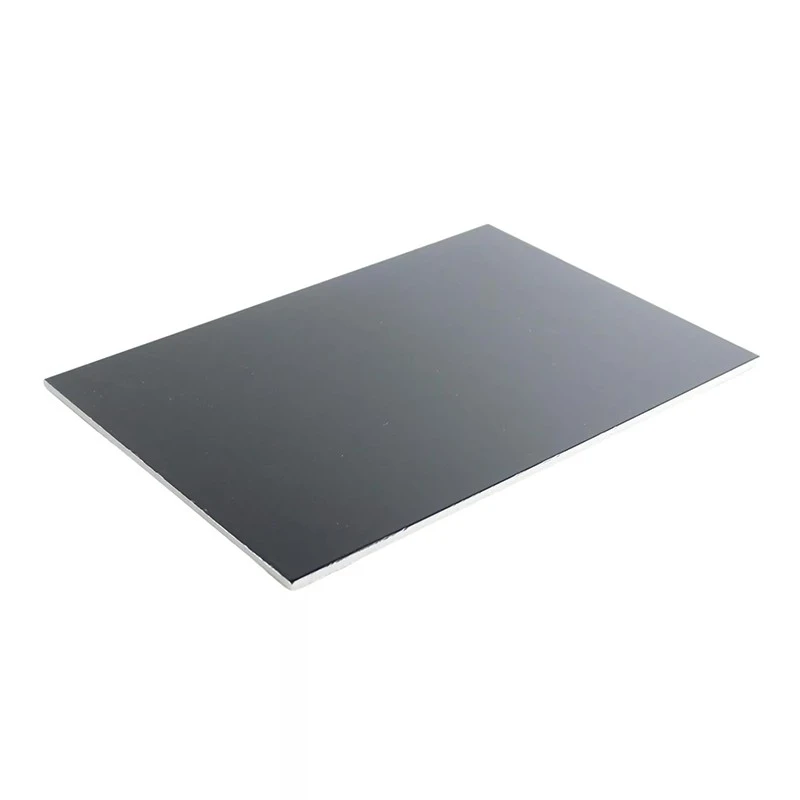
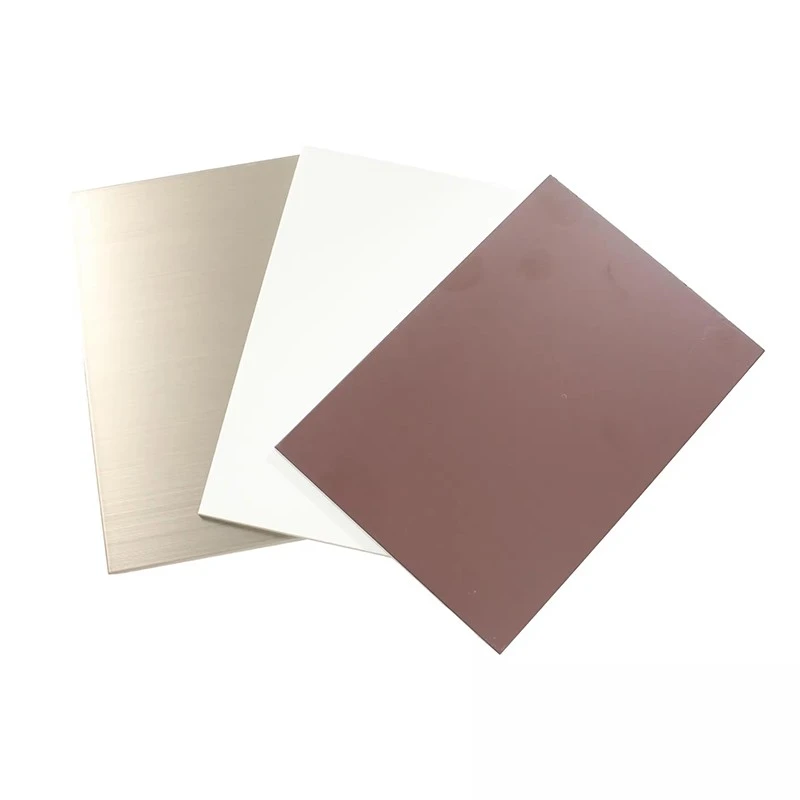
In a busy kitchen environment, where there's a lot of movement and activity, the impact resistance of ACP sheets is a major selling point. Homeowners and commercial kitchen owners alike are looking for materials that can stand up to the rigors of daily use. And that's where we, as ACP sheet suppliers, come in. We offer a wide range of Aluminium Composite Panels for Kitchen with different levels of impact resistance to suit different needs.
If you're in the market for ACP sheets for your kitchen, you need to consider your specific requirements. Are you running a commercial kitchen where there's a high volume of traffic and a greater chance of impacts? Or is it a home kitchen where the usage is more moderate? Based on your needs, you can choose the right ACP sheet with the appropriate level of impact resistance.
We understand that every kitchen is unique, and that's why we offer customization options. We can adjust the thickness of the aluminium layers, the type of core material, and the surface finish according to your preferences. This way, you can get an ACP sheet that not only looks great but also provides the level of impact resistance you need.
In conclusion, the impact resistance of ACP sheets for the kitchen is a complex but important factor. It depends on multiple elements such as the thickness of the aluminium layers, the core material, the surface finish, and even the type of panel (like perforated panels). As a supplier, we're committed to providing high - quality ACP sheets that can withstand the demands of any kitchen environment.
If you're interested in learning more about our ACP sheets or want to discuss your specific requirements for impact resistance, feel free to reach out. We'd be more than happy to help you find the perfect ACP sheets for your kitchen. Let's work together to make your kitchen not only beautiful but also durable!
References
- Aluminium Composite Panel Industry Reports
- Research on Building and Kitchen Materials