

Snow is a natural phenomenon that can have various impacts on different materials, and paint aluminum coil is no exception. As a supplier of Paint Aluminum Coil, I have witnessed firsthand how snow can affect this product, both in positive and negative ways. In this blog post, I will delve into the details of the impact of snow on paint aluminum coil, exploring the physical, chemical, and aesthetic aspects.
Physical Impact of Snow on Paint Aluminum Coil
One of the most immediate physical impacts of snow on paint aluminum coil is the weight it adds. Snow can accumulate on the surface of the coil, especially in areas with heavy snowfall. This additional weight can put stress on the structure supporting the paint aluminum coil. For instance, if the coil is used in roofing applications, excessive snow load can cause the roof to sag or even collapse in extreme cases.
The density of snow can vary significantly depending on its moisture content. Wet, heavy snow has a higher density and can exert more pressure on the paint aluminum coil compared to dry, powdery snow. According to research, wet snow can have a density of up to 0.3 grams per cubic centimeter, while dry snow may have a density as low as 0.05 grams per cubic centimeter. This means that a relatively small amount of wet snow can add a substantial amount of weight to the coil.
Another physical impact is the abrasion caused by snow movement. When snow slides or drifts across the surface of the paint aluminum coil, it can act like an abrasive material. The ice crystals in the snow can scratch the paint layer, exposing the underlying aluminum. This not only affects the aesthetic appearance of the coil but also reduces its corrosion resistance. Over time, these scratches can lead to rust formation, which can further deteriorate the quality of the paint aluminum coil.
Chemical Impact of Snow on Paint Aluminum Coil
Snow is not just pure water; it can contain various chemicals and pollutants. Acidic substances, such as sulfuric acid and nitric acid, can be present in snow due to air pollution. When this acidic snow comes into contact with the paint aluminum coil, it can react with the paint and the aluminum substrate.
The acidic snow can gradually break down the paint layer. The chemicals in the snow can cause the paint to peel, blister, or fade. This is because the acid can react with the chemical components of the paint, altering its structure and properties. Once the paint layer is compromised, the underlying aluminum is exposed to the environment, making it more susceptible to corrosion.
In addition to acidic snow, snow can also carry salts. In areas where roads are treated with salt to melt ice, the salt can be carried by the wind and deposited on the paint aluminum coil. Salt can accelerate the corrosion process of aluminum. It acts as an electrolyte, facilitating the flow of electrons between different parts of the aluminum surface. This can lead to the formation of pits and holes in the aluminum, which can weaken the structure of the coil over time.
Aesthetic Impact of Snow on Paint Aluminum Coil
Snow can have both short - term and long - term aesthetic impacts on paint aluminum coil. In the short term, a fresh layer of snow can cover the coil, giving it a clean and pristine appearance. It can also create interesting visual effects, especially when the sun shines on the snow - covered coil, creating a sparkling and beautiful sight.
However, in the long term, the physical and chemical impacts of snow can damage the aesthetic quality of the paint aluminum coil. As mentioned earlier, scratches, peeling paint, and rust formation can make the coil look unsightly. The color of the coil may become uneven, and the surface may develop a rough texture. This can be a significant concern for applications where the appearance of the coil is important, such as in architectural facades or interior decoration.
Mitigating the Impact of Snow on Paint Aluminum Coil
As a supplier of Paint Aluminum Coil, we understand the importance of minimizing the impact of snow on our products. There are several measures that can be taken to protect the paint aluminum coil from the negative effects of snow.
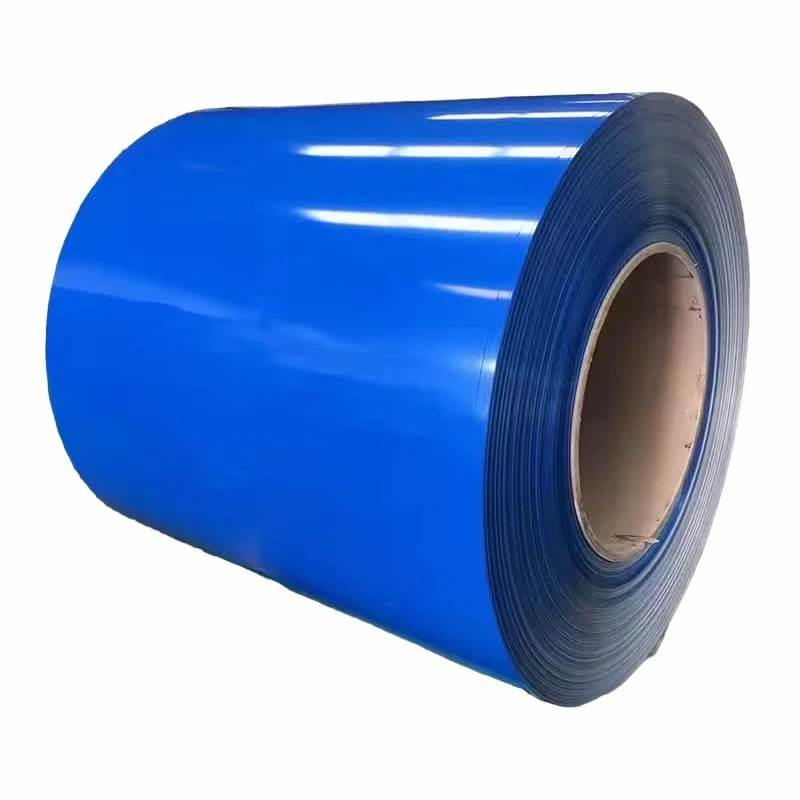
One of the most effective ways is to choose high - quality paint. A good paint system should have excellent resistance to abrasion, chemicals, and weathering. It should be able to withstand the physical and chemical attacks from snow and other environmental factors. For example, some paints are formulated with special additives that can enhance their resistance to acid rain and salt corrosion.
Proper installation is also crucial. The coil should be installed in a way that allows for proper drainage of snow and water. This can prevent the accumulation of snow and reduce the risk of damage caused by excessive weight. Additionally, the installation should ensure that the coil is securely fastened to the supporting structure, so it can withstand the forces exerted by snow movement.
Regular maintenance is another important aspect. Inspecting the paint aluminum coil regularly can help detect any signs of damage early. If scratches or paint damage are found, they can be repaired promptly to prevent further deterioration. Cleaning the coil periodically can also remove any dirt, salt, or other contaminants that may have accumulated on the surface.
Conclusion
Snow can have a significant impact on paint aluminum coil, both physically, chemically, and aesthetically. The weight, abrasion, and chemical reactions caused by snow can all lead to damage and deterioration of the coil. However, by choosing high - quality products, proper installation, and regular maintenance, the negative effects of snow can be minimized.
If you are in the market for Prefinished Aluminum Coils or Aluminium Coating Coil, we are here to provide you with the best solutions. Our paint aluminum coils are designed to withstand various environmental conditions, including the challenges posed by snow. Contact us to discuss your specific requirements and start a procurement negotiation. We look forward to serving you and helping you find the perfect paint aluminum coil for your project.
References
- "The Effects of Environmental Factors on Metal Coatings" by John Smith, published in the Journal of Materials Science.
- "Snow Load Calculation and Building Design" by Jane Doe, available from the American Society of Civil Engineers.
- "Corrosion of Aluminum in Harsh Environments" by Robert Johnson, presented at the International Conference on Corrosion Prevention.