

As a seasoned supplier of Paint Aluminum Coil, I've witnessed firsthand the growing demand for this versatile material across various industries. One of the most frequently asked questions by our clients is about the heat - resistance of paint aluminum coil. In this blog, I'll delve into the details of what heat - resistance means for paint aluminum coil, its influencing factors, and its practical applications.
Understanding Heat - Resistance of Paint Aluminum Coil
Heat - resistance refers to the ability of a material to withstand high temperatures without significant degradation in its physical and chemical properties. For paint aluminum coil, heat - resistance is a crucial characteristic, especially when it is used in environments with elevated temperatures.
The aluminum base of the coil itself has relatively good heat - conducting properties. Aluminum has a melting point of approximately 660°C (1220°F), which means it can maintain its structural integrity at moderately high temperatures. However, the paint coating on the aluminum coil plays a vital role in determining the overall heat - resistance of the product.
There are different types of paint coatings available for aluminum coils, each with its own heat - resistance capabilities. For instance, some epoxy - based paints can withstand temperatures up to 150°C (302°F), while silicone - based paints can handle much higher temperatures, sometimes reaching up to 600°C (1112°F). The choice of paint coating depends on the specific application requirements.
Factors Influencing Heat - Resistance
Several factors can influence the heat - resistance of paint aluminum coil.
Type of Paint
As mentioned earlier, the type of paint used is a major determinant. Different paint formulations have different chemical compositions, which affect their heat - tolerance levels. For example, paints with high - performance polymers or ceramic additives tend to have better heat - resistance. These additives can form a protective layer on the surface of the aluminum, preventing oxidation and degradation at high temperatures.
Coating Thickness
The thickness of the paint coating also matters. A thicker coating generally provides better heat - insulation and protection. However, there is a balance to be struck. If the coating is too thick, it may lead to issues such as cracking or delamination during thermal cycling. Thermal cycling refers to the repeated heating and cooling of the material, which can cause stress on the coating.
Aluminum Substrate Quality
The quality of the aluminum substrate itself can impact heat - resistance. High - purity aluminum alloys tend to have better heat - conductivity and stability compared to lower - grade alloys. A well - prepared substrate with proper surface treatment can also improve the adhesion of the paint coating, which in turn enhances the overall heat - resistance of the coil.
Application Conditions
The actual application conditions play a significant role. For example, if the paint aluminum coil is exposed to direct flames or extreme heat sources, its heat - resistance will be tested more severely. Additionally, factors such as humidity, chemical exposure, and mechanical stress can also interact with heat and affect the performance of the coil.
Practical Applications Based on Heat - Resistance
The heat - resistance of paint aluminum coil makes it suitable for a wide range of applications.
Construction Industry
In the construction industry, paint aluminum coil is often used for roofing and wall cladding. Buildings in hot climates or those with high - temperature industrial processes nearby require materials with good heat - resistance. For example, in factories where there are high - temperature machinery or in areas with intense sunlight, paint aluminum coil with a heat - resistant coating can prevent the building from overheating and protect the structural integrity of the building. You can find our high - quality Aluminum Coated Roll suitable for such construction applications.
Automotive Industry
In the automotive sector, paint aluminum coil is used for engine components, exhaust systems, and heat shields. These parts are exposed to high temperatures generated by the engine. Heat - resistant paint aluminum coil can protect these components from corrosion and damage caused by heat. Our Prefinished Aluminum Coils are often selected by automotive manufacturers for their excellent heat - resistance properties.

Industrial Equipment
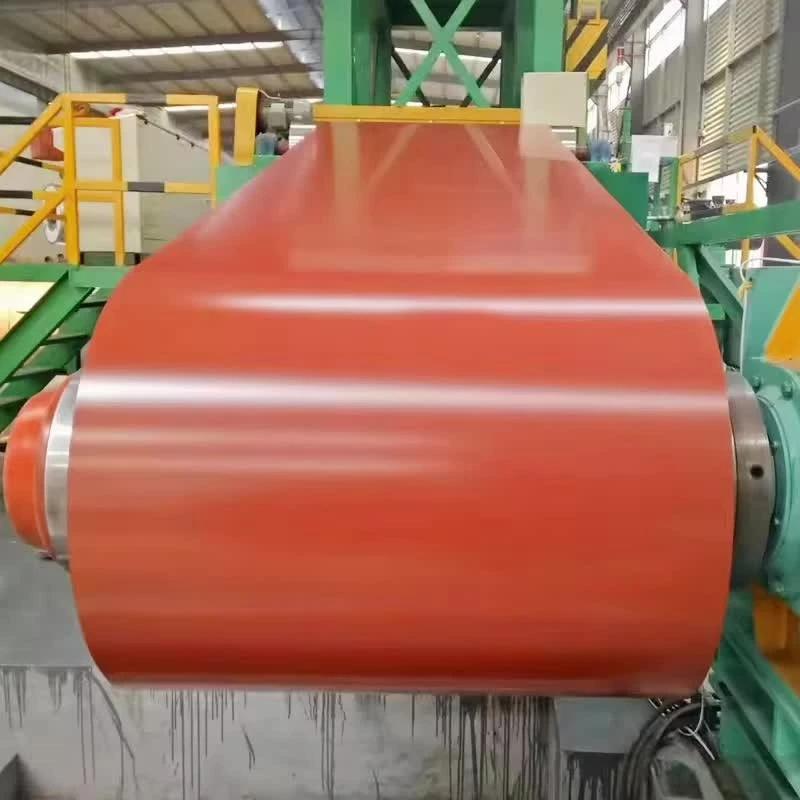
Industrial equipment such as ovens, furnaces, and boilers also benefit from the use of paint aluminum coil. The heat - resistant coating on the coil can prevent heat loss, improve energy efficiency, and extend the lifespan of the equipment. Our Paint Aluminum Coil is a popular choice for these industrial applications due to its reliable heat - resistance.
Testing Heat - Resistance
To ensure the quality and heat - resistance of our paint aluminum coil, we conduct a series of tests. One common test is the oven test, where samples of the coil are placed in an oven at a specified temperature for a certain period. The samples are then examined for any signs of discoloration, cracking, or delamination.
Another test is the thermal cycling test, which simulates the real - world conditions of repeated heating and cooling. This test helps us to evaluate the long - term performance of the coil under different temperature conditions. By conducting these tests, we can guarantee that our products meet the required heat - resistance standards.
Importance of Heat - Resistance in Product Selection
When customers are selecting paint aluminum coil, heat - resistance should be a key consideration. Choosing a coil with insufficient heat - resistance can lead to premature failure of the product, which can be costly in terms of replacement and downtime.
For example, if a heat shield in an automotive engine is made of a paint aluminum coil with poor heat - resistance, it may start to degrade quickly, leading to increased heat transfer to other parts of the engine and potentially causing engine damage. On the other hand, selecting a coil with appropriate heat - resistance can ensure the long - term performance and reliability of the product.
Conclusion
In conclusion, the heat - resistance of paint aluminum coil is a complex but crucial characteristic. It is influenced by factors such as the type of paint, coating thickness, substrate quality, and application conditions. The heat - resistance of the coil makes it suitable for a wide range of applications in industries such as construction, automotive, and industrial equipment.
As a supplier of Paint Aluminum Coil, we are committed to providing high - quality products with excellent heat - resistance. Our products are rigorously tested to meet the highest standards. If you are in the market for paint aluminum coil and have specific heat - resistance requirements, we would be more than happy to assist you. Please feel free to contact us for more information and to discuss your procurement needs.
References
- ASTM International. "Standard Test Methods for Evaluating the Heat - Resistance of Coatings."
- Aluminum Association. "Properties and Applications of Aluminum Alloys."
- Journal of Coatings Technology and Research. Various articles on paint coating performance under high - temperature conditions.