

Aluminum coil rolls are widely used in various industries due to their excellent properties, such as lightweight, corrosion resistance, and high malleability. One of the key factors that determine their suitability for different applications is their heat resistance. As a leading supplier of aluminum coil rolls, I am often asked about the heat resistance of these products. In this blog post, I will delve into the topic of the heat resistance of aluminum coil rolls, exploring the factors that affect it and the applications where it matters most.
Understanding the Basics of Aluminum's Heat Resistance
Aluminum is a metal with relatively good heat conductivity, which means it can transfer heat quickly. However, its heat resistance - the ability to withstand high temperatures without significant degradation of its properties - is also an important consideration. Pure aluminum has a melting point of approximately 660°C (1220°F). But in real - world applications, aluminum coil rolls are often alloyed with other elements to enhance their heat resistance and other properties.
Factors Affecting the Heat Resistance of Aluminum Coil Rolls
Alloy Composition
The alloy composition of an aluminum coil roll plays a crucial role in determining its heat resistance. Different alloys have different levels of heat - resistant capabilities. For example, the 3003 Aluminum Coil is a popular alloy that contains manganese as the primary alloying element. This alloy offers better strength and corrosion resistance compared to pure aluminum, and it can maintain its mechanical properties at moderately elevated temperatures. It is often used in applications where the temperature does not exceed 200 - 250°C (392 - 482°F).
On the other hand, some high - temperature aluminum alloys are specifically designed to withstand much higher temperatures. These alloys may contain elements such as copper, nickel, and chromium, which form stable intermetallic compounds that enhance the alloy's strength and heat resistance at elevated temperatures.
Coating
Coatings can also significantly improve the heat resistance of aluminum coil rolls. Coated Aluminum Roll products are often used in applications where additional protection against heat, corrosion, and wear is required. For instance, ceramic coatings can provide a high - temperature barrier, protecting the underlying aluminum from direct contact with high - temperature environments. These coatings can withstand temperatures well above what the uncoated aluminum can handle, sometimes up to 1000°C (1832°F) or more, depending on the type of coating.
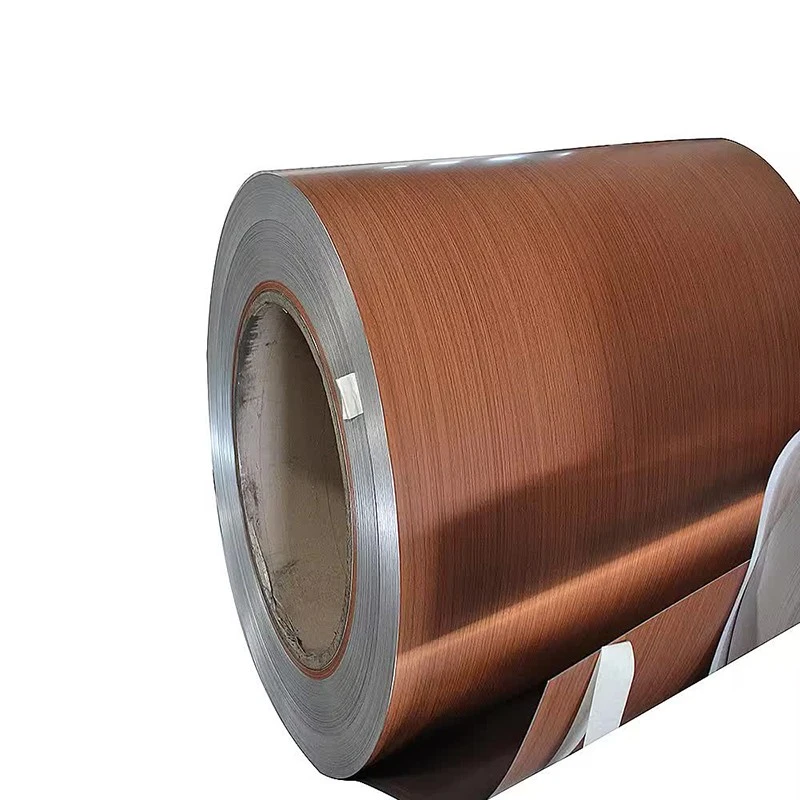
Pre Painted Aluminium is another type of coated aluminum product. While the primary purpose of the paint is often for aesthetic and corrosion - protection reasons, some specialized paints can also offer a certain degree of heat resistance. They can act as an insulating layer, reducing the rate of heat transfer to the aluminum substrate and helping to maintain the integrity of the coil roll at elevated temperatures.
Thickness
The thickness of the aluminum coil roll can also influence its heat resistance. Thicker coils generally have better heat - retaining properties and can withstand higher temperatures for longer periods without significant deformation. This is because a greater volume of aluminum can absorb and dissipate heat more effectively. However, thicker coils may also be heavier and more expensive, so the choice of thickness needs to be balanced based on the specific application requirements.
Applications Requiring High Heat Resistance
Automotive Industry
In the automotive industry, aluminum coil rolls are used in various components that are exposed to high temperatures. For example, engine components such as cylinder heads and radiators often use aluminum alloys with good heat resistance. The ability of these components to withstand the high temperatures generated by the engine is crucial for the overall performance and reliability of the vehicle. Additionally, exhaust systems may also use heat - resistant aluminum to reduce weight while maintaining durability in the face of the hot exhaust gases.

Aerospace Industry
The aerospace industry demands materials with exceptional heat resistance due to the extreme conditions encountered during flight. Aluminum coil rolls are used in aircraft engines, where they need to withstand the high temperatures generated by combustion. High - temperature aluminum alloys are carefully selected to ensure that the components can maintain their strength and integrity at temperatures that can reach several hundred degrees Celsius. Moreover, the lightweight nature of aluminum is a significant advantage in aerospace applications, as it helps to reduce the overall weight of the aircraft and improve fuel efficiency.
Construction Industry
In the construction industry, heat - resistant aluminum coil rolls are used in applications such as roofing and facades. In areas with high sunlight exposure or in buildings with industrial processes that generate heat, heat - resistant aluminum can prevent deformation and damage caused by thermal expansion. Coated aluminum rolls are particularly useful in these applications, as they can not only withstand the heat but also provide protection against weathering and corrosion.
Testing the Heat Resistance of Aluminum Coil Rolls
To ensure the quality and performance of aluminum coil rolls in high - temperature applications, various testing methods are employed. One common test is the thermal cycling test, where the coil is subjected to repeated cycles of heating and cooling. This test simulates the real - world conditions where the material may experience temperature fluctuations. During the test, the mechanical properties of the aluminum, such as its strength and hardness, are monitored to determine how well it can withstand the thermal stress.
Another test is the high - temperature tensile test, which measures the strength of the aluminum at elevated temperatures. This test helps to determine the maximum temperature at which the material can still maintain its required mechanical properties. By conducting these tests, manufacturers can accurately assess the heat resistance of their aluminum coil rolls and provide reliable products to their customers.
Conclusion
The heat resistance of aluminum coil rolls is a complex property that is influenced by factors such as alloy composition, coating, and thickness. Understanding these factors is essential for selecting the right aluminum coil roll for specific applications. Whether it's in the automotive, aerospace, or construction industry, having a clear understanding of the heat - resistant capabilities of aluminum can help ensure the safety, reliability, and performance of the final products.
If you are in the market for high - quality aluminum coil rolls with excellent heat resistance, we are here to help. Our team of experts can assist you in choosing the most suitable product based on your specific requirements. Contact us today to start a discussion about your procurement needs and explore how our aluminum coil rolls can meet your expectations.
References
- ASM Handbook, Volume 2: Properties and Selection: Nonferrous Alloys and Special - Purpose Materials.
- Aluminum Association Technical Publications.
- Journal of Materials Science and Engineering related to aluminum alloys and their properties.