

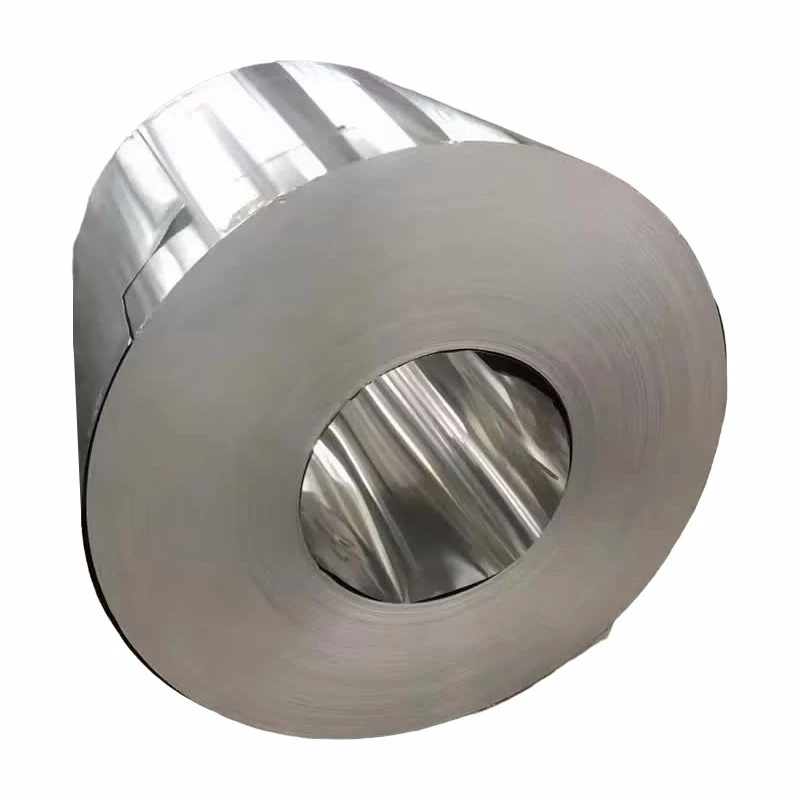
Flatness is a critical quality parameter for aluminum coil rolls, significantly influencing their performance in various applications. As a seasoned aluminum coil roll supplier, I understand the importance of flatness and its implications for our customers. In this blog post, I'll delve into what flatness requirements entail for aluminum coil rolls, why they matter, and how we ensure our products meet these standards.
Understanding Flatness in Aluminum Coil Rolls
Flatness refers to the degree to which the surface of an aluminum coil roll is free from irregularities such as waves, bows, or twists. A perfectly flat coil roll has a surface that lies entirely in a single plane without any deviations. However, achieving absolute flatness is practically impossible due to the manufacturing process and material properties. Therefore, flatness requirements are defined by specific tolerances that allow for a certain amount of deviation from the ideal flat surface.
These tolerances are typically specified in terms of length, width, and height variations across the coil roll. For example, a common flatness requirement might state that the maximum height variation over a given length and width should not exceed a certain number of millimeters. These requirements are set based on the intended application of the aluminum coil roll, as different industries have different needs for flatness.
Why Flatness Requirements Matter
The flatness of aluminum coil rolls is crucial for several reasons, especially in applications where precision and quality are paramount. Here are some key areas where flatness plays a significant role:
1. Manufacturing Processes
In manufacturing processes such as stamping, rolling, and forming, flat aluminum coil rolls are essential for ensuring consistent and accurate production. Irregularities in flatness can lead to misalignment during stamping, causing defects in the final product. For example, in the automotive industry, where aluminum is used for body panels, flatness is critical to ensure a proper fit and finish. Any deviation from the required flatness can result in gaps between panels, affecting the overall aesthetics and functionality of the vehicle.
2. Surface Finish
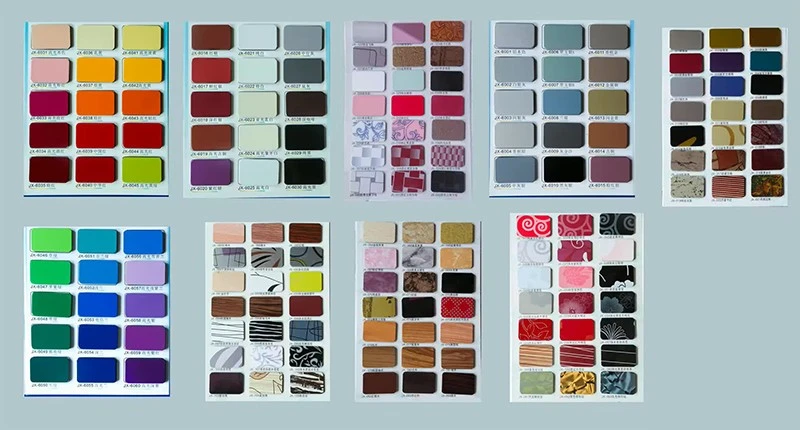
A flat surface is necessary for achieving a high-quality surface finish on aluminum coil rolls. When the coil is not flat, it can cause uneven coating or painting, leading to a poor appearance and reduced corrosion resistance. In applications such as Prepainted Aluminum Coil and Prefinished Aluminum Coils, where the surface finish is a key selling point, flatness is of utmost importance.
3. Assembly and Installation
During assembly and installation, flat aluminum coil rolls are easier to handle and work with. They can be more accurately cut, bent, and joined, reducing the risk of errors and ensuring a smooth installation process. For instance, in construction projects, flat aluminum sheets are used for roofing, siding, and cladding. If the coils are not flat, it can be challenging to install them correctly, leading to delays and additional costs.
Factors Affecting Flatness
Several factors can affect the flatness of aluminum coil rolls during the manufacturing process. Understanding these factors is crucial for controlling and improving flatness. Here are some of the main factors:
1. Rolling Process
The rolling process is one of the primary factors influencing flatness. During rolling, the aluminum is passed through a series of rollers to reduce its thickness and shape it into a coil. If the rollers are not properly aligned or have uneven pressure distribution, it can cause the coil to develop waves or bows. Additionally, the speed and temperature of the rolling process can also affect flatness.
2. Material Properties
The inherent properties of the aluminum alloy, such as its hardness, ductility, and thermal expansion coefficient, can impact flatness. Some alloys are more prone to warping or distortion during processing, especially if they are subjected to high temperatures or mechanical stress. For example, alloys with high copper content tend to have lower thermal stability, which can lead to flatness issues during heat treatment.
3. Coiling and Uncoiling
The coiling and uncoiling process can also introduce flatness problems. If the coil is wound too tightly or unevenly, it can cause internal stresses that result in waves or twists when the coil is uncoiled. Similarly, improper handling during uncoiling, such as pulling the coil at an angle, can also affect flatness.
Measuring Flatness
To ensure that aluminum coil rolls meet the required flatness standards, various measurement methods are used. These methods can be broadly classified into two categories: contact and non-contact measurement.
1. Contact Measurement
Contact measurement methods involve physically touching the surface of the coil roll with a measuring device. One common contact measurement tool is a straightedge, which is placed on the surface of the coil to check for deviations. Another method is using a dial indicator, which measures the height variation at different points on the surface. Contact measurement methods are relatively simple and cost-effective, but they can be time-consuming and may not provide a comprehensive assessment of flatness.
2. Non-Contact Measurement
Non-contact measurement methods use sensors or cameras to measure the surface profile of the coil roll without physically touching it. Laser scanners and optical profilometers are commonly used non-contact measurement tools. These methods can provide high-resolution and accurate measurements of flatness over a large area, making them suitable for quality control in high-volume production environments. However, they are typically more expensive and require specialized equipment and expertise.
Ensuring Flatness in Our Aluminum Coil Rolls
As a supplier of Aluminum Sheet Coil, we take several steps to ensure that our products meet the highest flatness standards. Here are some of the key measures we implement:
1. Advanced Manufacturing Technology
We invest in state-of-the-art rolling mills and processing equipment that are designed to produce aluminum coil rolls with excellent flatness. Our rolling mills are equipped with advanced control systems that can precisely adjust the roller alignment and pressure distribution, minimizing the risk of flatness defects. Additionally, we use advanced heat treatment processes to optimize the material properties and reduce internal stresses, further improving flatness.
2. Stringent Quality Control
We have a rigorous quality control system in place to monitor and inspect the flatness of our aluminum coil rolls at every stage of the manufacturing process. Our quality control team uses a combination of contact and non-contact measurement methods to ensure that the coils meet the specified flatness requirements. Any coils that do not meet the standards are rejected or reworked to ensure that only high-quality products are delivered to our customers.
3. Customized Solutions
We understand that different customers have different flatness requirements based on their specific applications. Therefore, we offer customized solutions to meet the unique needs of each customer. Our technical team works closely with customers to understand their requirements and develop tailored manufacturing processes to ensure that the aluminum coil rolls meet their exact specifications.
Conclusion
Flatness is a critical quality parameter for aluminum coil rolls, and it plays a crucial role in various applications. As a supplier, we are committed to providing high-quality aluminum coil rolls that meet the strictest flatness standards. By investing in advanced manufacturing technology, implementing stringent quality control measures, and offering customized solutions, we ensure that our products meet the diverse needs of our customers.
If you are in the market for high-quality aluminum coil rolls with excellent flatness, we would love to hear from you. Whether you need Prepainted Aluminum Coil, Prefinished Aluminum Coils, or Aluminum Sheet Coil, we have the expertise and resources to provide you with the best solutions. Contact us today to discuss your requirements and start a partnership that will drive your business forward.
References
- ASM Handbook, Volume 2: Properties and Selection: Nonferrous Alloys and Special-Purpose Materials. ASM International.
- Aluminum Association. Aluminum Design Manual.
- ISO 11343:2014 - Adhesives - Determination of dynamic resistance to cleavage of high - strength adhesive bonds under impact conditions.