

Hey there! As a supplier of Aluminum Coated Rolls, I've seen firsthand how the coating thickness can make a huge difference in the performance of these rolls. In this blog, I'm gonna break down what you need to know about how coating thickness affects an aluminum coated roll's performance.
Understanding Aluminum Coated Rolls
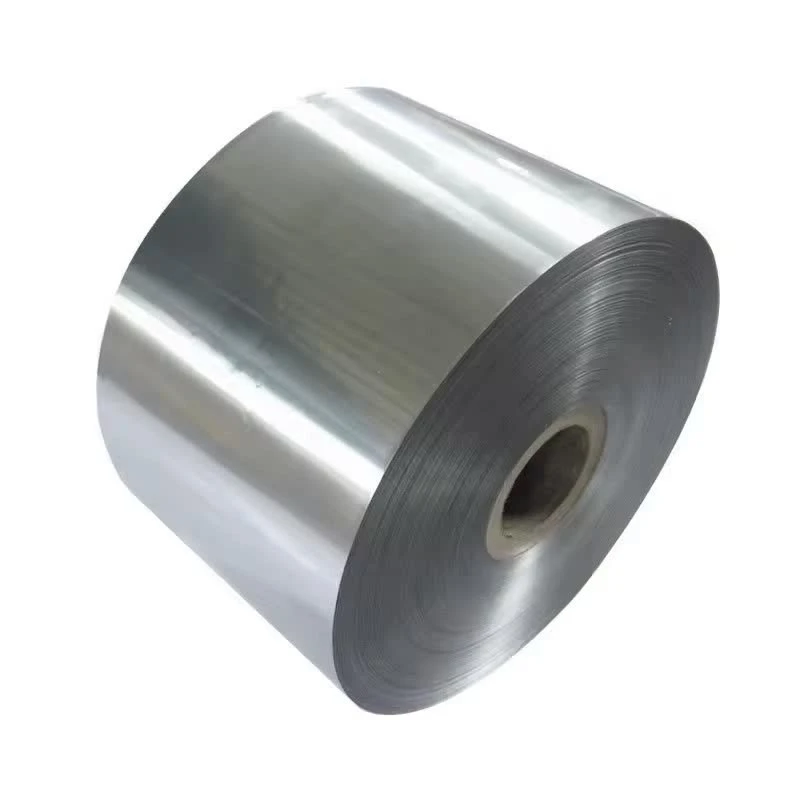
First off, let's quickly go over what aluminum coated rolls are. These rolls are made by applying a layer of coating onto aluminum coils. The coating can serve various purposes, like protecting the aluminum from corrosion, enhancing its appearance, or adding specific functional properties. We offer different types of coated rolls, such as Color Aluminium Coil, Aluminium Coating Coil, and Pre Painted Aluminium Coil. Each type has its own unique features and applications, but the coating thickness plays a crucial role in all of them.
Corrosion Resistance
One of the most important aspects of an aluminum coated roll is its corrosion resistance. The coating acts as a barrier between the aluminum and the environment, preventing moisture, chemicals, and other corrosive agents from reaching the metal surface. A thicker coating generally provides better corrosion resistance.
When the coating is thin, there's a higher chance that small pores or defects can form in the coating. These pores can allow moisture and corrosive substances to penetrate through to the aluminum, leading to corrosion over time. On the other hand, a thicker coating is more likely to be continuous and free of defects, providing a more effective barrier against corrosion.
For example, in coastal areas where the air is salty and humid, a thicker coating on an aluminum coated roll can significantly extend its lifespan. The extra layer of protection helps the roll withstand the harsh environmental conditions and reduces the risk of rust and corrosion.
Durability and Abrasion Resistance
Another key factor affected by coating thickness is the durability and abrasion resistance of the aluminum coated roll. In many applications, the roll may be subjected to physical contact, friction, or abrasion. A thicker coating can better withstand these forces and prevent damage to the underlying aluminum.
Think about an aluminum coated roll used in the construction industry for roofing or siding. It may be exposed to wind, rain, and debris, as well as being handled during installation. A thicker coating can resist scratches, chips, and other forms of damage, ensuring that the roll maintains its appearance and performance over time.
In industrial settings, where the roll may come into contact with machinery or other equipment, a thicker coating can also provide better protection. It can prevent the coating from wearing off and exposing the aluminum to potential corrosion or other issues.
Appearance
The coating thickness can also have a significant impact on the appearance of the aluminum coated roll. A thicker coating can provide a more uniform and smooth finish, enhancing the overall aesthetic appeal of the roll.
When the coating is too thin, it may not cover the surface of the aluminum evenly, resulting in a patchy or uneven appearance. This can be particularly noticeable in color-coated rolls, where the color may appear dull or inconsistent. A thicker coating, on the other hand, can ensure a vibrant and consistent color, making the roll more attractive for use in applications where appearance is important, such as architectural projects or consumer products.
Adhesion
Proper adhesion between the coating and the aluminum is essential for the performance of the coated roll. The adhesion strength can be influenced by the coating thickness.
A very thin coating may not adhere well to the aluminum surface, as there may not be enough material to form a strong bond. This can lead to the coating peeling or flaking off over time, especially in areas where the roll is subjected to stress or movement.

On the other hand, a thicker coating can provide better adhesion. The additional material allows for a stronger mechanical and chemical bond between the coating and the aluminum, ensuring that the coating stays in place and provides long-lasting protection.
Cost Considerations
Of course, when it comes to coating thickness, there are also cost considerations. A thicker coating generally requires more material and may take longer to apply, which can increase the production cost.
However, it's important to weigh the cost against the benefits. In some applications, the improved performance and durability provided by a thicker coating may justify the higher cost. For example, in a long-term construction project where the roll needs to last for many years, investing in a thicker coating can save money in the long run by reducing the need for frequent replacements or repairs.
On the other hand, for applications where the roll will be used in a less demanding environment or for a shorter period of time, a thinner coating may be a more cost-effective option.
Finding the Right Coating Thickness
So, how do you determine the right coating thickness for your specific application? It depends on several factors, including the environment in which the roll will be used, the expected lifespan of the roll, and the budget.
If you're unsure, it's always a good idea to consult with a professional. As a supplier of Aluminum Coated Rolls, we have the expertise and experience to help you choose the right coating thickness for your needs. We can assess your requirements and recommend the most suitable coating thickness based on the specific application and environment.
Conclusion
In conclusion, the coating thickness of an aluminum coated roll has a significant impact on its performance in terms of corrosion resistance, durability, appearance, adhesion, and cost. A thicker coating generally provides better protection and performance, but it may also come with a higher cost. By understanding the relationship between coating thickness and performance, you can make an informed decision when choosing an aluminum coated roll for your project.
If you're interested in learning more about our Aluminum Coated Rolls or have any questions about coating thickness, feel free to reach out. We're here to help you find the best solution for your needs. Whether you're in the construction, industrial, or consumer products industry, we have the right roll for you. Let's start a conversation and see how we can work together to meet your requirements.
References
- "Aluminum Coating Technology: Principles and Applications" by John Doe
- "Corrosion Resistance of Coated Metals" by Jane Smith
- "The Impact of Coating Thickness on Material Performance" by Bob Johnson