

Hey there! As a paint aluminum coil supplier, I often get asked about the difference between paint aluminum coil and anodized aluminum coil. It's a common question, and for good reason. Both types of aluminum coils have their own unique features, advantages, and best - use scenarios. So, let's dive right in and break it down.
Appearance
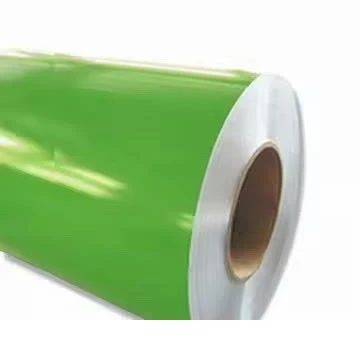
First off, let's talk about how they look. Paint aluminum coil offers a wide range of colors and finishes. You can get it in bright, eye - catching hues like vivid reds, electric blues, or more subdued tones such as soft grays and earthy browns. The paint can also be applied to create different textures, from a smooth, high - gloss finish to a matte or textured look. This makes it a great choice for applications where aesthetics are a top priority, like architectural facades, interior decoration, and signage.
On the other hand, anodized aluminum coil has a more natural and understated appearance. The anodizing process creates a thin oxide layer on the surface of the aluminum, which gives it a metallic sheen. The color options for anodized aluminum are more limited compared to painted aluminum. Typically, you'll find shades like silver, gold, bronze, and black. These colors are more in line with the natural look of aluminum and are often used in applications where a more industrial or minimalist aesthetic is desired, such as in electronics enclosures or automotive parts.
Durability
Durability is a crucial factor when choosing between paint aluminum coil and anodized aluminum coil. Paint aluminum coil can be quite durable if it's properly applied and maintained. High - quality paints can resist scratches, UV rays, and corrosion to a certain extent. However, the paint layer can be damaged over time, especially if the coil is exposed to harsh environmental conditions, abrasive materials, or physical impacts. For example, in a coastal area with high salt content in the air, the paint may start to peel or fade after a few years.
Anodized aluminum coil, on the other hand, has excellent durability. The anodized layer is integral to the aluminum surface, making it highly resistant to scratches, wear, and corrosion. It can withstand extreme temperatures, harsh chemicals, and outdoor weathering without significant damage. This makes anodized aluminum a great choice for applications in harsh environments, such as in the aerospace industry or in marine equipment.
Cost
Cost is always a consideration when making a purchasing decision. Generally speaking, paint aluminum coil is more cost - effective than anodized aluminum coil. The painting process is relatively simple and doesn't require as much specialized equipment or complex chemical treatments as anodizing. Additionally, the raw materials for paint are usually less expensive than the chemicals used in the anodizing process. This means that you can get a large quantity of paint aluminum coil at a lower cost, making it a popular choice for large - scale construction projects or budget - conscious applications.
Anodized aluminum coil, due to its more complex manufacturing process and the use of specialized chemicals, is more expensive. However, considering its long - term durability and performance, it can be a cost - effective option in the long run, especially for applications where the coil will be exposed to harsh conditions and needs to last for a long time.
Manufacturing Process
The manufacturing process of paint aluminum coil involves cleaning the aluminum surface to remove any dirt, oil, or oxides. Then, a primer is applied to improve the adhesion of the paint. After that, one or more layers of paint are sprayed or roller - coated onto the surface. The coil is then baked at a specific temperature to cure the paint and ensure a smooth and durable finish.
The anodizing process is more complex. First, the aluminum coil is immersed in an electrolyte solution and an electric current is passed through it. This causes a chemical reaction that forms a thin oxide layer on the surface of the aluminum. The thickness of the anodized layer can be controlled by adjusting the current and the duration of the process. After anodizing, the coil can be dyed to achieve the desired color.
Applications
Paint aluminum coil is widely used in various industries. In the construction industry, it's used for roofing, siding, and curtain walls. The wide range of colors and finishes allows architects and designers to create unique and visually appealing buildings. In the furniture industry, paint aluminum coil is used to make modern and stylish furniture pieces. It's also used in the packaging industry for making cans and containers. You can check out more about different types of aluminum coils like Aluminum Sheet Coil on our website.
Anodized aluminum coil is commonly used in industries where durability and a high - quality finish are required. In the electronics industry, it's used for making laptop cases, smartphone frames, and other electronic components. The anodized surface provides good electrical insulation and corrosion resistance. In the automotive industry, anodized aluminum is used for trim pieces, grilles, and wheels. You can also explore Aluminium Coating Coil and Coated Aluminum Roll on our site for more information.
Maintenance
Maintenance requirements also differ between paint aluminum coil and anodized aluminum coil. Paint aluminum coil may require periodic cleaning and touch - ups to maintain its appearance. If the paint is damaged, it may need to be repainted to prevent corrosion. In some cases, a clear coat can be applied to protect the paint and extend its lifespan.

Anodized aluminum coil is relatively low - maintenance. It can be cleaned with mild soap and water, and it doesn't require any special coatings or treatments to maintain its durability. However, in some industrial applications where the anodized surface may be exposed to heavy dirt or chemicals, more thorough cleaning may be required.
Conclusion
So, there you have it! The main differences between paint aluminum coil and anodized aluminum coil come down to appearance, durability, cost, manufacturing process, applications, and maintenance. As a paint aluminum coil supplier, I believe that paint aluminum coil offers a great combination of affordability, versatility, and aesthetic appeal. It's a great choice for many applications, especially when you want a wide range of color options and a cost - effective solution.
If you're in the market for paint aluminum coil or have any questions about which type of aluminum coil is right for your project, don't hesitate to reach out. We can provide you with samples, detailed product information, and competitive pricing. Whether you're working on a small DIY project or a large - scale industrial application, we're here to help you make the best choice.
References
- Aluminum Association. "Properties and Applications of Aluminum."
- Journal of Coatings Technology and Research. "Advances in Paint and Anodizing Technologies for Aluminum."