

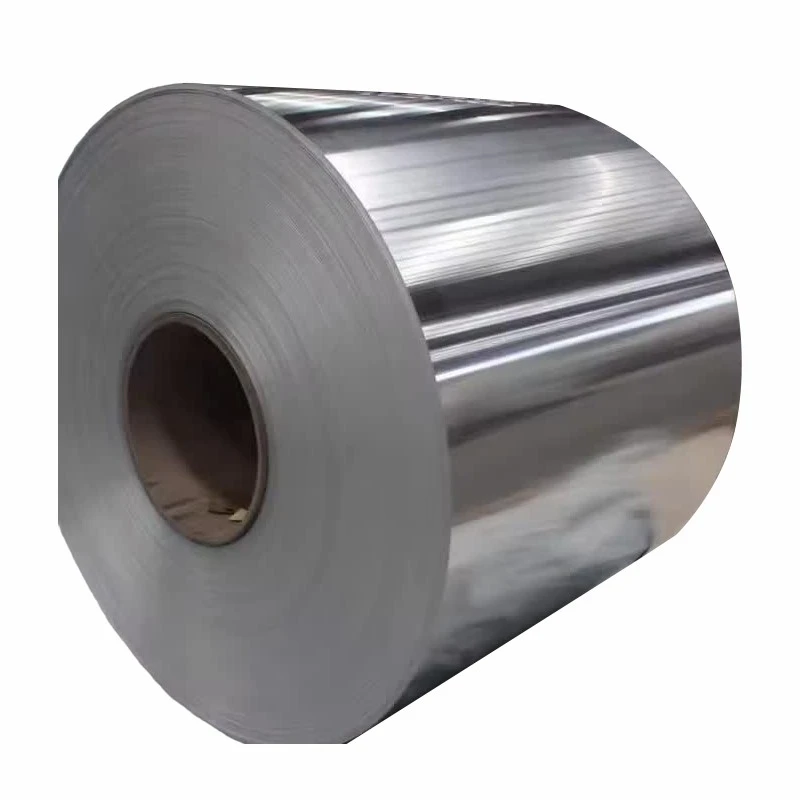
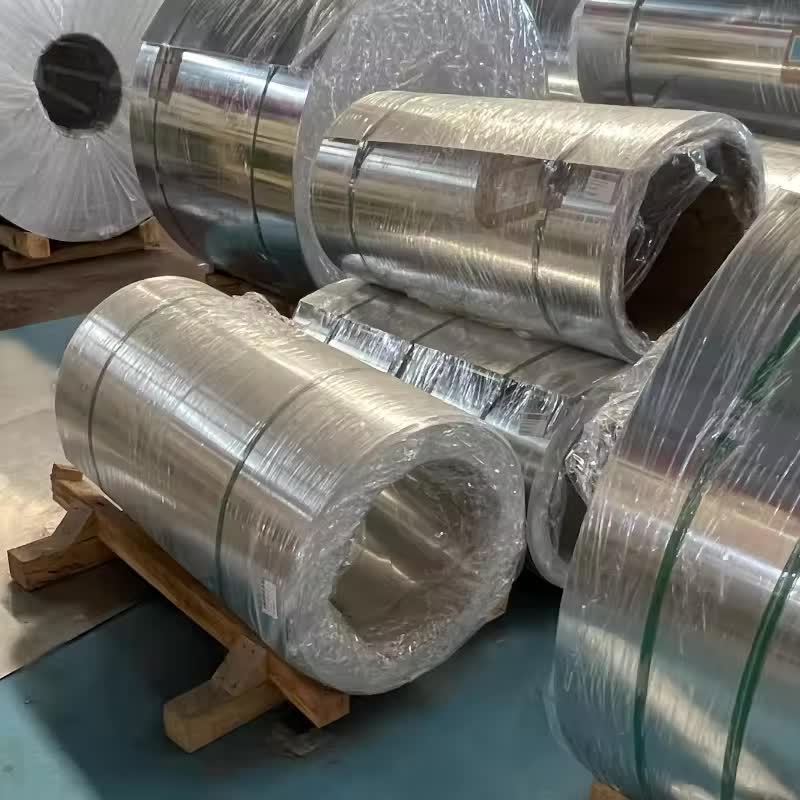
Hey there! As a supplier of Coating Aluminum Coil, I often get asked about the cost of coating an aluminum coil. It's a question that doesn't have a one - size - fits - all answer, as there are several factors that come into play. In this blog, I'll break down these factors and give you a better understanding of what goes into the cost.
1. Material Quality of the Aluminum Coil
First off, the base aluminum coil itself matters a lot. Aluminum comes in different grades, each with its own set of properties. Higher - grade aluminum coils are purer and have better mechanical properties. They're more resistant to corrosion and can withstand harsh environmental conditions. For example, if you're using the coated aluminum coil for outdoor applications like building facades or roofing, you'll probably want a high - grade base coil.
These high - grade coils cost more than lower - grade ones. The price difference can be significant, sometimes up to 20 - 30% more. So, when you're calculating the cost of coating, you need to factor in the initial cost of the base aluminum coil. If you choose a cheaper base coil, you might save money upfront, but it could lead to issues like premature corrosion, which might end up costing you more in the long run.
2. Coating Type
There are various types of coatings available for aluminum coils, and each has its own price tag.
Polyester Coatings
Polyester coatings are the most common and affordable option. They offer good protection against UV rays and general wear and tear. They're suitable for indoor applications or less demanding outdoor environments. The cost of applying a polyester coating is relatively low compared to other types. You can expect to pay around $0.5 - $1 per square meter for a basic polyester coating.
Fluorocarbon Coatings
On the other hand, fluorocarbon coatings are much more expensive. These coatings are known for their excellent durability, weather resistance, and color retention. They can last for decades without fading or peeling, even in the harshest outdoor conditions. Fluorocarbon coatings are often used in high - end architectural projects. The cost of applying a fluorocarbon coating can range from $2 - $5 per square meter.
Epoxy Coatings
Epoxy coatings are another option. They provide good chemical resistance and are often used in industrial applications. The cost of epoxy coatings is somewhere in between polyester and fluorocarbon coatings, usually around $1 - $3 per square meter.
3. Coating Thickness
The thickness of the coating also affects the cost. A thicker coating generally provides better protection but costs more to apply. The coating thickness is usually measured in microns. For a standard polyester coating, a thickness of 20 - 25 microns might be sufficient for most indoor applications. However, for outdoor use, you might want a coating thickness of 30 - 40 microns.
For every additional 5 - 10 microns of coating thickness, you can expect the cost to increase by about 10 - 20%. So, if you're going for a thicker fluorocarbon coating for a long - lasting outdoor installation, it's going to add a significant amount to the overall cost.
4. Coating Process
The process used to apply the coating can also impact the cost.
Roll Coating
Roll coating is the most common method for coating aluminum coils. It's a continuous process where the coil passes through a series of rollers that apply the coating evenly. Roll coating is relatively fast and cost - effective, especially for large - scale production. The cost of roll coating is mainly determined by the type and amount of coating used, as well as the labor and energy costs associated with running the machinery.
Spray Coating
Spray coating, on the other hand, is more labor - intensive and can be more expensive. It allows for more precise application and is often used for custom - shaped or small - batch projects. However, it requires more equipment and skilled labor, which drives up the cost. Spray coating can cost anywhere from 20 - 50% more than roll coating, depending on the complexity of the project.
5. Coil Size and Quantity
The size of the aluminum coil and the quantity you're ordering also play a role in the cost. Larger coils generally have a lower cost per square meter because the setup and processing costs are spread over a larger area. For example, if you're ordering a small coil of 10 square meters, the cost per square meter might be higher compared to ordering a large coil of 100 square meters.
Similarly, ordering in bulk can save you money. Most coating suppliers offer volume discounts. If you're a contractor or a large - scale user, ordering a large quantity of coated aluminum coils at once can result in significant savings. You might be able to get a discount of 10 - 20% or more, depending on the supplier and the quantity ordered.
6. Surface Preparation
Before applying the coating, the aluminum coil needs to be properly prepared. This involves cleaning the surface to remove any dirt, oil, or oxidation. Surface preparation is crucial for ensuring good adhesion of the coating.
The cost of surface preparation can vary depending on the condition of the base coil. If the coil has a lot of contaminants or oxidation, more intensive cleaning methods might be required, which can increase the cost. On average, surface preparation can add about $0.1 - $0.3 per square meter to the total cost.
7. Market Conditions
The cost of coating an aluminum coil is also influenced by market conditions. The prices of raw materials like aluminum and coating chemicals can fluctuate due to factors such as supply and demand, global economic conditions, and geopolitical events.
For example, if there's a shortage of a particular coating chemical, its price will go up, and this will be reflected in the cost of coating the aluminum coil. Similarly, if the price of aluminum increases in the global market, the cost of the base coil will rise, which in turn affects the overall cost of the coated product.
Conclusion
As you can see, the cost of coating an aluminum coil is determined by a variety of factors. From the quality of the base coil to the type of coating, thickness, process, size, quantity, surface preparation, and market conditions, each element plays a role in the final price.
If you're in the market for Pre Painted Aluminium Coil, Prepainted Aluminum Coil, or Painted Aluminum Coil, it's important to consider all these factors to get the best value for your money.
If you have any questions or are interested in purchasing our coated aluminum coils, feel free to reach out. We're here to help you find the right solution for your specific needs. Whether you're working on a small DIY project or a large - scale commercial construction, we can provide you with high - quality coated aluminum coils at competitive prices.
References
- Aluminum Association. "Aluminum Grades and Their Applications."
- Coating Manufacturers Association. "Guide to Coating Types and Costs."
- Industry reports on the aluminum and coating markets.