

As a seasoned supplier of Aluminum Coated Rolls, I've witnessed firsthand the growing demand for this versatile product across various industries. One of the most frequently asked questions I encounter is about the corrosion resistance of aluminum coated rolls. In this blog post, I'll delve into the factors that contribute to the corrosion resistance of these rolls, their performance in different environments, and how they compare to other materials.
Understanding Corrosion and Its Impact
Corrosion is a natural process that occurs when metals react with their environment, leading to the deterioration of their physical and chemical properties. For many industries, corrosion can cause significant problems, including structural failure, reduced efficiency, and increased maintenance costs. Therefore, selecting materials with high corrosion resistance is crucial for ensuring the longevity and reliability of products.
Aluminum coated rolls are designed to provide excellent corrosion resistance, making them an ideal choice for applications where exposure to harsh environments is expected. The coating acts as a barrier between the aluminum substrate and the surrounding atmosphere, preventing or slowing down the corrosion process.
Factors Affecting the Corrosion Resistance of Aluminum Coated Rolls
1. Coating Composition
The composition of the coating is one of the most important factors influencing the corrosion resistance of aluminum coated rolls. Different types of coatings offer varying levels of protection, depending on their chemical makeup. For example, epoxy coatings are known for their excellent adhesion and chemical resistance, while polyurethane coatings provide superior weatherability and UV resistance.
At our company, we offer a range of coating options to meet the specific needs of our customers. Our coatings are formulated using high-quality materials and advanced manufacturing processes to ensure maximum corrosion protection.
2. Coating Thickness
The thickness of the coating also plays a crucial role in determining the corrosion resistance of aluminum coated rolls. A thicker coating provides a greater barrier against corrosion, as it takes longer for corrosive agents to penetrate through the coating and reach the aluminum substrate.
However, it's important to note that there is a balance between coating thickness and other factors, such as flexibility and cost. Our technical team works closely with customers to determine the optimal coating thickness based on the intended application and environmental conditions.
3. Surface Preparation
Proper surface preparation is essential for achieving good adhesion between the coating and the aluminum substrate. Before applying the coating, the surface of the aluminum roll must be thoroughly cleaned and treated to remove any contaminants, such as oil, grease, and oxide layers.
We use state-of-the-art surface preparation techniques to ensure that the aluminum rolls are properly prepared for coating. This includes mechanical cleaning, chemical treatment, and pre-treatment processes to enhance the adhesion and corrosion resistance of the coating.
4. Environmental Conditions
The corrosion resistance of aluminum coated rolls can also be affected by the environmental conditions in which they are used. Factors such as humidity, temperature, pH level, and the presence of corrosive substances can all influence the rate of corrosion.
For example, in coastal areas where the air contains high levels of salt, aluminum coated rolls may be more susceptible to corrosion. In such cases, we recommend using coatings with enhanced corrosion resistance, such as those containing zinc or other sacrificial metals.
Performance of Aluminum Coated Rolls in Different Environments
1. Indoor Environments
In indoor environments, aluminum coated rolls typically exhibit excellent corrosion resistance. The controlled temperature and humidity levels, along with the absence of harsh chemicals and pollutants, create a relatively benign environment for the rolls.
Our aluminum coated rolls are commonly used in indoor applications such as building interiors, furniture manufacturing, and electrical enclosures. In these applications, the rolls provide long-lasting protection against corrosion, ensuring the durability and aesthetic appeal of the finished products.
2. Outdoor Environments
Outdoor environments present more challenging conditions for aluminum coated rolls. Exposure to sunlight, rain, wind, and pollutants can accelerate the corrosion process. However, with the right coating and proper installation, aluminum coated rolls can still provide reliable corrosion protection in outdoor applications.
Our coatings are designed to withstand the rigors of outdoor environments, including UV radiation, moisture, and temperature fluctuations. They are also resistant to common pollutants such as sulfur dioxide and nitrogen oxides, which are often found in urban and industrial areas.
3. Chemical and Industrial Environments
In chemical and industrial environments, aluminum coated rolls may be exposed to a variety of corrosive substances, such as acids, alkalis, and solvents. In these applications, it's essential to choose a coating that is specifically formulated to resist the chemicals present in the environment.
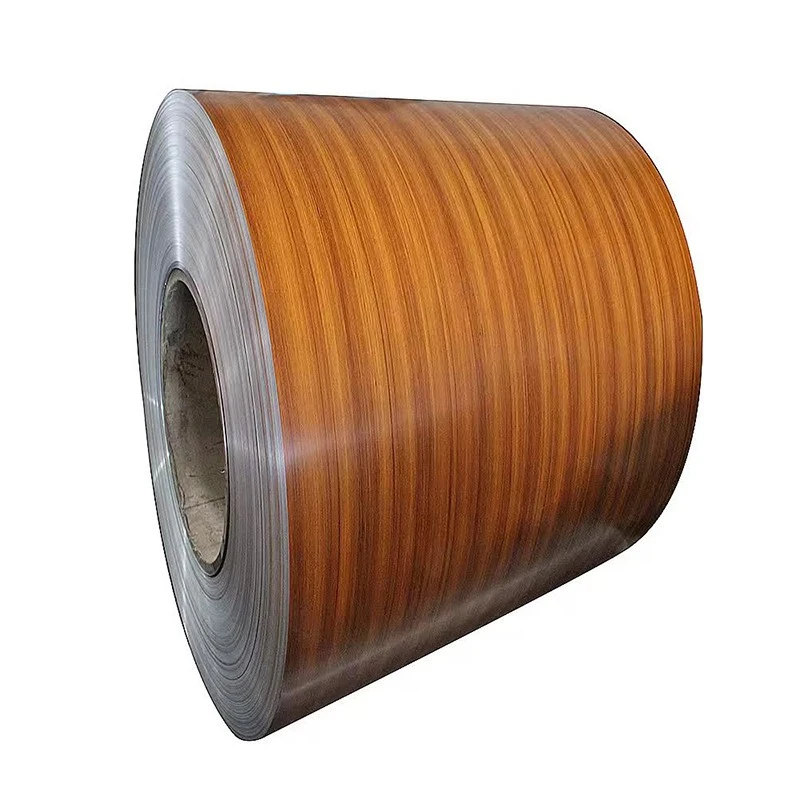

We offer specialized coatings for chemical and industrial applications, which provide excellent resistance to a wide range of corrosive substances. These coatings are tested and certified to meet the highest industry standards for corrosion resistance.
Comparison with Other Materials
When it comes to corrosion resistance, aluminum coated rolls have several advantages over other materials. Compared to uncoated aluminum, the coating provides an additional layer of protection, significantly extending the lifespan of the material.
In comparison to steel, aluminum coated rolls are lighter in weight and more resistant to corrosion. Steel is prone to rusting, especially in humid or coastal environments, while aluminum coated rolls maintain their integrity and appearance over time.
Applications of Aluminum Coated Rolls
The excellent corrosion resistance of aluminum coated rolls makes them suitable for a wide range of applications. Some of the common applications include:
- Building and Construction: Aluminum coated rolls are used in roofing, siding, gutters, and window frames. They provide long-lasting protection against the elements, while also enhancing the aesthetic appeal of buildings.
- Automotive Industry: In the automotive industry, aluminum coated rolls are used for body panels, trim, and engine components. The corrosion resistance of the rolls helps to improve the durability and reliability of vehicles.
- Appliance Manufacturing: Aluminum coated rolls are used in the manufacturing of appliances such as refrigerators, ovens, and washing machines. The corrosion resistance of the rolls ensures that the appliances maintain their appearance and functionality over time.
- Packaging Industry: Aluminum coated rolls are used for food and beverage packaging. The corrosion resistance of the rolls helps to protect the contents from contamination and spoilage.
Conclusion
In conclusion, the corrosion resistance of aluminum coated rolls is a result of several factors, including coating composition, thickness, surface preparation, and environmental conditions. By choosing the right coating and ensuring proper installation, aluminum coated rolls can provide excellent corrosion protection in a wide range of applications.
As a supplier of Aluminum Coated Rolls, we are committed to providing our customers with high-quality products and exceptional service. If you're interested in learning more about our Aluminum Coated Rolls or have specific requirements for your project, please don't hesitate to contact us. We'll be happy to discuss your needs and provide you with a customized solution.
If you want to explore more about our related products, you can visit the following links: Aluminum Paint Coil, Aluminium Paint Coil, Aluminum Paint Roll.
References
- Jones, D. A. (1992). Principles and Prevention of Corrosion. Prentice Hall.
- Uhlig, H. H., & Revie, R. W. (1985). Corrosion and Corrosion Control: An Introduction to Corrosion Science and Engineering. Wiley.
- Fontana, M. G. (1986). Corrosion Engineering. McGraw-Hill.